Quick Answer: Caring for a Persian cat involves daily grooming, a balanced high-quality diet, regular vet checkups, and a calm indoor environment to keep them healthy, comfortable, and happy.
Persian cats are known for their luxurious coats, calm temperament, and affectionate nature. But behind their royal looks lies a breed that needs consistent care and attention. If you’re wondering how to take care of a Persian cat, this complete guide covers grooming, health, nutrition, and daily care in a simple, practical way.
Understanding Persian Cat Features
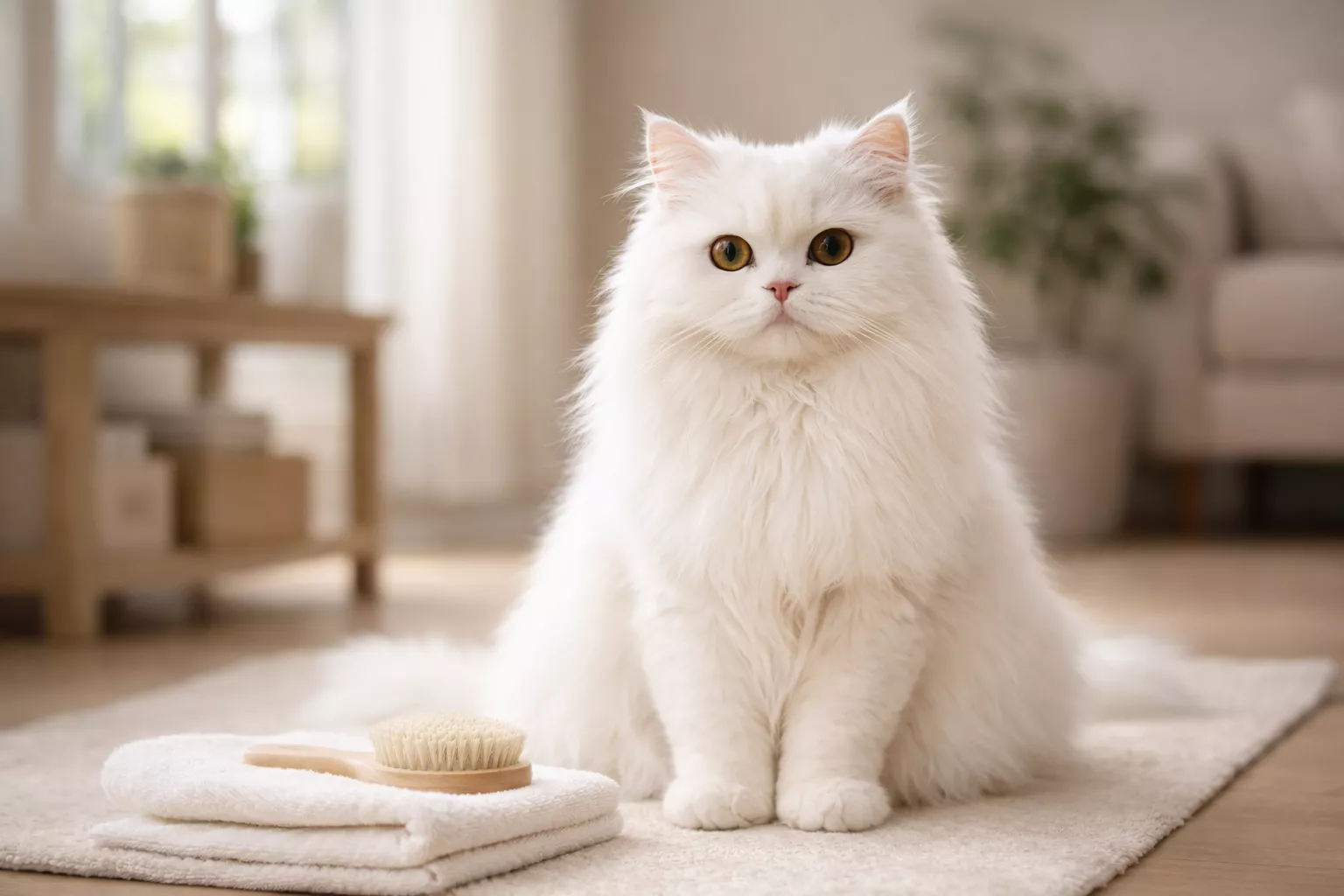
Persians are easily recognized by their:
- Flat, brachycephalic face
- Long, thick double coat
- Large round eyes
- Stocky, medium-sized body
These Persian cat features make them loving indoor companions, and regular care, including pet grooming in Abu Dhabi, helps keep their coat and skin healthy.
Grooming a Persian Cat the Right Way
Persians may be high-maintenance, but a well-planned cat grooming in Abu Dhabi, keeps them looking their best.
Daily & Weekly Grooming
- Brush once daily with a wide-tooth comb
- Focus on mat-prone areas (neck, behind ears, underarms)
- Wipe eyes daily to prevent tear stains
Bathing & Coat Care
Use a Persian cat shampoo that is:
- Cat-specific
- pH-balanced
- Free from harsh fragrances
Bathe every 2 to 3 weeks or as advised by your vet.
Persian Cat Health & Lifespan
On average, 12 to 15 years, and sometimes longer, with proper care.
Common Health Issues
- Polycystic Kidney Disease (PKD)
- Brachycephalic breathing problems
- Eye infections and tear overflow
- Dental crowding
Expert Tip: Always choose a breeder who provides genetic screening reports and schedules yearly vet checkups.
Best Cat Food for Persian Cats
Persians need high-quality nutrition to support their coat and digestion.
What to Feed
- High-protein, low-carb diet
- Breed-specific kibble for flat-faced cats
- Wet food to support hydration
Vet-recommended options are often considered the best cat food for Persian cats because they support coat health and digestion.
Feeding Tips
- Feed 2 small meals daily
- Avoid free feeding
- Always provide fresh water
Behavior, Training & Daily Care
Persians are calm, quiet, and affectionate. They prefer peaceful homes and predictable routines.
Daily Care Checklist
- Short play session (10 to 15 minutes)
- Clean eyes and face
- Brush coat
- Provide a quiet resting area
They respond best to gentle training and positive reinforcement.
Conclusion
Caring for a Persian cat is about consistency, patience, and love. With regular grooming, balanced nutrition, preventive healthcare, and a calm environment, your Persian will thrive for years. Understanding the causes of Pet Skin Rashes can also help you prevent discomfort, and if you follow this advice on how to take care of a Persian cat, you’ll build a healthy, happy bond with one of the most elegant cat breeds in the world.
Expert Persian Cat Care in Abu Dhabi
For high-quality Persian cat care, Crazy Pets in Abu Dhabi offers expert-approved products and guidance:
- Veterinarian-recommended shampoos, grooming tools, and food
- Safe & authentic breed-specific supplies
- Expert advice tailored to your cat’s age, health, and needs
- Convenient access with in-store and online options
Frequently Asked Questions
Q1: How often should I groom a Persian cat?
A: Brush your Persian daily and bathe every 2 to 3 weeks to prevent mats and keep its coat healthy.
Q2: What is the best diet for Persian cats?
A: Feed high-protein, low-carb, breed-specific cat food with occasional wet food for hydration and coat health.
Q3: How long do Persian cats typically live?
A: With proper care, Persian cats usually live 12 to 15 years, and some can reach up to 18 years.