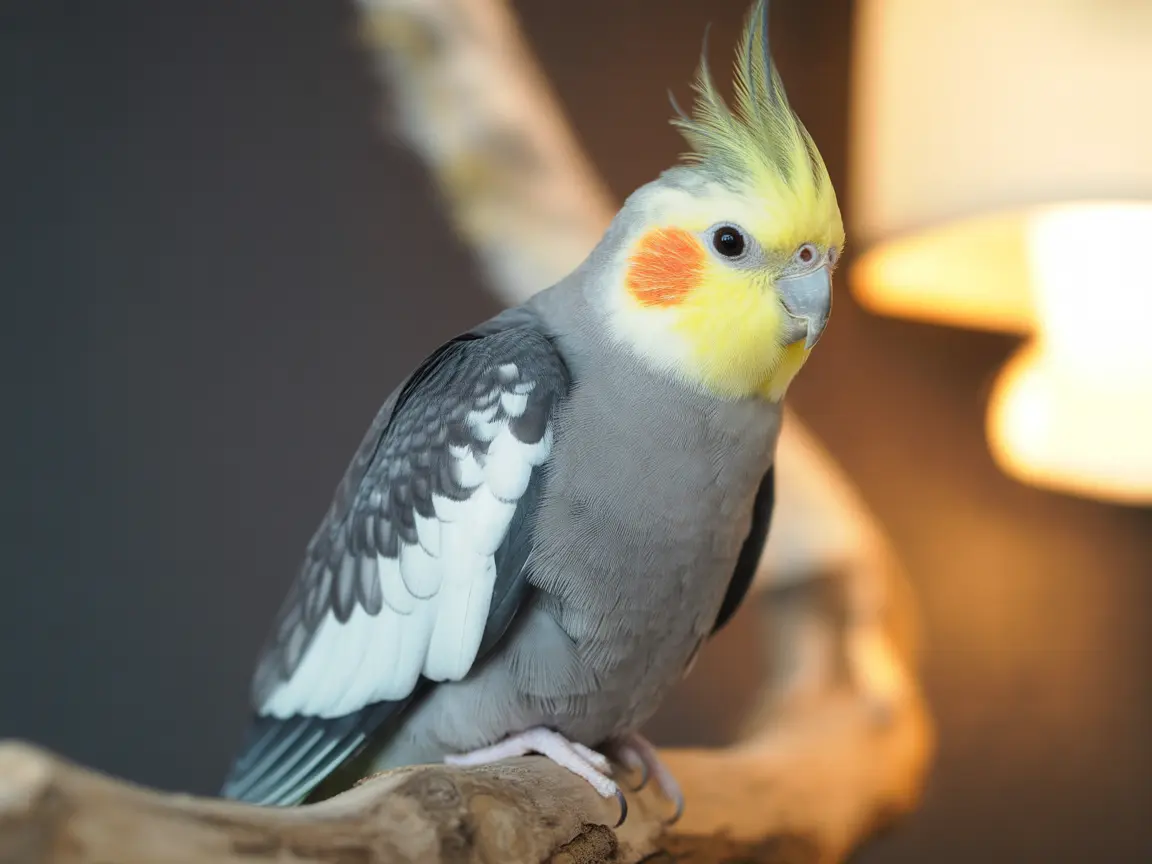
When it comes to caring for your feathered friend, wing trimming often sparks debate among bird owners and professionals. While it can make handling easier and prevent escape, it also raises important questions about the impact on your bird’s physical health and emotional well-being.
Let’s uncover the five hidden ways wing trimming can affect your bird’s physical health, overall happiness, and how responsible pet care in Abu Dhabi can help keep your bird healthy and safe. For expert guidance, consulting a professional for Pet Grooming in Abu Dhabi is always recommended.
1. Loss of Balance and Coordination
- Birds rely on their wings not just for flight, but also for balance.
- When trimmed improperly, their ability to move confidently on perches or during playtime diminishes.
- This imbalance can lead to falls, sprains, or even fractures over time.
If your bird starts hesitating to climb or jump, it may be struggling with reduced wing control, a reminder that natural movement is key to good health.
2. Reduced Muscle Strength
- Flying is a natural exercise for birds, keeping their chest and wing muscles strong.
- Wing trimming drastically limits their movement, which can result in muscle atrophy and decreased stamina.
- Much like how dogs benefit from regular walks, birds also need their daily flight sessions.
Bird parents who care deeply for their birds know that maintaining muscle health is vital for long-term wellness, which is why professional bird grooming in Abu Dhabi is an essential part of their care routine.
3. Increased Stress and Behavioral Issues
- Flight isn’t just physical; it’s emotional.
- When a bird loses its ability to fly, it can experience stress, frustration, and anxiety.
- Some birds may even develop aggressive or fearful behaviors because they feel vulnerable and powerless.
To help your pet adjust safely, always combine grooming or trimming sessions with gentle reassurance and trust-building activities. A calm, happy bird will always be a healthier bird.
4. Higher Risk of Injury
- Ironically, trimming wings doesn’t always make birds safer.
- A partially flighted bird may still try to fly but fail to gain enough lift, leading to hard landings and collisions.
5. Decreased Confidence and Freedom
- For birds, flying is freedom. When that’s taken away, their confidence and curiosity can fade.
- Over time, you might notice a decline in their activity, vocalization, or playfulness.
That’s why experts emphasize personalized care; every animal, whether furry or feathered, deserves an approach tailored to their comfort and instincts.
Finding the Right Balance
Wing trimming isn’t inherently cruel, but it must be done with awareness, skill, and compassion. Consulting an avian vet or experienced groomer ensures that any trimming prioritizes safety without sacrificing natural behavior.
Every pet deserves holistic care from grooming to nutrition and beyond.
Final Thoughts
Wing trimming affects far more than just a bird’s ability to fly. It touches every part of their physical and emotional health balance, muscle tone, and even trust. Always choose services that put your pet’s comfort and safety first.
Because when care is guided by love and understanding, every grooming experience, wings, fur, or feathers becomes an act of kindness. To deepen your knowledge about bird behavior and bonding, explore Can Birds Be Trained for helpful insights on nurturing trust and positive habits.