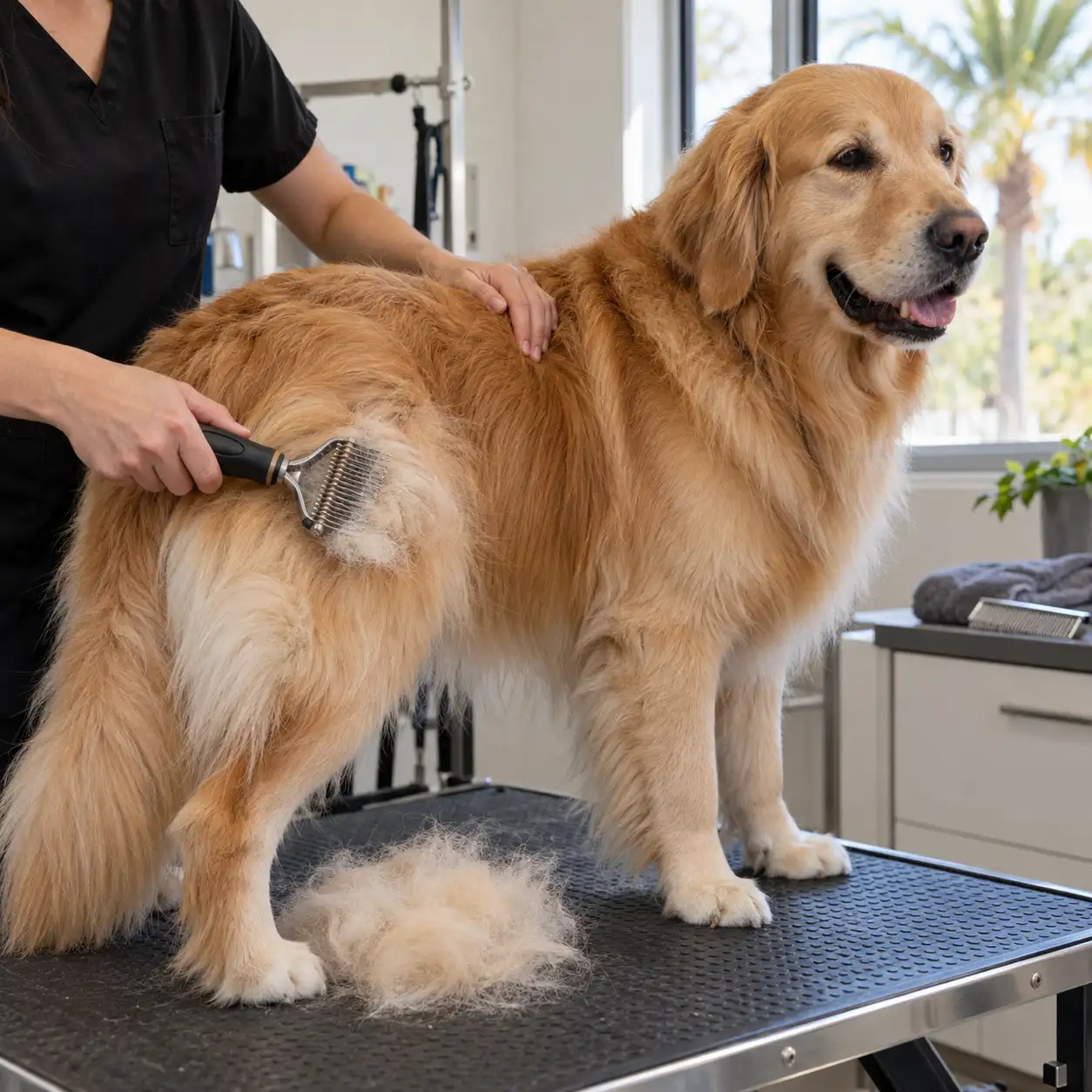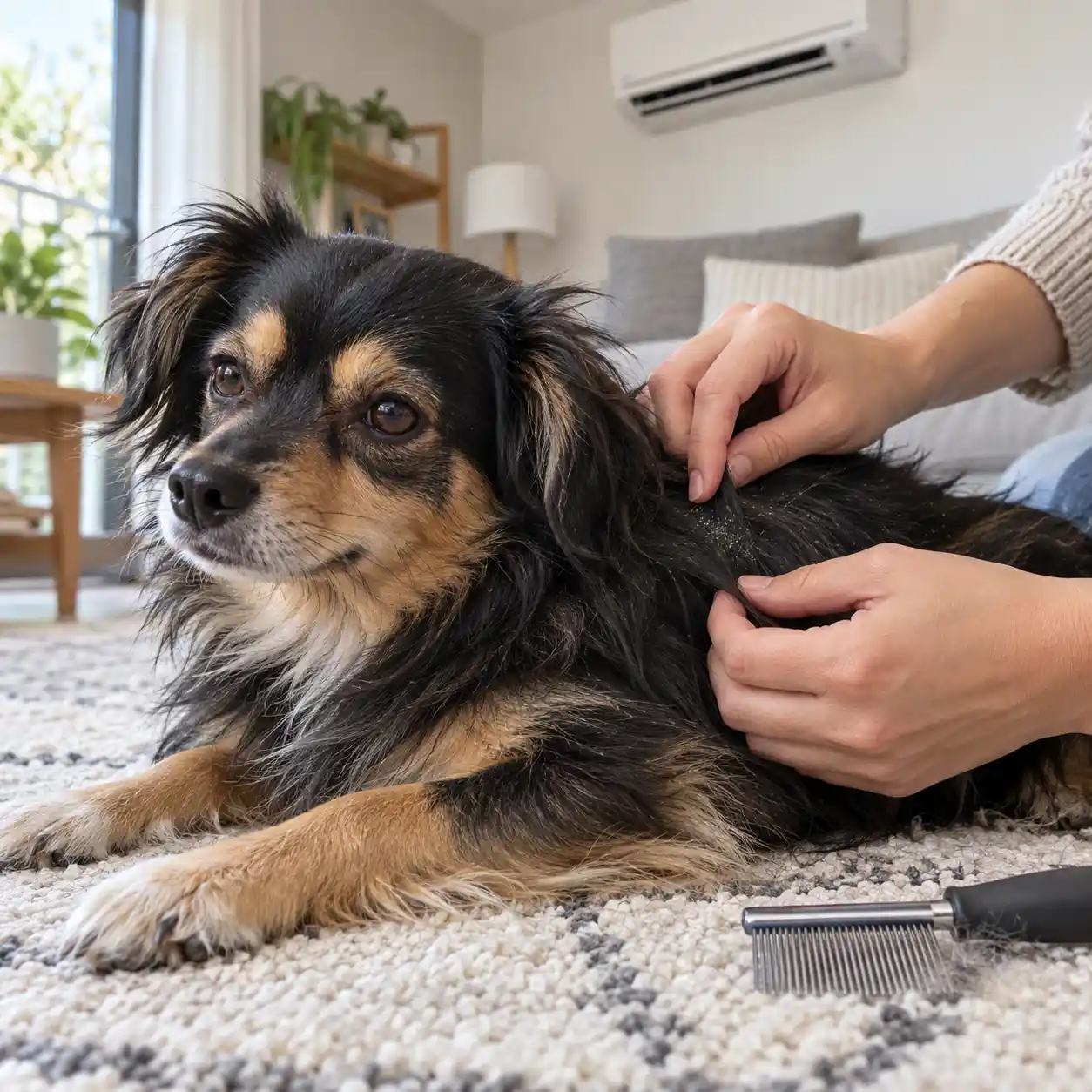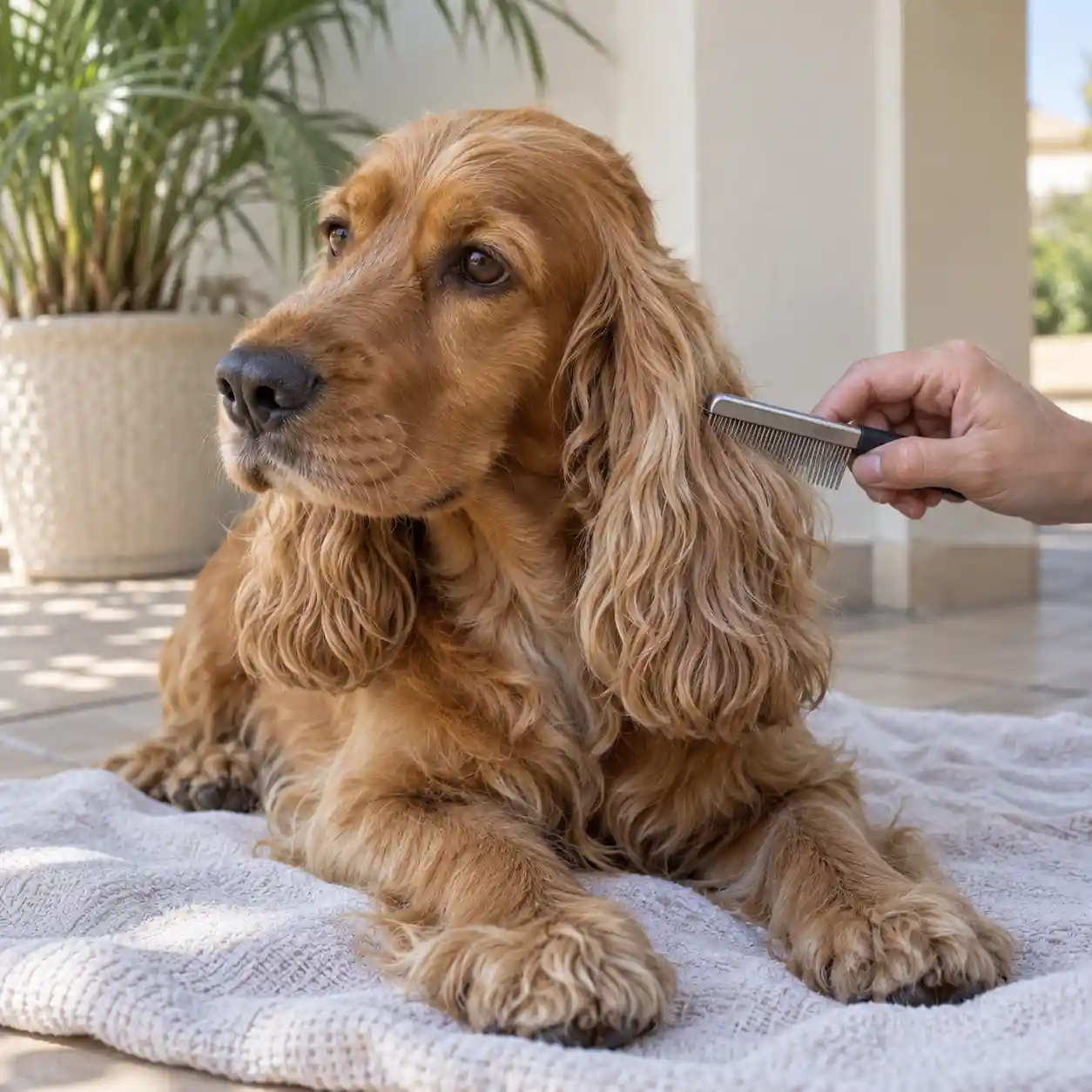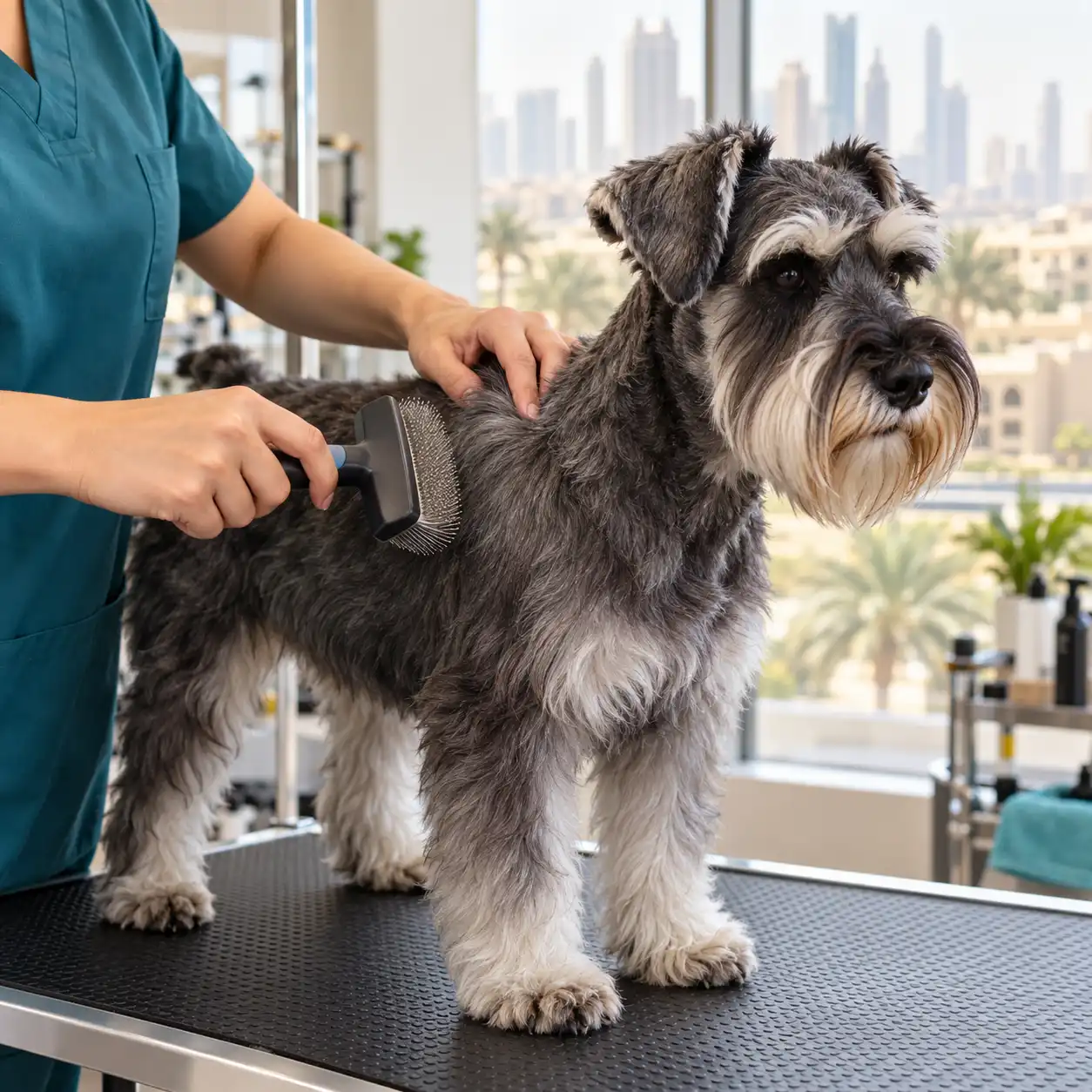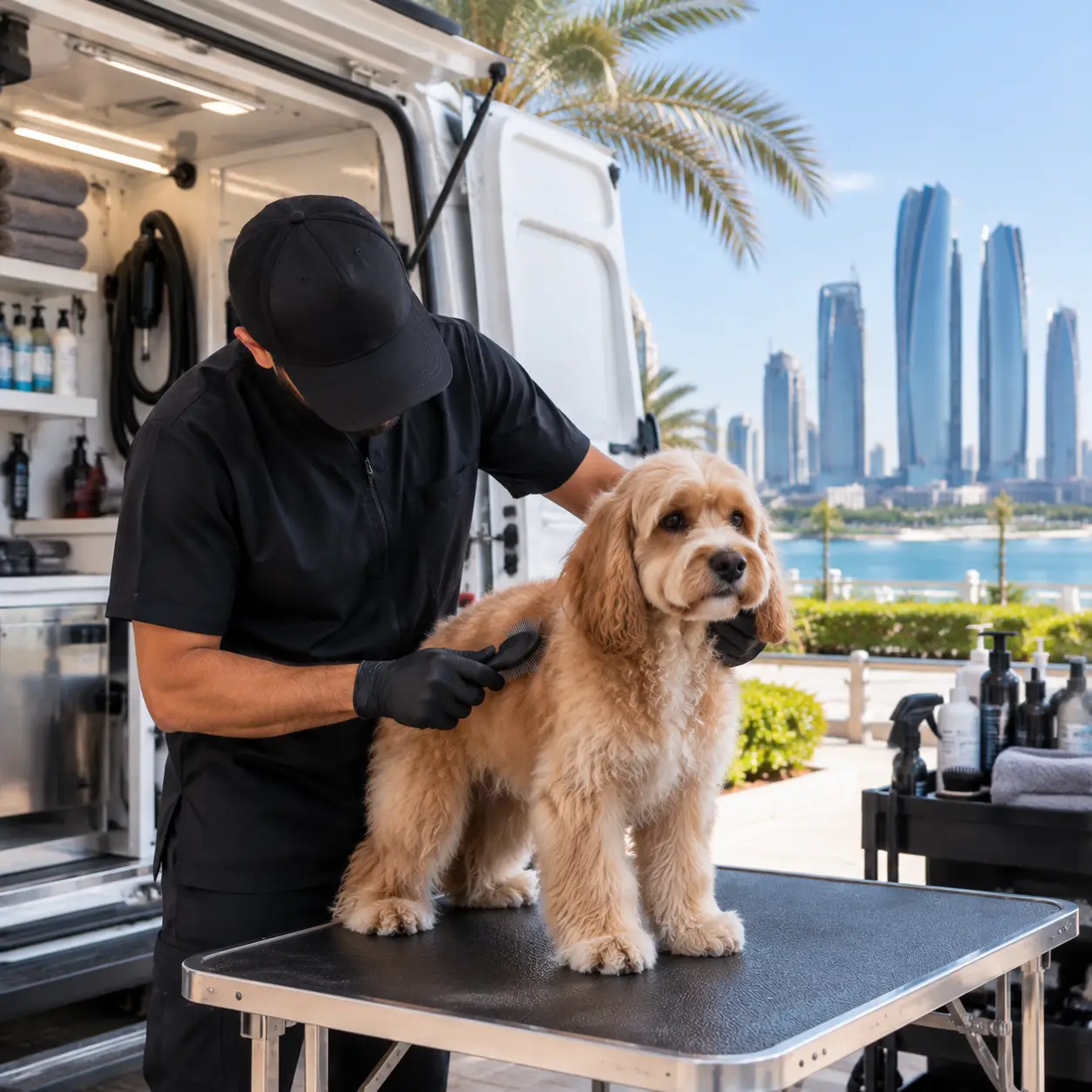

If you’ve ever noticed your dog’s teeth chattering, you might wonder whether it’s just a quirky habit or a sign of something more serious. While an occasional chatter can be harmless, frequent or intense chattering often points to an underlying issue like dental pain, which can be spotted during professional Pet Grooming Abu Dhabi sessions that include a teeth check.
In this guide, we’ll explore the main causes, signs to watch for, and what you can do to help your furry friend.
What Is Dog Teeth Chattering?
Short Answer: Dog teeth chattering can be a normal reaction to excitement or cold, but it can also signal an underlying issue like dental pain or stress.
Common Causes of Dog Teeth Chattering
1. Dental Problems
- The most common cause of teeth chattering in dogs is dental pain.
- Conditions like tooth decay, gum disease, or oral infections can cause discomfort that makes your dog’s jaw tremble.
- Regular dental check-ups and cleanings are essential to prevent these issues.
2. Cold or Temperature Sensitivity
- Just like humans, dogs can chatter their teeth when they feel cold.
- Smaller breeds or dogs with short fur are more likely to do this, especially during chilly mornings or after a bath.
3. Excitement or Anticipation
- Some dogs chatter their teeth when they’re excited. For example, before a walk, playtime, or mealtime.
- This kind of chattering is usually harmless and linked to emotional energy rather than physical pain.
4. Stress or Anxiety
- Dogs can also chatter their teeth when they feel anxious or stressed.
- Triggers like loud noises, unfamiliar environments, or separation from their owner can cause this reaction.
5. Medical Conditions
- Neurological issues, seizures, or jaw disorders can sometimes lead to chattering.
- If the behavior is frequent and not related to any obvious cause/
- It’s important to consult a vet to rule out serious health concerns.
Symptoms to Watch For
If your dog’s chattering teeth come with other signs, it may indicate an underlying problem. Keep an eye out for:
- Drooling or bad breath
- Difficulty eating or chewing
- Swollen or bleeding gums
- Tremors or muscle twitching
- Behavioral changes such as restlessness or hiding
If you notice any of these symptoms, it’s best to schedule a veterinary appointment immediately. A professional Dog Grooming in Abu Dhabi can also help monitor your pet’s oral health during routine care, often providing an early alert to such issues.
What To Do When Your Dog’s Teeth Are Chattering
1. Visit a Veterinarian
- A professional exam will help identify whether the cause is dental, neurological, or behavioral.
- Your vet can recommend the right treatment, from a simple dental cleaning to medication if necessary.
2. Maintain Good Oral Hygiene
- Brush your dog’s teeth regularly with pet-safe toothpaste and provide dental chews to reduce plaque buildup.
- Preventive dental care goes a long way in avoiding painful oral problems.
3. Keep Them Warm and Comfortable
- If cold is the trigger, provide a cozy blanket or dog sweater, especially during winter.
- Keeping your pet warm helps reduce involuntary chattering caused by low temperatures.
4. Reduce Stress and Anxiety
- Create a calm environment for your dog.
- Regular exercise, playtime, and positive reinforcement can help ease anxiety.
- For severe stress, your vet may suggest training or behavior therapy.
5. Regular Grooming and Care
- Proper grooming not only keeps your pet looking good but also ensures early detection of any discomfort or health changes.
Don’t Forget About Your Other Pets!
If you have cats at home, they deserve equal attention when it comes to health and hygiene. Regular brushing, trimming, and care from professional Cat Grooming Abu Dhabi
experts help prevent fur matting, skin problems, and oral issues that might go unnoticed otherwise.
Final Thoughts
Dog teeth chattering can be a simple emotional response or a sign that your pet needs medical or dental care. By paying attention to the cause and providing proper grooming, warmth, and vet care, you can keep your pet healthy and happy.
For comprehensive information on maintaining your other pet’s oral health, see our guide, Should I Clean My Cat’s Teeth?