
Every dog parent knows how much joy their furry companion brings, but nothing ruins a cuddle moment faster than dog bad breath. While it may seem harmless, bad breath (also called halitosis) is often a sign of underlying health issues that deserve attention. The good news? With the right care and prevention, your dog’s breath can be as fresh as their personality!
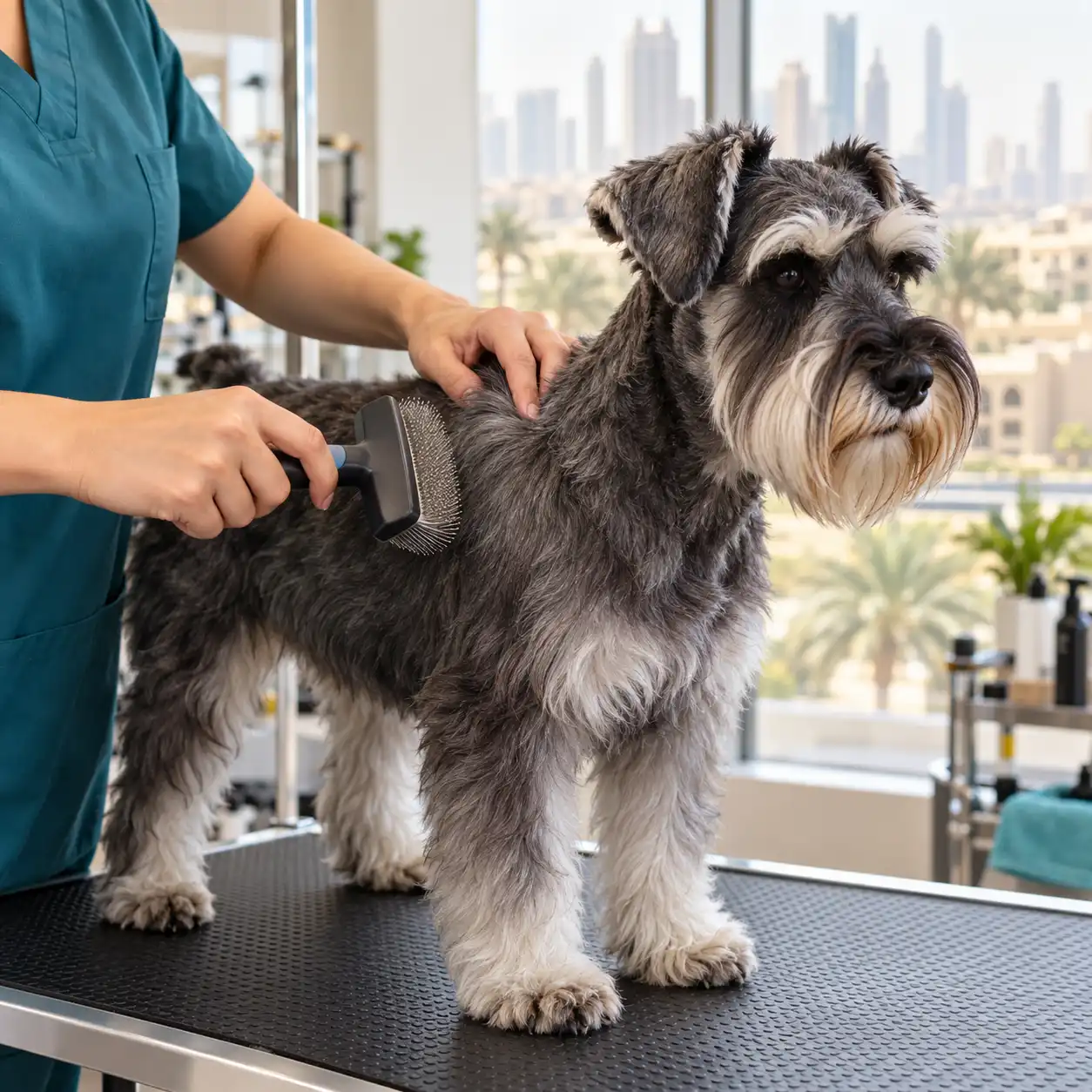
For a truly comprehensive approach, a professional session at a reputable Pet Grooming in Abu Dhabi often includes dental hygiene treatments that can make a significant difference.
What Causes a Dog’s Bad Breath?
Understanding the root cause is the first step to solving the problem. Here are the most common culprits:
1. Poor Oral Hygiene
Just like humans, plaque and tartar from food and bacteria cause bad breath in dogs without regular brushing.
2. Gum Disease (Periodontal Disease)
Plaque irritates gums, leading to painful inflammation, infection, and tooth decay.
3. Unhealthy Diet or Food Debris
Poor diet and eating unsavory items outdoors can directly cause foul breath.
4. Digestive or Kidney Issues
A fruity or ammonia-like odor can indicate diabetes or kidney issues. Consult your vet if you notice this change.
5. Oral Infections or Foreign Objects
Small sticks, bones, or toys can get stuck between teeth or along the gumline, leading to infections and smelly breath.
For cats, similar dental issues are a primary cause of bad breath, which is why a professional dental check is a core part of any thorough Cat Grooming in Abu Dhabi.
Effective Ways to Prevent Dog Bad Breath
Prevention is the key to keeping your dog’s mouth clean and healthy. Here’s how to stay ahead of the problem:
1. Brush Their Teeth Regularly
Brush your dog’s teeth several times a week with a dog-specific toothpaste to effectively reduce plaque and bacteria.
2. Schedule Regular Vet Checkups
Annual dental cleanings and oral exams can catch issues early.
3. Provide Dental Chews or Toys
Chewing helps reduce plaque naturally.
4. Feed a Balanced Diet
Feed a high-quality dog food, as some are specially formulated to help reduce plaque and support oral health.
5. Ensure Fresh Water at All Times
Provide fresh, clean water daily to help rinse away food particles and bacteria
6. Try Natural Breath Fresheners
Add vet-approved parsley, coconut oil, or mint to meals to naturally combat odor and aid digestion.
Proven Solutions for Treating Dog Bad Breath
If prevention isn’t enough and your dog’s breath remains bad, here’s what you can do:
1. Visit Your Veterinarian
A vet can perform a thorough oral exam to identify infections, gum disease, or other medical issues. They may recommend a professional dental cleaning or treatment plan.
2. Use Dental Rinses or Water Additives
These products help reduce bacteria in your dog’s mouth and freshen their breath. Ask your vet for safe and effective options.
3. Switch to Dental-Supportive Dog Food
Some premium brands are designed to scrape away plaque while your dog eats, promoting cleaner teeth and better breath.
4. Address Underlying Health Problems
If the smell is due to internal issues (like diabetes or kidney disease), your vet will recommend specific treatments to address the root cause.
When to See a Vet Immediately
Not all bad breath is harmless. Contact your vet right away if you notice:
- A sudden or severe odor that wasn’t there before
- Bleeding gums or loose teeth
- Loss of appetite or trouble chewing
- Swelling in the mouth or face
- Unusual odors (sweet, metallic, or ammonia-like smells)
These could signal a serious infection or internal disease that needs urgent care.
Final Thoughts
Dog bad breath is more than a nuisance; it’s often a clue about your pet’s health. With proper dental care, a healthy diet, and regular vet visits, you can prevent bad breath and keep your dog’s smile bright and healthy. And if you’re a cat owner wondering about feline dental care, the same principles of prevention are key.
A little effort goes a long way in ensuring your furry friend stays happy, healthy, and ready for all those sweet kisses and cuddles!