
Cats are known for their impeccable grooming habits. A healthy cat can spend several hours a day cleaning itself, keeping its fur smooth and free of dirt. In fact, self-grooming is often considered a cat’s best grooming technique, helping them stay clean and relaxed. However, when grooming turns into over grooming, it can become a problem. Over grooming isn’t just a quirky habit—it often indicates an underlying issue that needs attention. If you’ve noticed bald spots, skin irritation, or your cat constantly licking and chewing at certain areas, it’s time to step in.
Why Do Cats Over Groom?
Before finding solutions, it’s important to understand why cats may engage in excessive grooming. Some common causes include:
- Stress and Anxiety
Cats are sensitive creatures. Changes in environment, new pets, or even loud noises can trigger stress. Over grooming can become their way of self-soothing. - Skin Allergies and Irritations
Food allergies, flea bites, or even certain cleaning products can irritate a cat’s skin. In an attempt to relieve the discomfort, they may lick excessively. - Parasites and Fleas
Even one flea bite can cause intense itching. This irritation often leads to continuous licking, chewing, and scratching. - Boredom or Lack of Stimulation
Indoor cats, especially those without enough playtime, may resort to over grooming simply because they’re bored. - Medical Issues
Sometimes, over grooming is linked to deeper medical problems such as urinary tract infections or pain in certain areas. Cats may lick where they feel discomfort.
How to Stop Over Grooming in Cats
If your cat is over grooming, here are some steps you can take to help:
1. Rule Out Medical Causes
The first step should always be a vet visit. Your veterinarian can check for allergies, parasites, or underlying medical conditions. They may recommend blood tests, flea treatments, or dietary changes to address the issue.
2. Reduce Stress Triggers
Stress is one of the most common causes of over grooming. Identify possible triggers—such as new pets, moving homes, or lack of hiding spaces. Provide a calm environment with safe spaces like cat trees, soft beds, and quiet corners.
3. Keep Your Cat Entertained
Bored cats often pick up destructive habits. Invest in interactive toys, scratching posts, or puzzle feeders. Regular play sessions help redirect their energy away from grooming.
4. Improve Skin and Coat Care
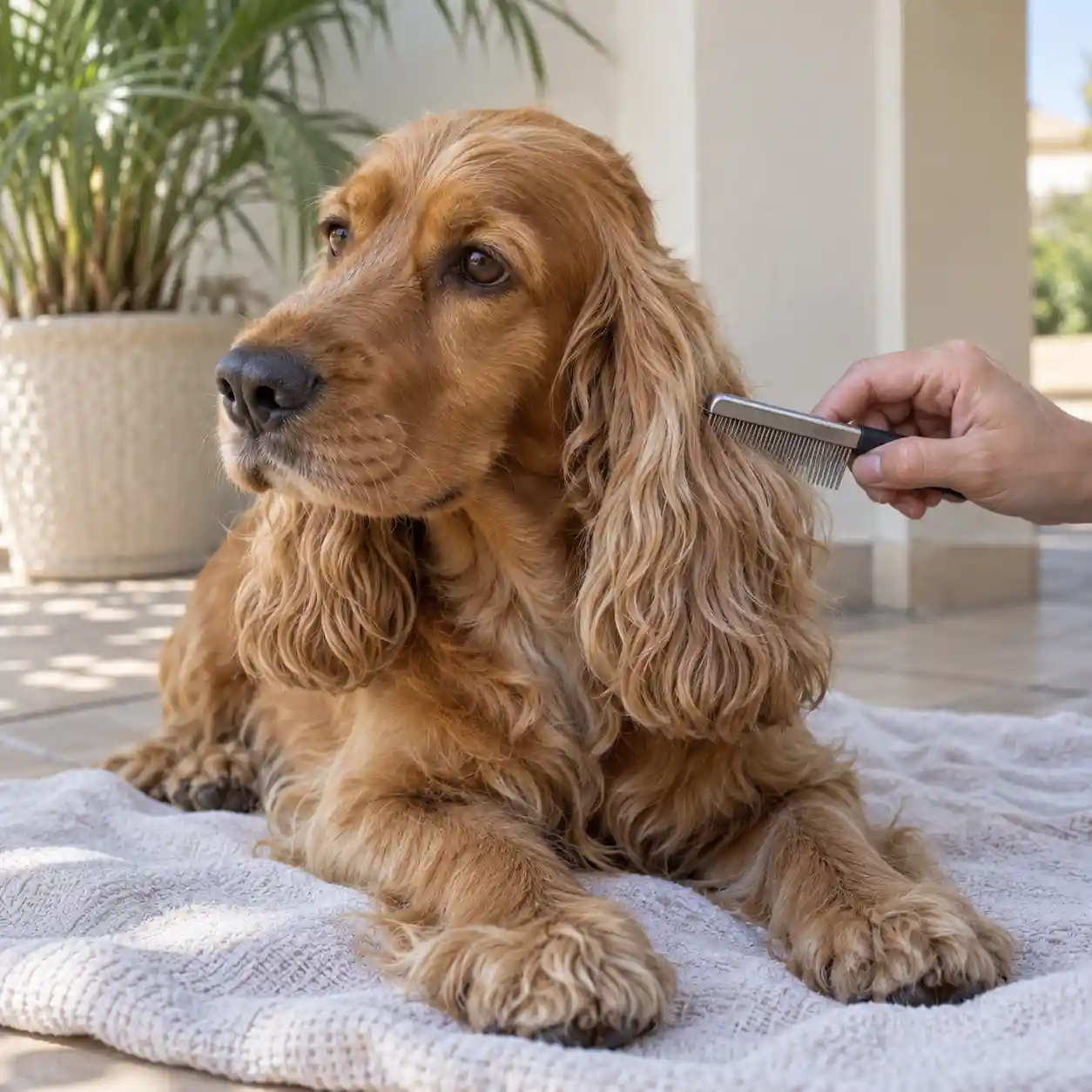
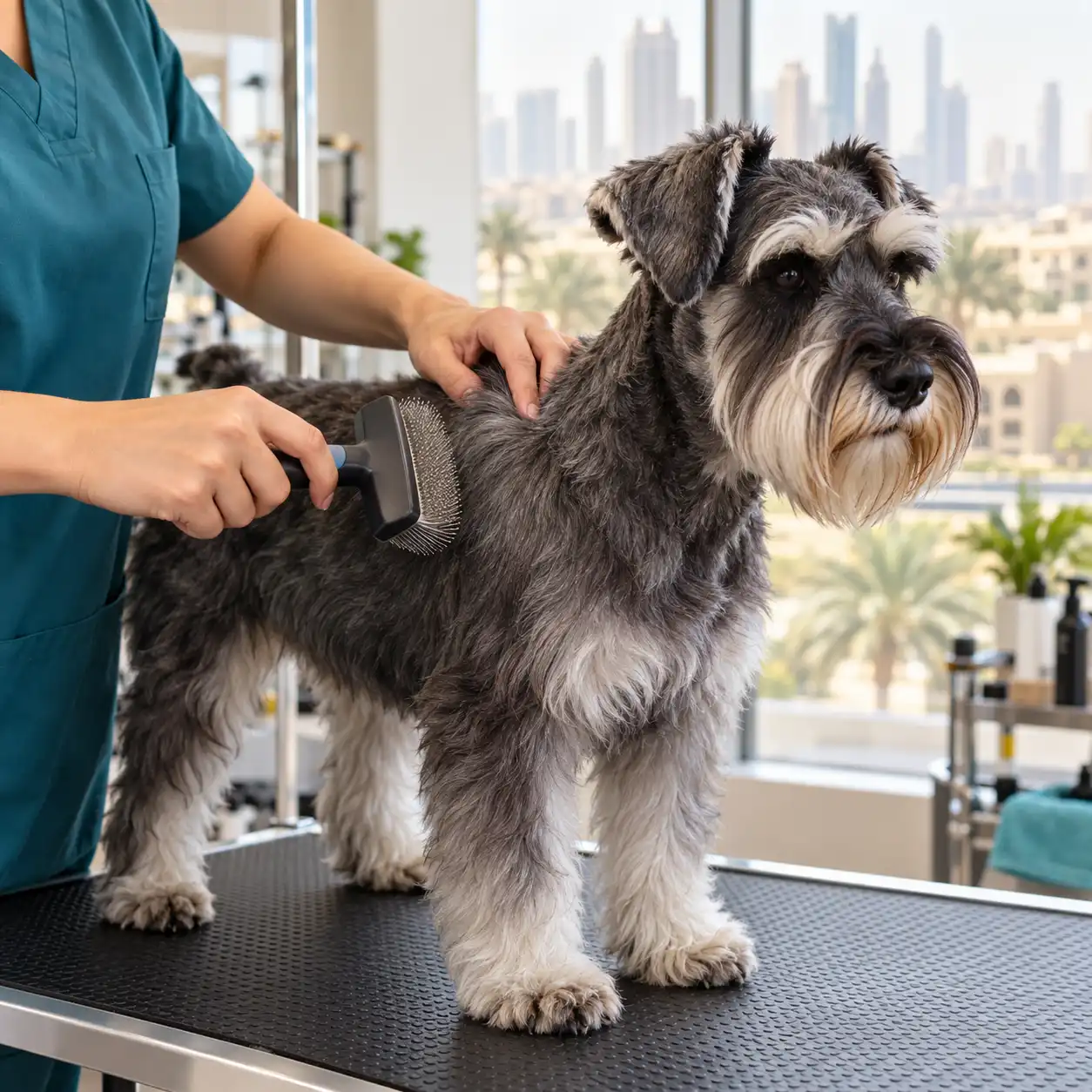
Regular grooming sessions at home or through professional Pet Grooming Abu Dhabi services can make a big difference. Professional groomers can help maintain a healthy coat, check for fleas, and reduce mats that irritate your cat’s skin.
5. Nutrition and Hydration
A balanced diet plays a key role in skin and coat health. Cats with omega-3 and omega-6 fatty acids in their diet are less prone to dry skin and irritation. Make sure fresh water is always available.
6. Use Deterrents Carefully
If your cat tends to lick a particular spot, your vet may recommend deterrent sprays or protective collars. However, these should be temporary solutions until the root cause is treated.
7. Professional Cat Grooming
Sometimes, over grooming is linked to fur tangles, shedding, or skin issues that can be prevented with regular grooming. Cat Grooming Abu Dhabi services ensure your cat’s fur remains clean, healthy, and free from irritants that can trigger excessive licking.
Final Thoughts
Over grooming in cats should never be ignored, as it’s often a sign of something deeper—whether stress, medical issues, or environmental triggers. By addressing the root cause, keeping your cat entertained, and ensuring proper grooming care, you can help your furry companion feel comfortable and happy again.
At the end of the day, cats may have their quirks, but we love them for it. After all, what would life be without these crazy pets?