
Living with pets is a source of immense joy but can also present a unique health challenge: pet allergies.
Interestingly, this issue is a two-way street. Pets can suffer from allergies caused by their environment, and humans can develop allergic reactions to their furry companions. It’s a dual concern that many pet owners in the UAE face, especially with the region’s hot, dusty climate and ever-changing indoor environments.
However, the good news is that both allergies can be managed effectively with the right knowledge and care.
Let’s break this down and explore how allergies affect pets first, and then we’ll shift our focus to how pets can sometimes unknowingly trigger allergies in humans. Along the way, we’ll uncover symptoms, treatment methods, and preventive strategies that make life easier for pets and humans.
Allergies in Pets: Seasonal Variations and Consequences
Like humans, pets in the UAE are prone to seasonal allergies, particularly during the transition between seasons when pollen levels rise or the air gets drier.
The most common culprits include dust mites, pollen, mold, and even indoor cleaning agents. Due to limited rainfall and high temperatures, allergens often remain suspended in the air longer than usual, increasing pet exposure.
During certain times of the year, especially spring and autumn, pets may show heightened sensitivity.
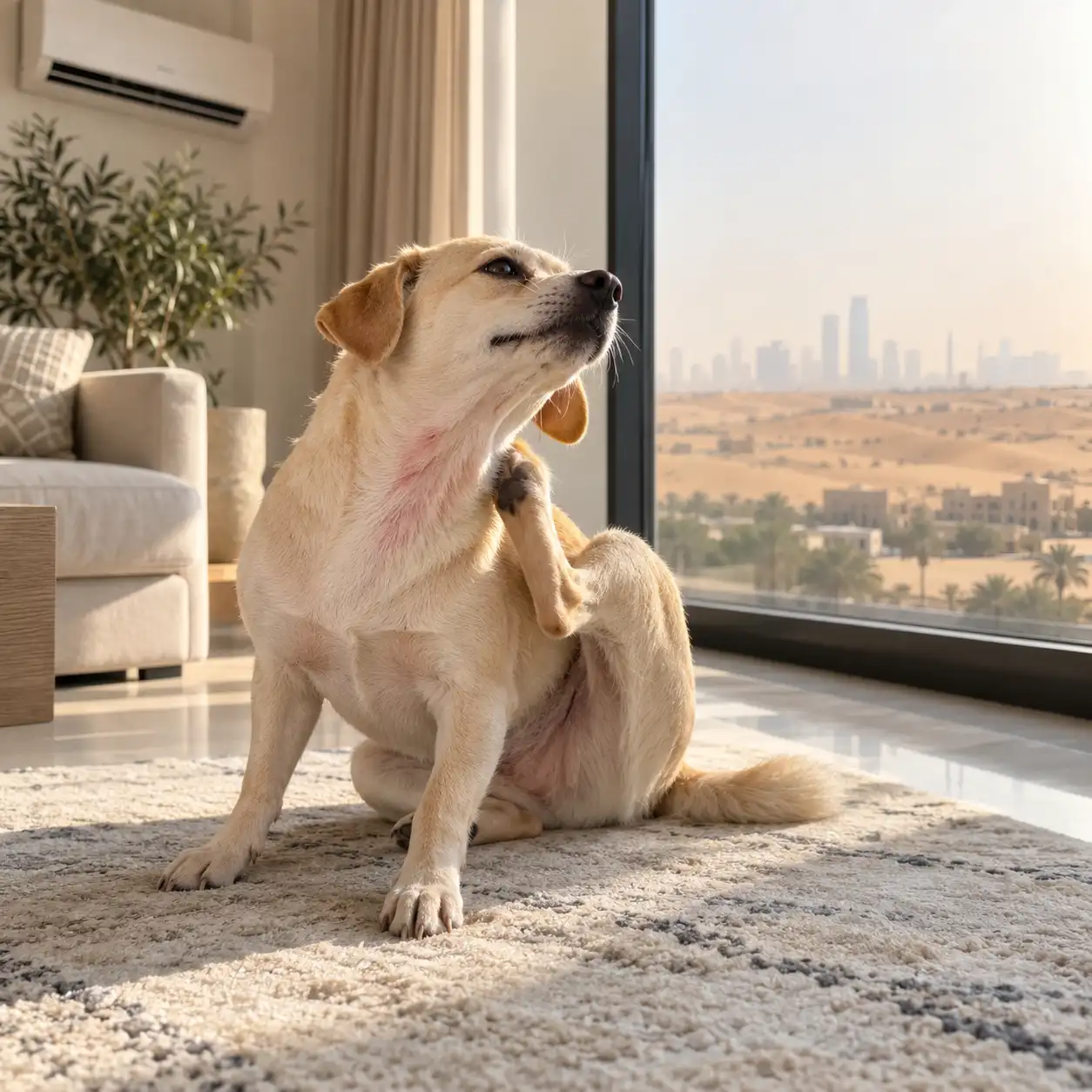
Some pets develop allergies to particular foods or flea saliva, while others might react to grooming products. If these allergens aren’t addressed in time, they can lead to persistent health issues such as chronic itching, skin infections, respiratory distress, and even discomfort-related behavioral changes.
The consequences of unaddressed allergies are not merely physical. Allergic reactions can affect your pet’s mood, reduce appetite, and compromise their immune system. In more severe cases, untreated allergies can evolve into long-term medical conditions requiring extensive veterinary care.
Common Signs of Allergic Reactions in Pets
Recognizing early signs of allergies in your pet is crucial for timely intervention. Look out for the following symptoms:
- Itchy Skin: Persistent scratching, licking, or biting at the same spot may indicate allergic dermatitis. This behavior often leads to red, inflamed patches or hair loss.
- Runny Eyes: Watery or red eyes are often mistaken for eye infections, but they can be signs of an allergic response to airborne irritants.
- Frequent Sneezing: If your pet sneezes repeatedly, especially indoors or after playing outside, it might react to pollen or dust.
- Ear Infections: Recurring ear infections or a bad odor from the ears can be caused by allergic inflammation of the ear canal.
- Digestive Issues: Vomiting, diarrhea, or excessive gas can sometimes point to food allergies, particularly if accompanied by itchy skin.
- Paw Licking: Pets often lick their paws excessively to soothe itchiness caused by contact with allergens like grass or flooring chemicals.
The duration of these pet allergy symptoms varies in different species, depending on where they started.
Treatment Options for Allergic Pets
1. Antihistamines and Medications
Veterinarians often prescribe antihistamines, corticosteroids, or immunosuppressive drugs to manage pet allergies. These help reduce inflammation, itching, and other symptoms, allowing your pet to feel comfortable again. Sometimes, allergy shots or immunotherapy may be recommended for long-term relief.
These medications must never be self-prescribed. Only a vet can determine the correct dosage and treatment duration based on the severity and cause of the allergy. Overuse or incorrect medication can worsen the condition or trigger side effects.
2. Medicated Baths
Specially formulated shampoos containing oatmeal, hydrocortisone, or antifungal agents can significantly reduce skin irritation. Regular baths with these products help wash away allergens from the fur and soothe inflamed skin.
These shampoos are safe for regular use but must be vet-approved, especially for pets with sensitive skin. A competent pet grooming salon in Abu Dhabi can offer hypoallergenic baths tailored for allergy-prone pets.
3. Air Purifiers and Clean Environment
Investing in a HEPA air purifier can help remove airborne allergens like dust, dander, and pollen from your indoor spaces. This creates a cleaner breathing environment for both pets and owners.
Vacuuming frequently, washing pet bedding, and using allergen-free cleaning products can also make a big difference. Keeping windows closed during sandstorms or high-pollen days is another smart move.
4. Dietary Adjustments
Sometimes, switching to hypoallergenic pet food can resolve underlying food allergies. These diets often contain limited ingredients or novel proteins like duck or venison.
Consult your vet before making any major dietary changes. A proper food trial might be necessary to identify the exact trigger and find the most effective solution.
Preventing Pet Allergies Through Seasonal Care
Prevention is always better than treatment, especially in the UAE’s climate, where allergies can become a year-round issue without proper care.
Regular Grooming and Bathing
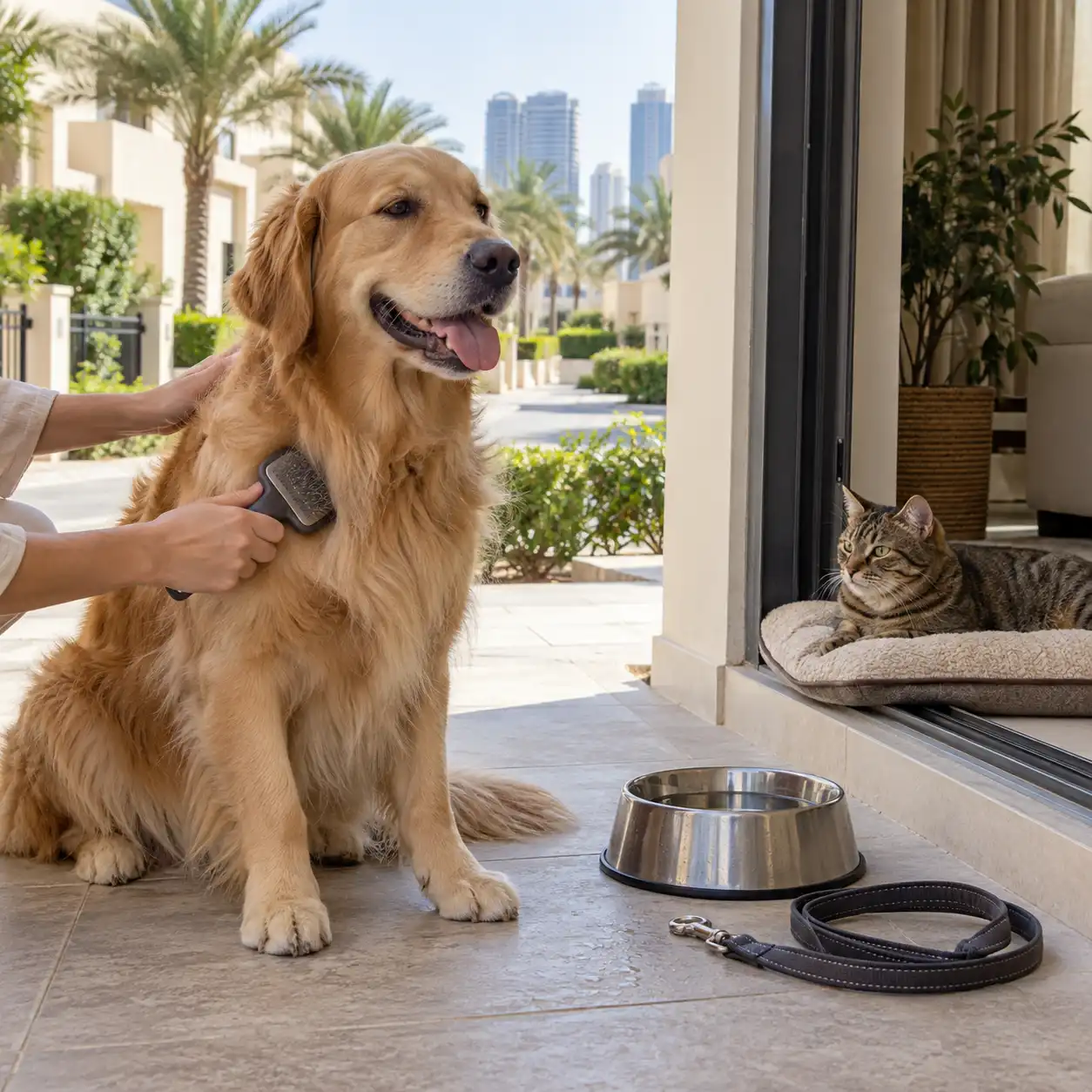
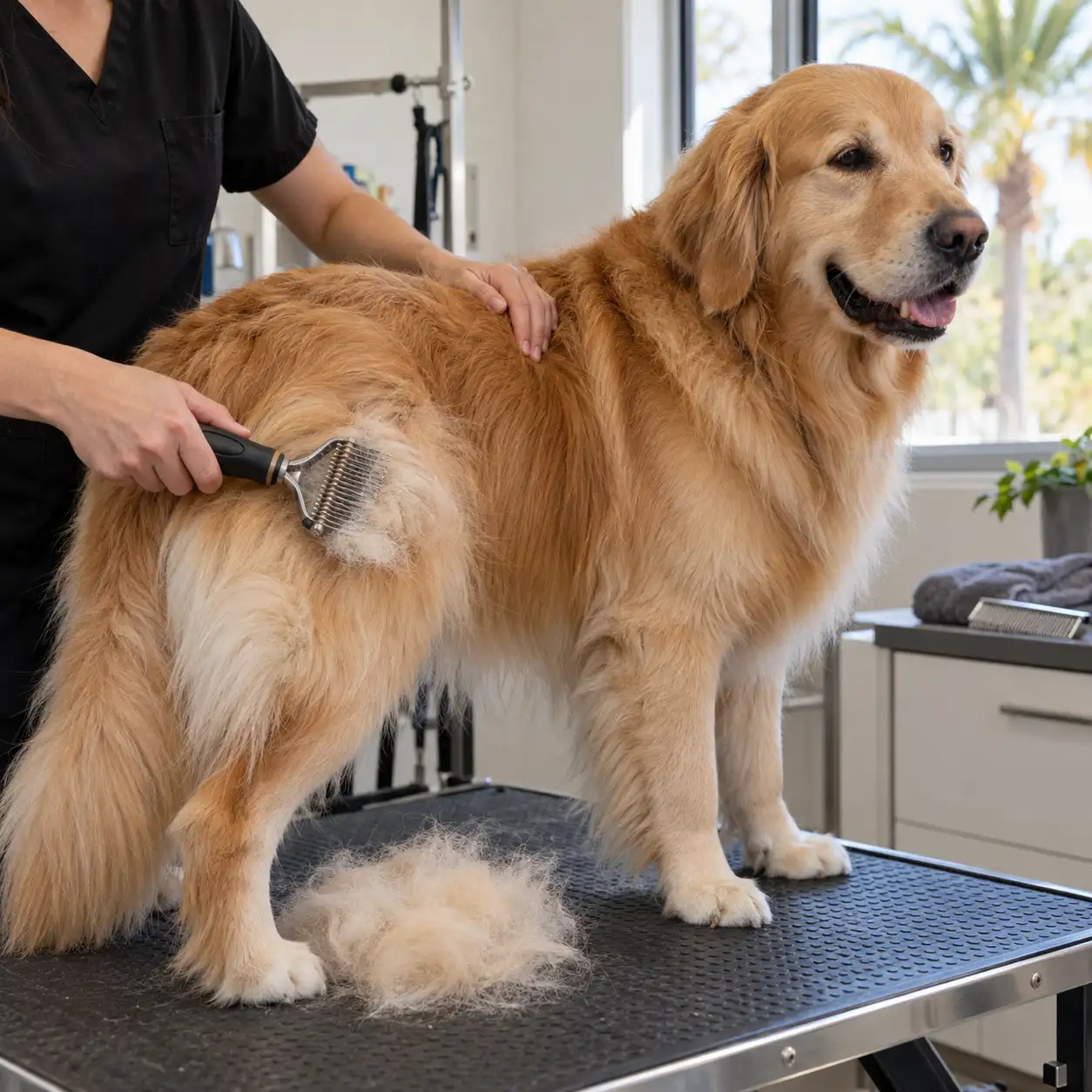
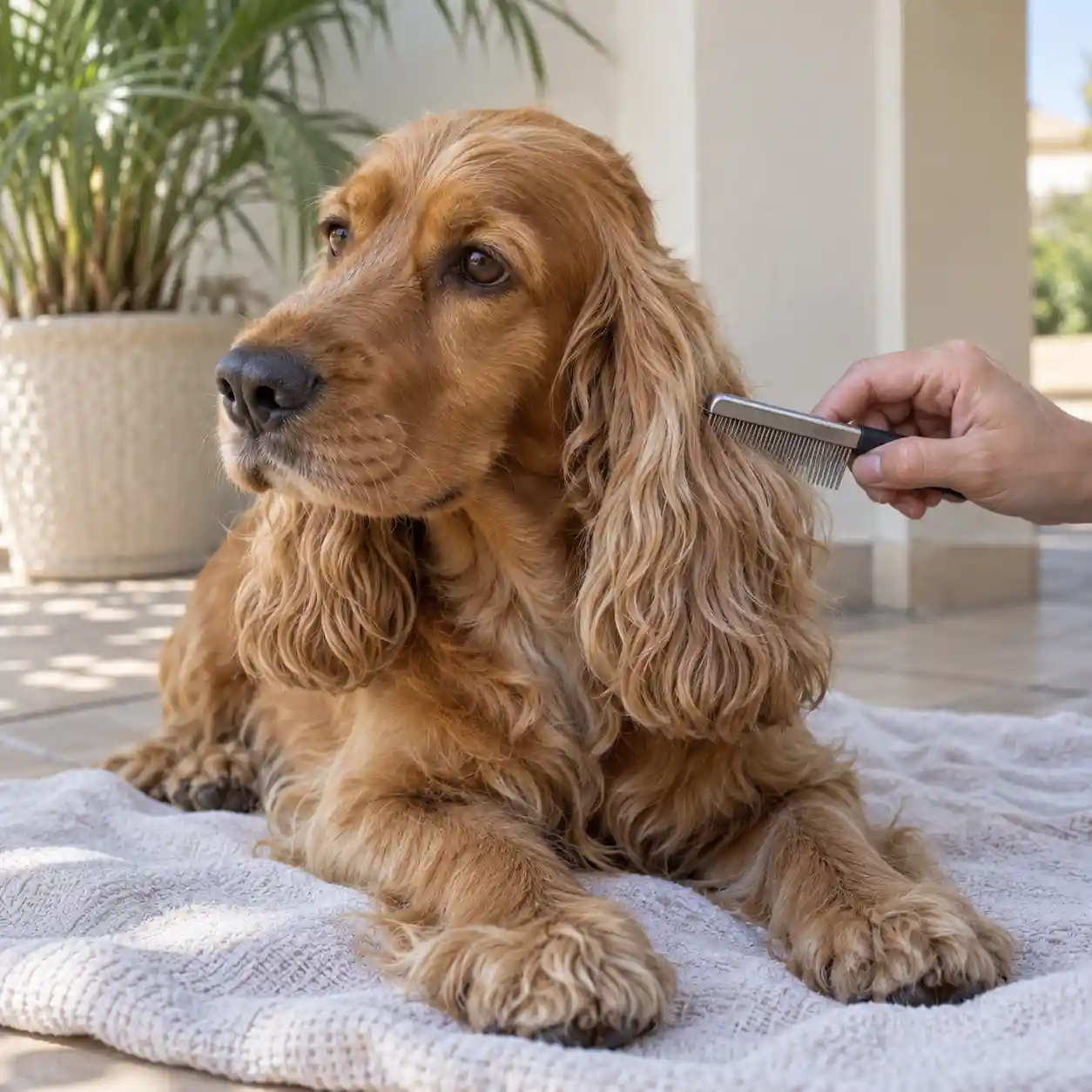
Frequent grooming helps remove trapped allergens from your pet’s coat. Regular brushing prevents the buildup of dander and pollen, especially after outdoor play.
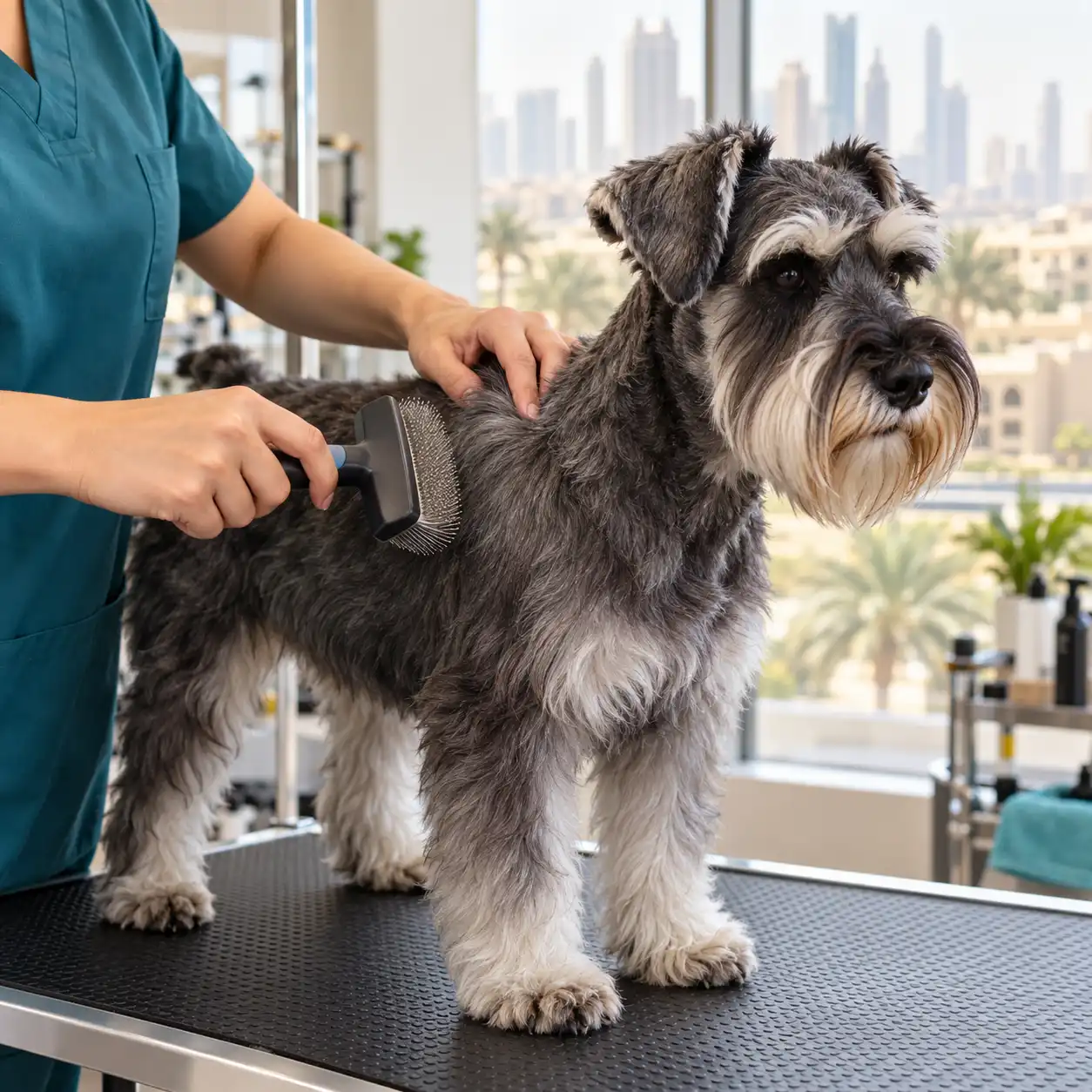
Grooming also allows inspection for skin issues, ear infections, or any unusual behavior. Services like those that offer cat and dog grooming in Abu Dhabi are ideal for allergy-sensitive grooming solutions.
Seasonal Awareness
Adjust your pet’s outdoor routine based on the season. Avoid walks during peak pollen hours in spring and limit outdoor activity during sandstorms.
Also, consider using pet-safe wipes to clean their paws and coat after walks. This simple step can prevent them from bringing allergens into your home.
Flea and Tick Control
Fleas are a major allergy trigger. Use vet-approved flea control treatments consistently, even if your pet stays indoors most of the time.
Keeping your home flea-free is just as important as vacuuming carpets and furniture regularly and washing your pet’s bedding in hot water.
When Pets Trigger Allergies in Humans
Now let’s flip the narrative. While pets suffer from allergies, they can also cause allergic reactions in humans. Pet dander (tiny skin flakes), saliva, and even urine can trigger allergies, especially in people with asthma or sensitive immune systems.
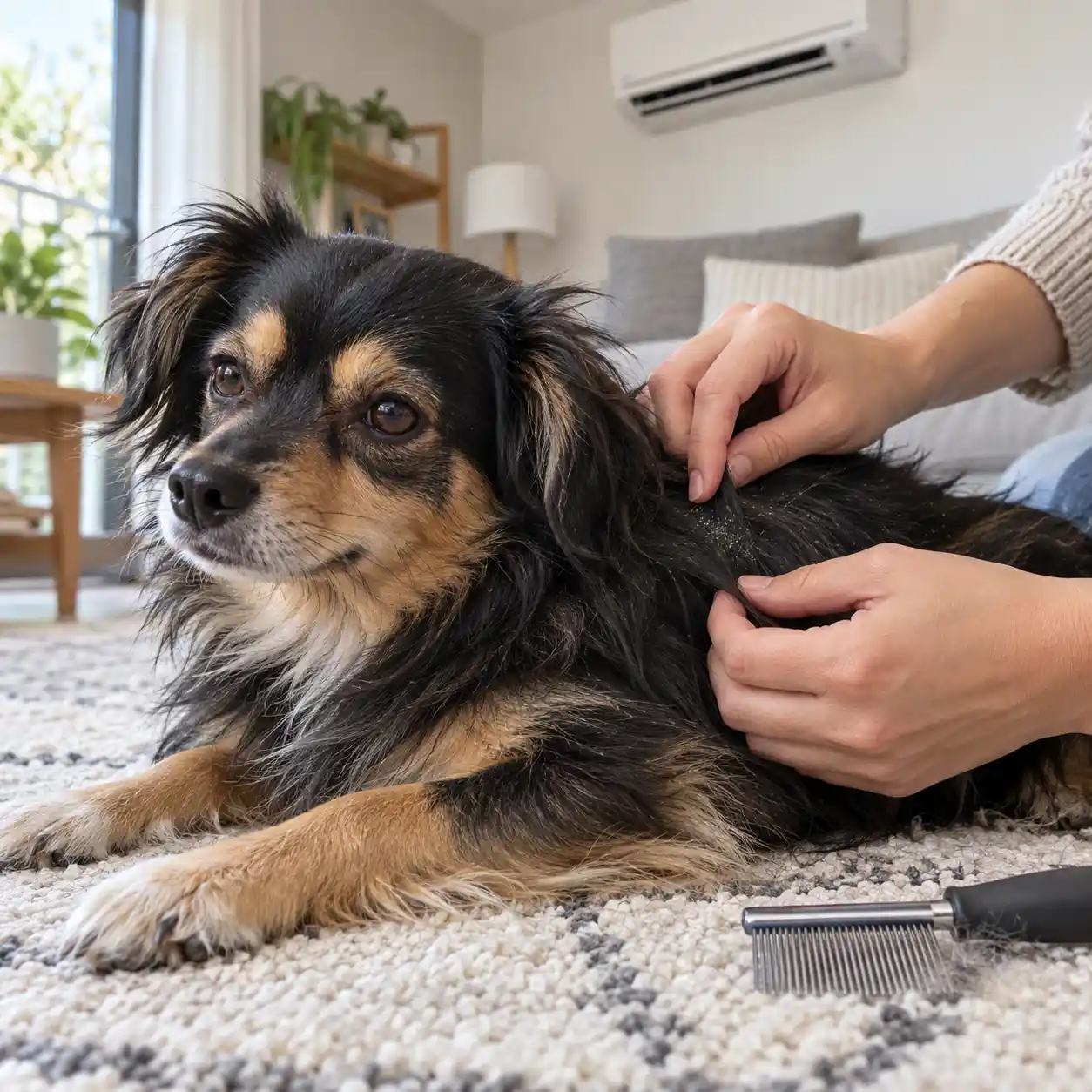
In the UAE’s closed indoor environments with air conditioning, allergens tend to accumulate. Prolonged exposure without proper ventilation and cleaning can lead to nasal congestion, watery eyes, coughing, and skin rashes.
Neglecting this exposure may result in chronic sinus infections or worsening respiratory conditions like asthma.
Identifying if Your Pet causes Your Allergy
It’s not always easy to pinpoint pets as the root cause of your allergies. Many assume their reactions are due to dust, pollen, or mold.
However, if symptoms flare up after cuddling your pet, cleaning their space, or waking up near where they sleep, your pet is likely the culprit. Allergy tests and skin prick tests can provide clear confirmation, and a visit to an allergist is recommended for accurate diagnosis.
Immediate Relief and Prevention for Human Allergies
Quick Treatment Options
- Over-the-Counter Antihistamines can help reduce sneezing, itching, and watery eyes caused by pet dander exposure. Non-drowsy options like cetirizine or loratadine are common and safe for daily use.
- Nasal Sprays: Steroid-based sprays help control nasal inflammation and are useful for daily allergy maintenance. They reduce swelling in the nasal passages and improve airflow, offering long-lasting relief during allergy flare-ups.
- Eye Drops: Special antihistamine eye drops reduce redness and irritation, especially after close contact with pets. They soothe dry, itchy eyes and can be used multiple times daily depending on the product and severity of symptoms.
- HEPA Filters: Using HEPA filters in your air conditioning systems and vacuum cleaners can dramatically reduce airborne allergens. These filters trap microscopic particles such as pet dander, pollen, and dust, helping to purify indoor air quality.
- Showering After Contact: Washing off allergens from your skin and hair can prevent reactions from worsening. This is especially important before bed, as it stops allergens from transferring to pillows and bedding where they can linger.
How to Prevent Pet-Related Allergies
- Create Pet-Free Zones: Keep bedrooms or other closed spaces pet-free to allow your immune system to recover overnight. Make these rooms allergen-safe by regularly cleaning surfaces, washing linens, and using an air purifier.
- Use Allergen-Reducing Sprays: These sprays neutralize dander and are safe for furniture and pet bedding. They help break down proteins in pet saliva and dander, making your home more comfortable for allergy-sensitive individuals.
- Wash Hands Frequently: Washing hands after petting and feeding reduces the transfer of allergens to your face. Avoid touching your eyes or nose before washing to minimize exposure and reduce the chance of reactions.
- Regular Grooming of Your Pet: Professional grooming helps control shedding and dander, making a big difference in allergy management. A clean coat means fewer allergens spread throughout your home, and regular baths help wash away irritants like pollen or dust.
- Choose Hypoallergenic Breeds: If you plan to get a pet, some breeds produce fewer allergens than others. Breeds like Poodles, Bichon Frise, or Siberian cats are often recommended for allergy-prone households.
How Vets and Grooming Salons Help With Allergies
Professional support is vital when managing allergies on both ends of the leash. Veterinarians are equipped to diagnose the root causes of your pet’s allergic symptoms and prescribe personalized treatment plans, including medications, diet changes, and immunotherapy.
Grooming salons play a complementary role. Whether it’s reducing dander, clearing pollen, or applying soothing treatments to sensitive skin, regular grooming helps manage allergens before they become a problem.
With the right routine, allergies can be effectively managed to keep both pets and humans healthy and happy.
Conclusion
Allergies can be frustrating, whether in pets or their owners, but they are far from unbeatable. By understanding what triggers these reactions and how to manage or prevent them, you’re improving your quality of life and your pet’s well-being.
From medical treatments to grooming routines and lifestyle changes, every step you take makes a noticeable difference.
Book Your Next Allergy-Friendly Grooming Session at Crazy Pets
At Crazy Pets in Abu Dhabi, we specialize in allergy-conscious grooming services prioritizing your pet’s comfort and your household’s health. Whether your pet has sensitive skin or you’re dealing with dander-related allergies, our expert pet grooming in Abu Dhabi is here to help.
Book an appointment today and keep your pet clean, happy, and allergy-free!