
Protect your dog with early detection.
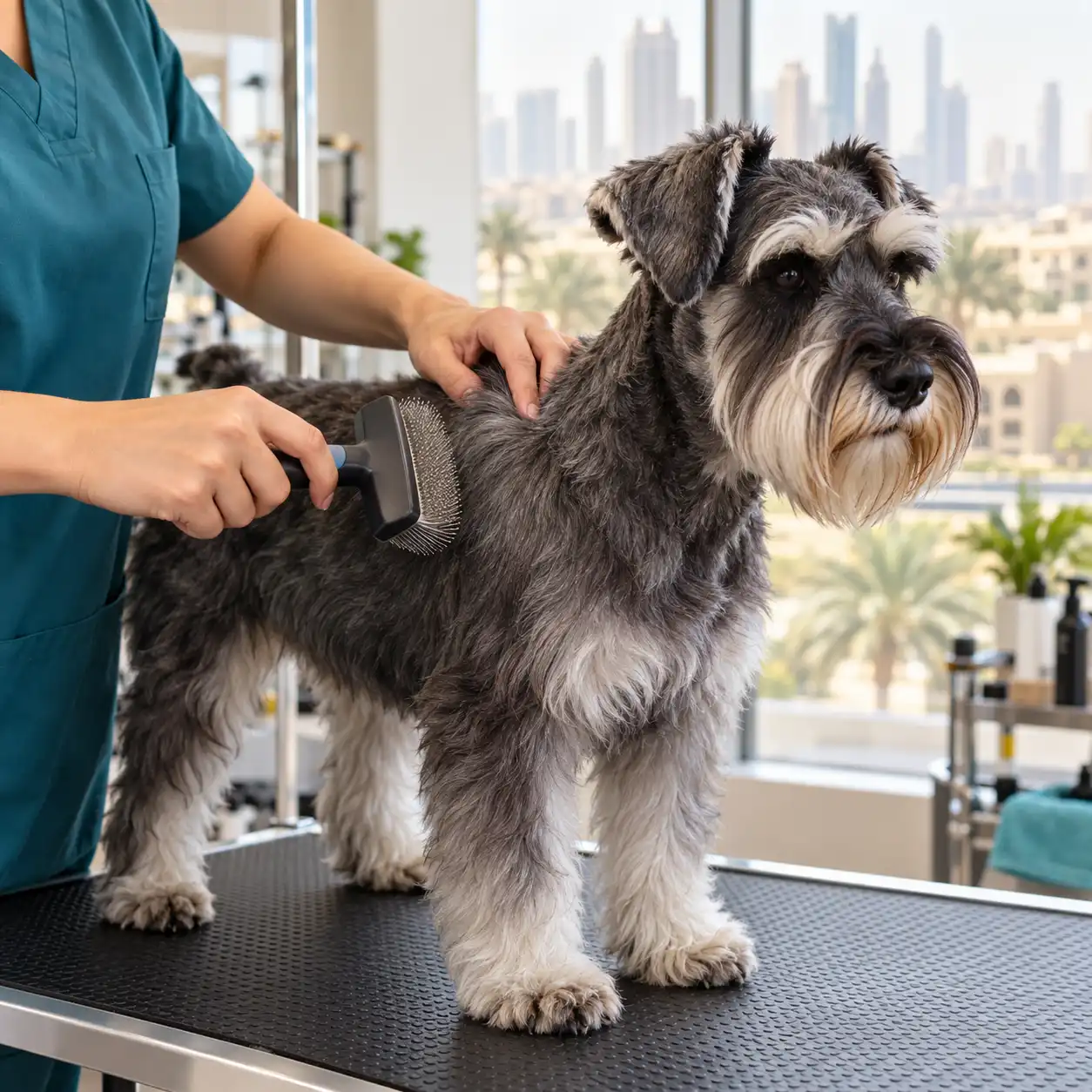
Biliary disease in dogs is a serious health condition affecting the liver and bile ducts. It can predispose to major organ failure and complications if left untreated. Pet owners who identify early symptoms of biliary disease in their pets will have a chance to get timely veterinary help and secure a better quality of life for their companions. Alongside regular checkups, maintaining hygiene through a trusted pet grooming service in Abu Dhabi can also support your dog’s wellness and help spot external signs of illness early.
In this blog, we look into what biliary disease is, what causes it, its signs of early warning, its diagnosis, treatment, and care for a healthy dog.
Biliary Disease in Dogs
The term biliary disease encompasses any affliction of the bile ducts, gallbladder, or bile flow in dogs. The bile system plays a major part in the digestion of lipids and the elimination of the liver’s toxins. The different problems that arise, when either inflamed or blocked, are called biliary diseases.
Variations of biliary diseases in dogs are:
- Cholangitis: Inflammation of the bile ducts
- Cholecystitis: Inflammation of the gallbladder
- Extrahepatic biliary obstruction (EHBO): Blockage of the bile duct
- Gallstones or bile sludge accumulation
Causes of Biliary Disease in Dogs
Understanding what triggers biliary diseases is good to know. The common causes include:
- Bacterial or parasitic infection (Ehrlichia, Babesia, or Leptospira)
- Gallstones blocking bile flow
- Pancreatitis is putting pressure on the bile duct
- Tumors or cysts in the liver or gallbladder
- Traumas or bile duct injury
- Congenital defects of the biliary system
If your dog is on any long-term medications, you might want to ask your veterinarian to add liver and gallbladder checks to his routine checkups.

Early Signs of Biliary Disease in Dogs Every Pet Owner Should Know
Recognizing the early signs can help prevent complications. Here are the key warning signs you should never ignore:
1. Loss of Appetite
One of the earliest signs is a sudden slowdown in eating behavior. Your dog may be unable to eat because of bile-fuelled discomfort.
2. Vomit and Nausea
Dogs with biliary disease often vomit bile. They will vomit bile in the morning on an empty stomach when there is a lot of nausea. Frequent vomiting is a warning sign.
3. Yellowing of Eyes or Gums (Jaundice)
Jaundice is the most obvious sign. Yellowing of the eyes, skin, or gums means some dysfunction of the liver or bile duct.
4. Lethargy and Weakness
If your dog appears tired, slow, and uninterested in playing, it may be more than just a lazy day; there may be some liver-related fatigue.
5. Pale or Grey Stools
Changing stool color, especially pale or clay-colored is most likely to indicate a problem with bile flow since bile gives poop its normal brown color.
6. Abdominal Pain
Your dog may cry, whine, and appear uncomfortable to you while you touch his belly. This could be due to inflammation of the gallbladder or the liver.
7. Increased Thirst and Urination
Excessive thirst and frequent urination ordinarily result from liver dysfunction. This symptom is sometimes overlooked.
Diagnosis of Biliary Disease in Dogs
Various methods are employed by your veterinarian for diagnosis, including:
- Physical examination looking for signs of pain or jaundice
- Blood tests looking at liver enzymes, white blood cells, or bilirubin
- Ultrasound imaging of the liver, gall bladder, and bile ducts
- X-ray examination to pick up obstructions or tumors
- If required, a bile culture or biopsy
The sooner the diagnosis is made, the greater the chances of success. Always consult your veterinarian regarding any unusual symptoms you have noticed.
Treatment for Biliary Disease in Dogs
Dogs are treated according to the factors and severity of the disease. Treatments commonly involve:
- Antibiotics are used when an infection is present
- Anti-inflammatories to minimize the swelling
- Ursodiol or bile acid treatment to improve bile flow
- Surgical removal of gallstones or tumors, or to repair blocked ducts
- Supportive care: IV fluids, liver detox diets, pain relief
In chronic scenarios, your vet will implement regular monitoring while giving lifelong liver support to help alleviate symptoms and prevent relapse.
How to Prevent Biliary Disease in Dogs
Although not every case can be prevented, some calculated precautions may help shelter your pet:
1. Feed a Balanced, Quality Food
Avoid all processed and fatty foods. Preferably, one should select liver-friendly pet food in the UAE made with lean proteins, vegetables, and all other major nutrients.
2. Regular Vet Checkups
Routine blood work and abdominal exams would help in catching early signs before symptoms are clinically observable.
3. Deworm and Vaccinate
Parasitic infections like Babesia can cause biliary damage. Use of preventive medication and maintaining vaccination schedules would be helpful.
4. Limiting Exposure To Toxins
Avoid giving your dog table scraps, human medications, or anything that falls under the classification of toxic plants or toxic chemicals. Overburdening the liver can result in the disease since the liver is the body’s detox center.
5. Maintain Cleanliness & Hygiene
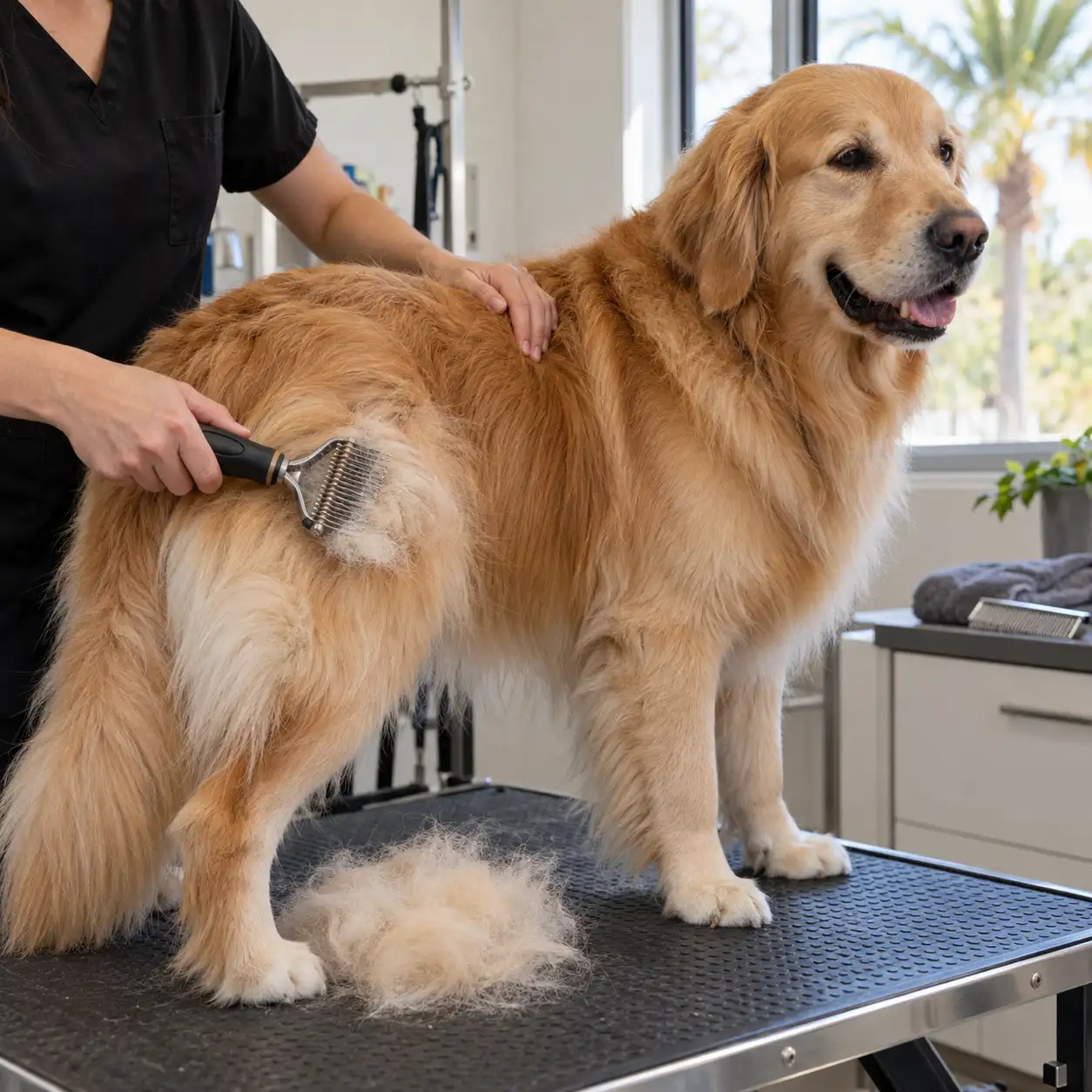
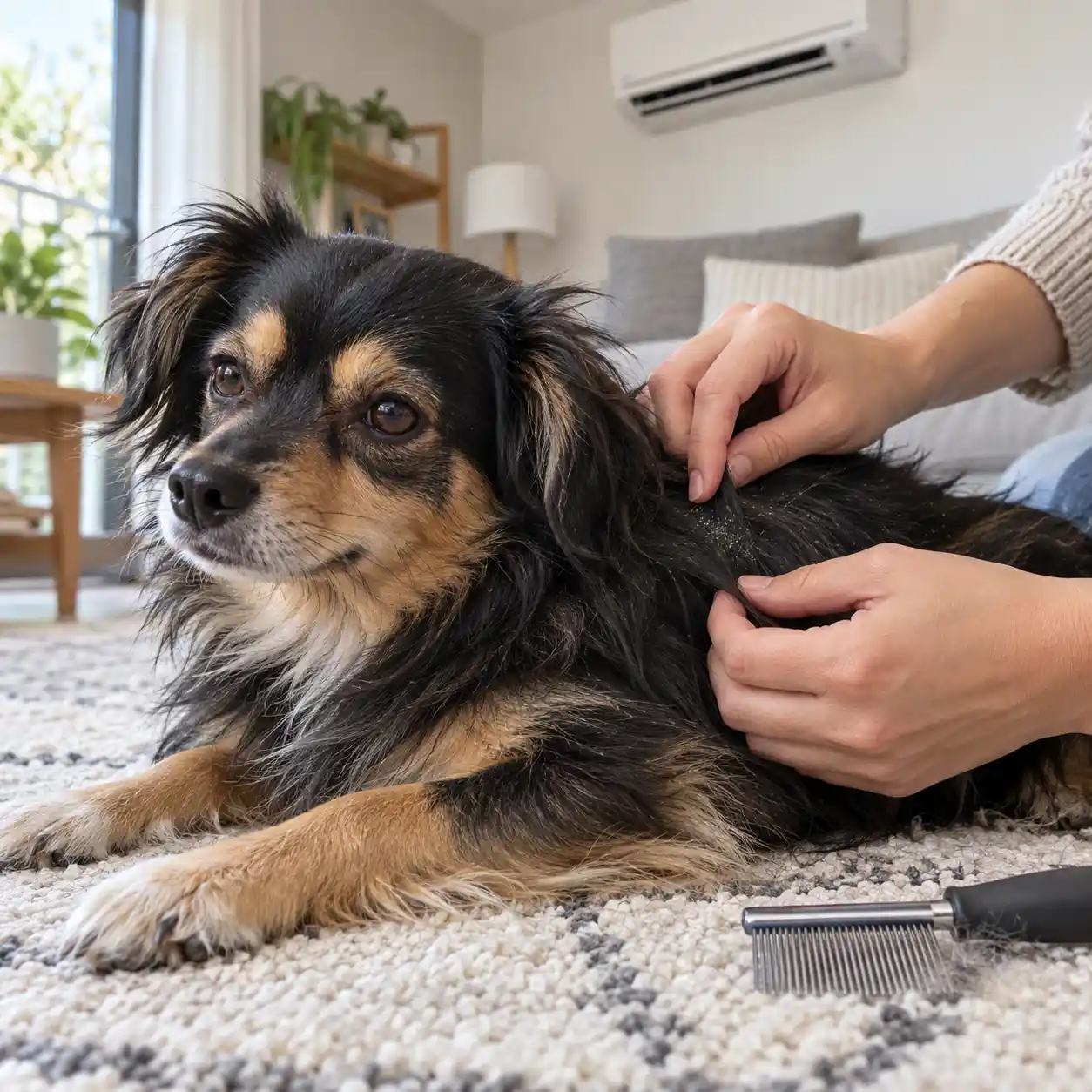
Good hygiene can help prevent skin infections and detect signs like yellowing of the eyes or gums early. Using a reliable dog grooming service in Abu Dhabi ensures your pet is not only clean but also regularly monitored for visible health changes that might point to underlying liver issues.
When To Consult The Vet
If your dog has two or more symptoms among the early signs of biliary disease, do not delay. The issues regarding the liver and gallbladder tend to progress fast and become critical in a very short span. Early diagnosis and treatment can save the life of your dog.
Final Thoughts
Recognizing early signs of biliary disease in dogs that every pet owner should know will allow you to intervene before it gets out of hand. From appetite changes to jaundice, all the symptoms count. Stay educated, maintain a balanced diet, and adopt a schedule of regular vet visits to protect your dog from this silent threat.