
Can dogs eat chikoo? Quick answer: Yes! Chikoo season in the UAE means one thing in most homes: a bowl on the counter, and a dog sitting nearby with very hopeful eyes. Before you slice off a piece for your dog, here’s what you need to know.
Chickoo is a well-known sweet tropical fruit. It is enjoyed by many due to its creamy texture and caramel-like flavor, making it a popular choice in smoothies, desserts, or simply eaten fresh. Sharing this with your dog becomes a concern for many pet owners. Chikoo is easy to find across Abu Dhabi and the wider UAE, especially in the cooler months when local markets and supermarkets stock it fresh. Because it’s such a common household fruit here, it’s one of the most frequent “can my dog eat this?” questions our groomers get asked.
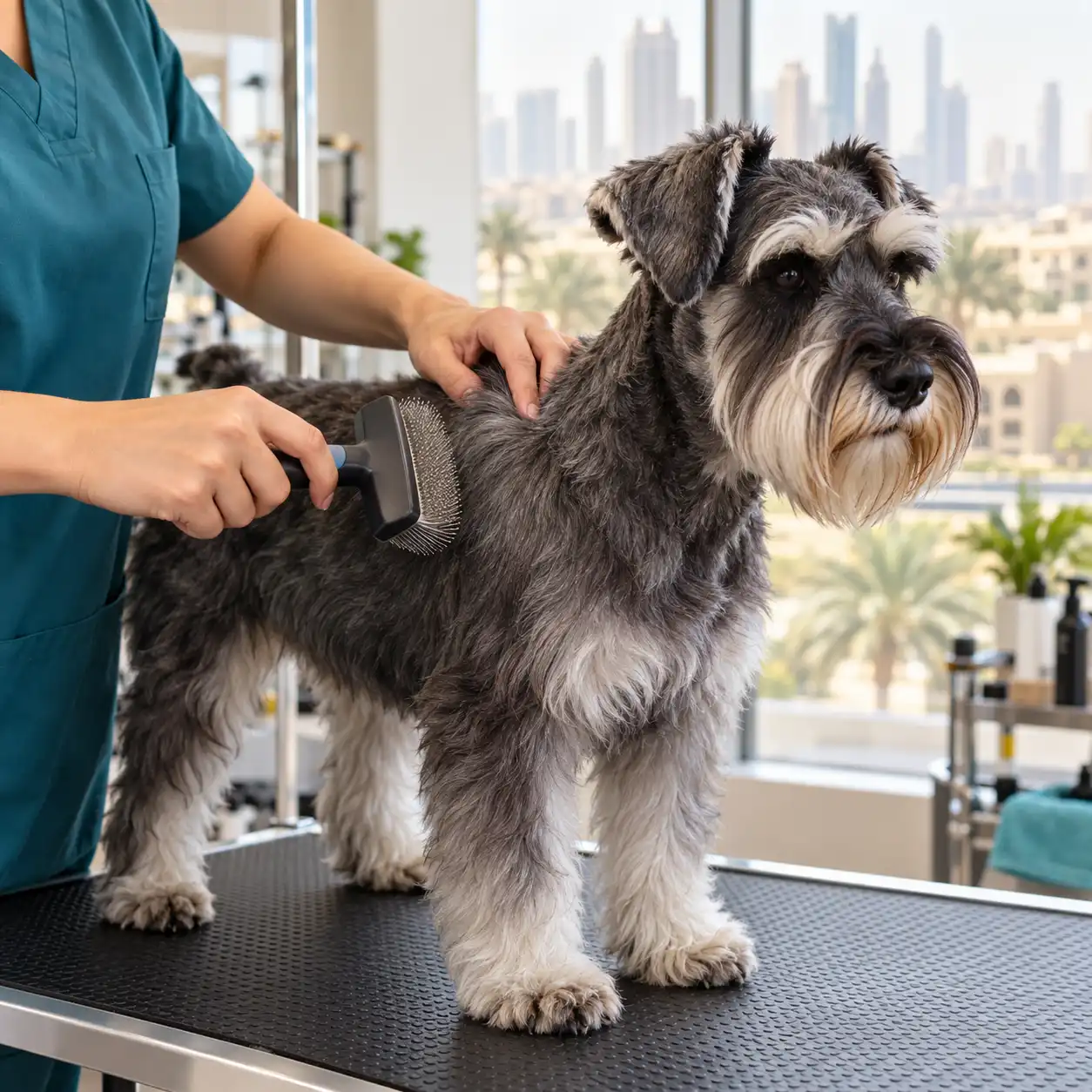
Apart from it, your dog’s diet plays an impactful role in how healthy their coat looks and how much grooming they need. To help with that, our pet grooming service in Abu Dhabi ensures your dog’s coat stays clean and shiny.
Nutritional Composition of Chikoo
| Nutrient | Benefit for Dogs |
|---|---|
| Vitamins A & C | Support immune health |
| B vitamins | Support energy metabolism (in small amounts) |
| Potassium, iron, calcium | General mineral support |
| Dietary fiber | Aids digestion |
| Natural sugars | High — the main reason to limit portions |
Advantages and Dangers of Feeding Chikoo to Dogs
Chikoo is not toxic to dogs; a small piece is unlikely to cause harm. The fiber aids digestion, and vitamin C supports immunity. Here are the downsides:
- Sugar level: High sugars could upset the dog’s stomach or might even lead to obesity and dental diseases.
- Seeds: These Chikoo seeds pose a threat of choking and are mildly poisonous. Always take out the seed before offering the fruit.
- Allergic reactions: Like any new food, the Chikoo might produce allergic reactions in some dogs. Start small and watch for itching, swelling, or digestive upset.
- Digestive sensitivity: Dogs with sensitive tummies might start having soft stools or gas.
Generally, Chikoo should be an occasional treat, definitely not a daily snack.
How to Introduce Chikoo Into Your Dog’s Diet Safely
Peel the fruit, get rid of its seeds, cut it into tiny pieces, and offer just a small quantity, about a teaspoon for small dogs, a tablespoon for large breeds. Watch closely for a day or two. If no issue arises, it could be given preferably as an occasional special treat. Avoid giving Chikoo to dogs that are either diabetic or overweight.

What About Other Fruits?
Chikoo isn’t the only fruit dog owners ask us about. As a quick reference:
- Safe in small amounts: apple (no seeds), banana, watermelon (no seeds/rind), chikoo (no skin/seeds)
- Avoid completely: grapes, raisins, cherries (pits), and anything containing xylitol
When in doubt, check with your vet before offering a new fruit, especially if your dog has a sensitive stomach or an existing health condition.
How Diet Affects the Health of a Dog’s Coat
The shiny, healthy coat is not about proper grooming: it reflects a healthy diet.
Nutrients for a Healthy Coat
Veterinary nutrition guidelines commonly recommend fish or flaxseed oil as a daily source of these fatty acids for dogs with dry or dull coats something worth raising with your vet if your dog’s coat isn’t improving with grooming alone. The dog’s coat depends on specific nutrients, including the following:
- Omega-3 and Omega-6 fatty acids: These good fats keep skin moisturized and give a shiny coat.
- Protein: A must for the growth and repair of hair.
- Vitamins A, E, and B complex: Maintain skin cells and reduce inflammation.
- Zinc and Biotin: Help repair skin and prevent its dryness.
When a dog’s body is deprived of balanced supplies of these nutrients, its coat turns dull, brittle, or prone to shedding.
Common Deficiencies in Diet that Affect Coat and Skin
Not enough of the right nutrients can cause:
- Dry and flaky skin
- Excessive shedding or loss of hair
- Matted or brittle fur
- Redness or irritation
These symptoms are more often found in dogs lacking essential fats or vitamins.
Dietary Recommendations for Improvement in Coat Quality
Feeding your dog high-quality protein and balanced fatty acids helps maintain a healthy coat. Fish oils and flaxseed oils are excellent sources of omega-3 fatty acids. They may also take care of some nutritional gaps, as Supplements for pets’ skin and coat health can overall improve skin and coat conditions.
Grooming Needs Based on Dietary Health
Signs of Poor Coat Health and When to Groom More Frequently
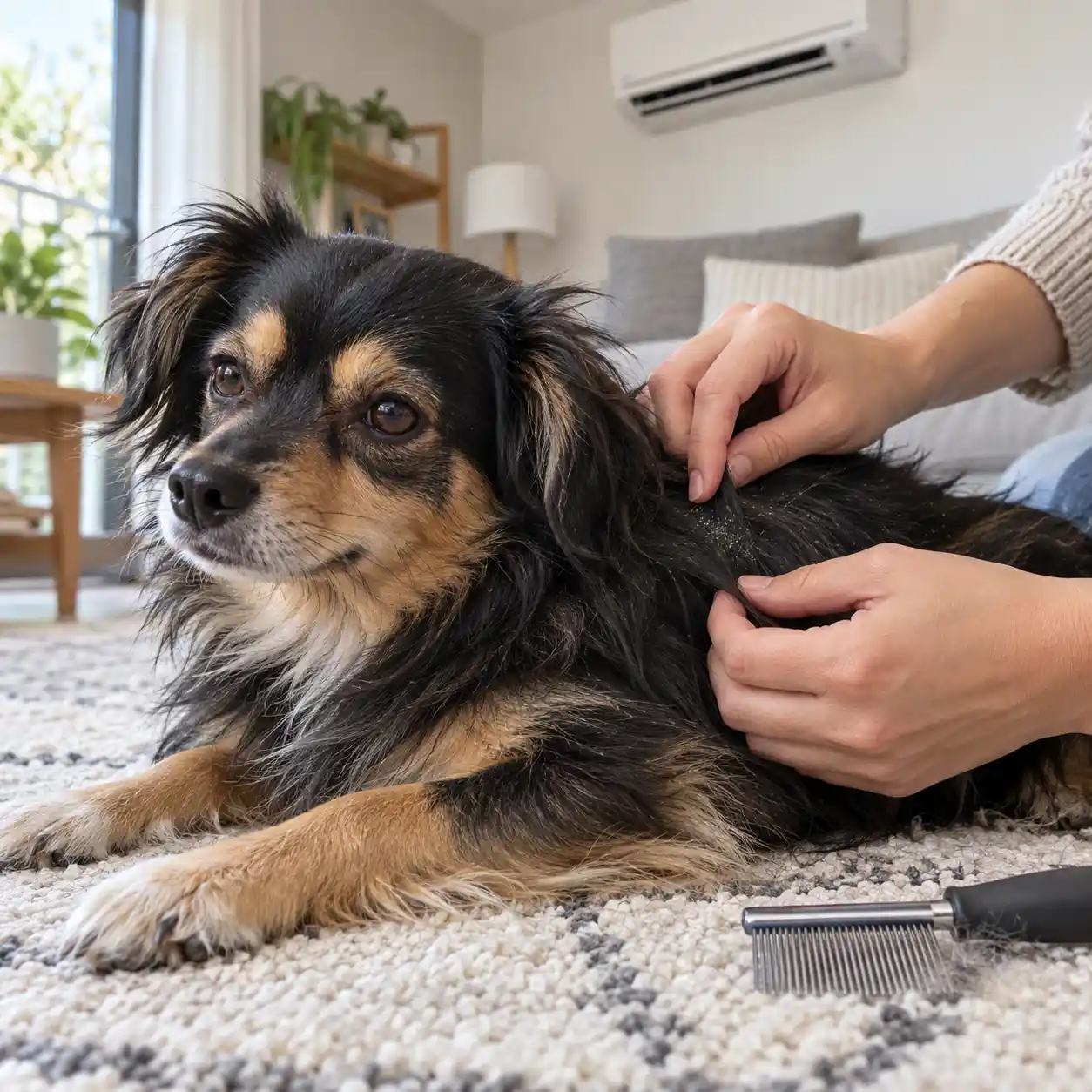
A dull or patchy coat, persistent shedding, or tangled fur often means your dog needs extra care. When your dog’s diet falls short, grooming needs tend to increase to manage matting or skin irritation.
Best Grooming Practices for Dogs with Nutritional Coat Concerns
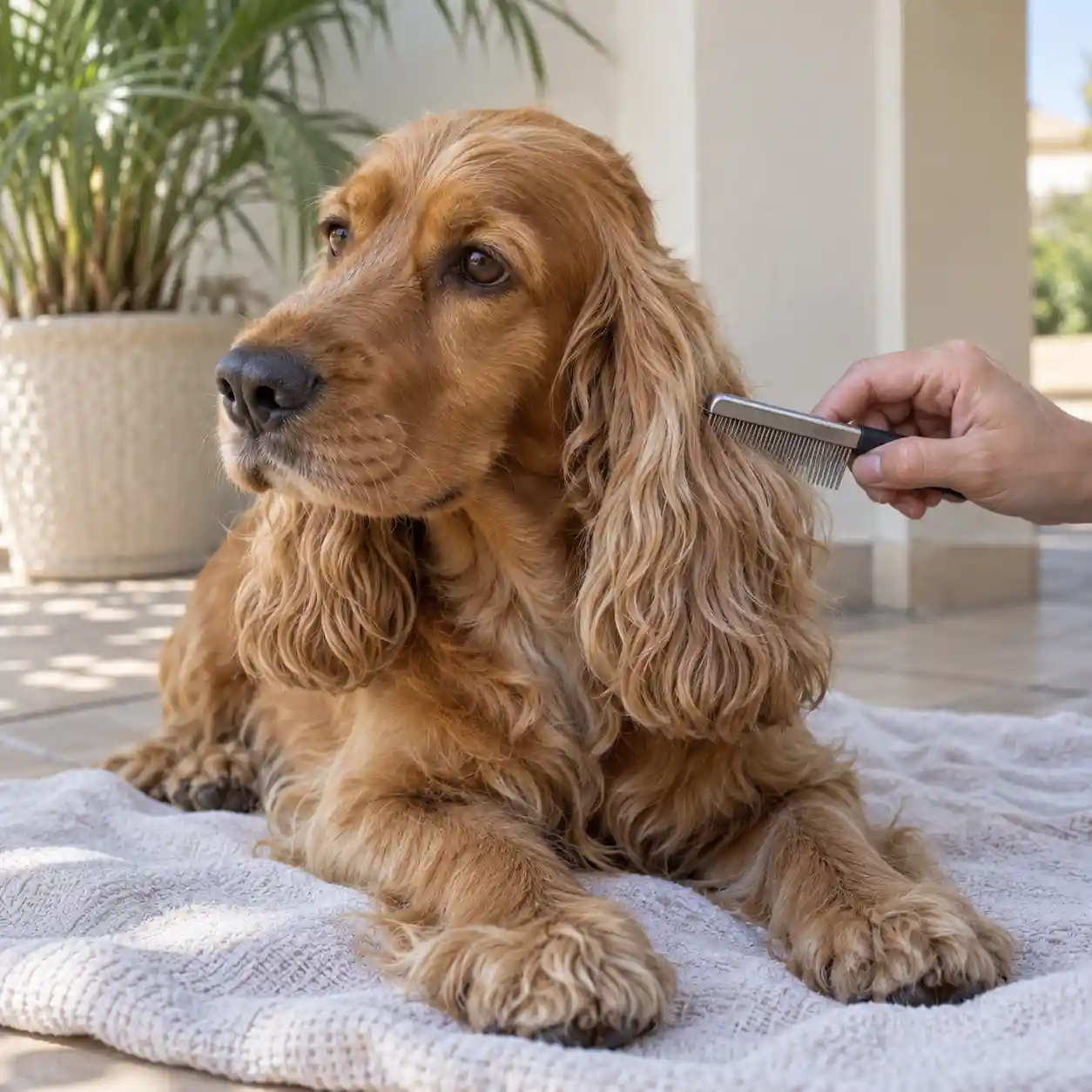
- Brush regularly to prevent mats, especially if your dog tends to shed or has dry fur
- Use moisturizing shampoos to soothe flaky skin
- Reduce bathing to prevent natural oils from getting stripped
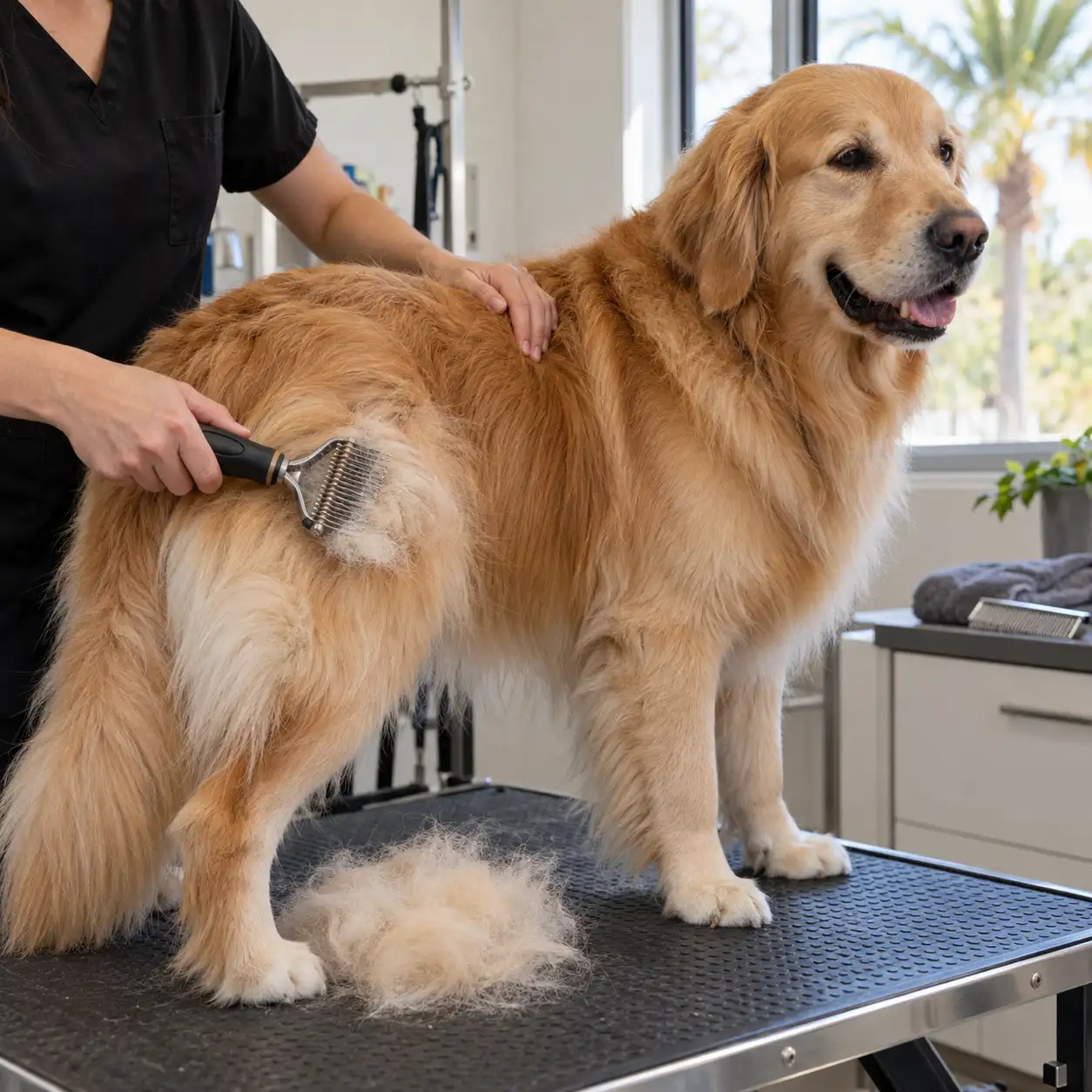
- Consider professional grooming if knots and dry skin persist
Dog grooming tips are important for all breeds and coat types.
How Diet Helps Groom Better
A balanced diet does improve the coat’s appearance; besides that, it reduces shedding and matting. Healthy skin is less prone to shedding and converts natural oils to keep fur smooth; therefore, feeding well makes groomers do less work in less time.
Final Thoughts
Dogs can eat chikoo in small amounts, but it should be for very rare occasions because of its high sugar content and the hazard posed by seeds. Watching your dog for any adverse effects is key when introducing chikoo.
Diet is very important in keeping that coat shiny and healthy on your dog. Essential fats, proteins, and vitamins are going to prevent the most common coat issues as well as reduce some grooming work. Balanced nutritional advice supplemented if necessary will make that coat look its very best and keep those grooming needs manageable.
Always consult with your vet before introducing new foods like chikoo to your dog’s diet or making any significant changes in their nutritional intake. A well-fed dog is a happy dog and ready to flaunt its proudly shiny coat, especially after professional dog grooming in Abu Dhabi.
Frequently Asked Questions
Can puppies eat chikoo?
It’s best to wait until a puppy is fully weaned and eating solid food comfortably, then introduce chikoo in very small amounts, seeds and skin removed, and watch for any reaction.
How much chikoo is safe for a dog per day?
A teaspoon for small dogs or a tablespoon for large breeds, offered occasionally, not daily.
Is chikoo safe for diabetic or overweight dogs?
No. Chikoo is high in natural sugar, so it’s best avoided for dogs managing diabetes or weight issues.
What fruits should dogs never eat?
Grapes, raisins, and cherry pits are toxic to dogs and should never be offered, even in small amounts.
Does diet really affect how much grooming my dog needs?
Yes. Dogs on a nutrient-poor diet often shed more and develop dry, matted, or flaky coats, which means more frequent brushing and bathing to manage.