
Rabies is a serious viral disease, but concerns about catching it through routine pet grooming often come from misunderstanding how the virus is transmitted. For most grooming appointments, the act of bathing, brushing, trimming, or nail clipping does not by itself transmit rabies. The meaningful risk arises when saliva or nervous-system tissue from an infected animal comes into contact with broken skin or mucous membranes, most commonly through a bite. In this guide, we’ll separate common grooming-related myths from established facts and explain what pet owners and groomers should know about rabies exposure, vaccination, and safe handling.
Understanding Rabies Transmission
Rabies is a viral disease that affects the central nervous system and is almost always fatal once symptoms appear. It is primarily spread through the saliva of infected animals, usually via bites, scratches, or open wounds. The virus must enter the bloodstream or mucous membranes to cause an infection.
How Rabies Actually Spreads
What Health Authorities Say According to the World Health Organization, rabies spreads almost exclusively through the saliva of an infected animal entering a bite wound, scratch, or mucous membrane — not through casual contact, fur, or surfaces. The CDC confirms the virus does not survive long outside a living host, which is why routine grooming contact carries virtually no transmission risk.
Common Myths About Rabies and Grooming
Myth 1: Rabies Can Spread Through Pet Fur
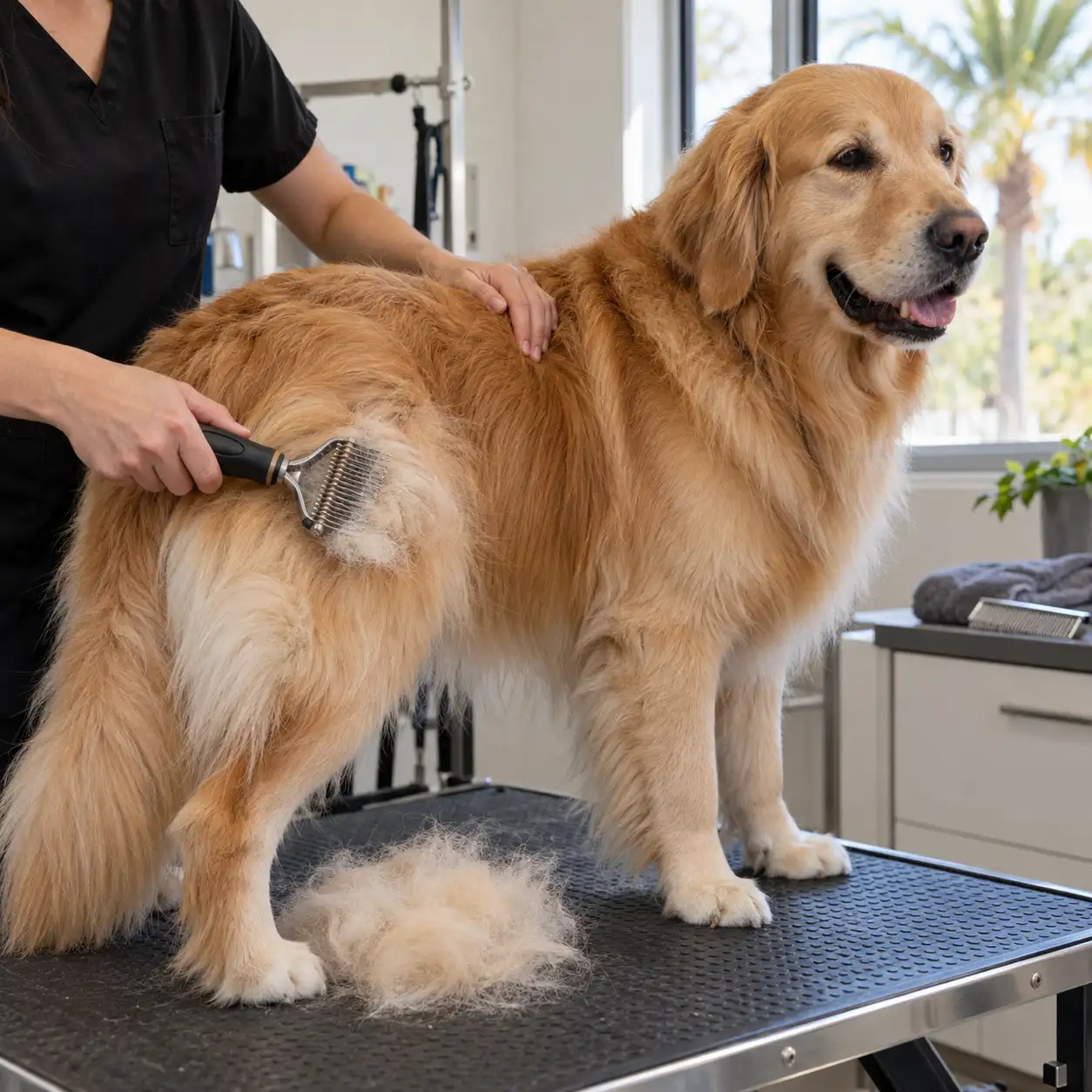
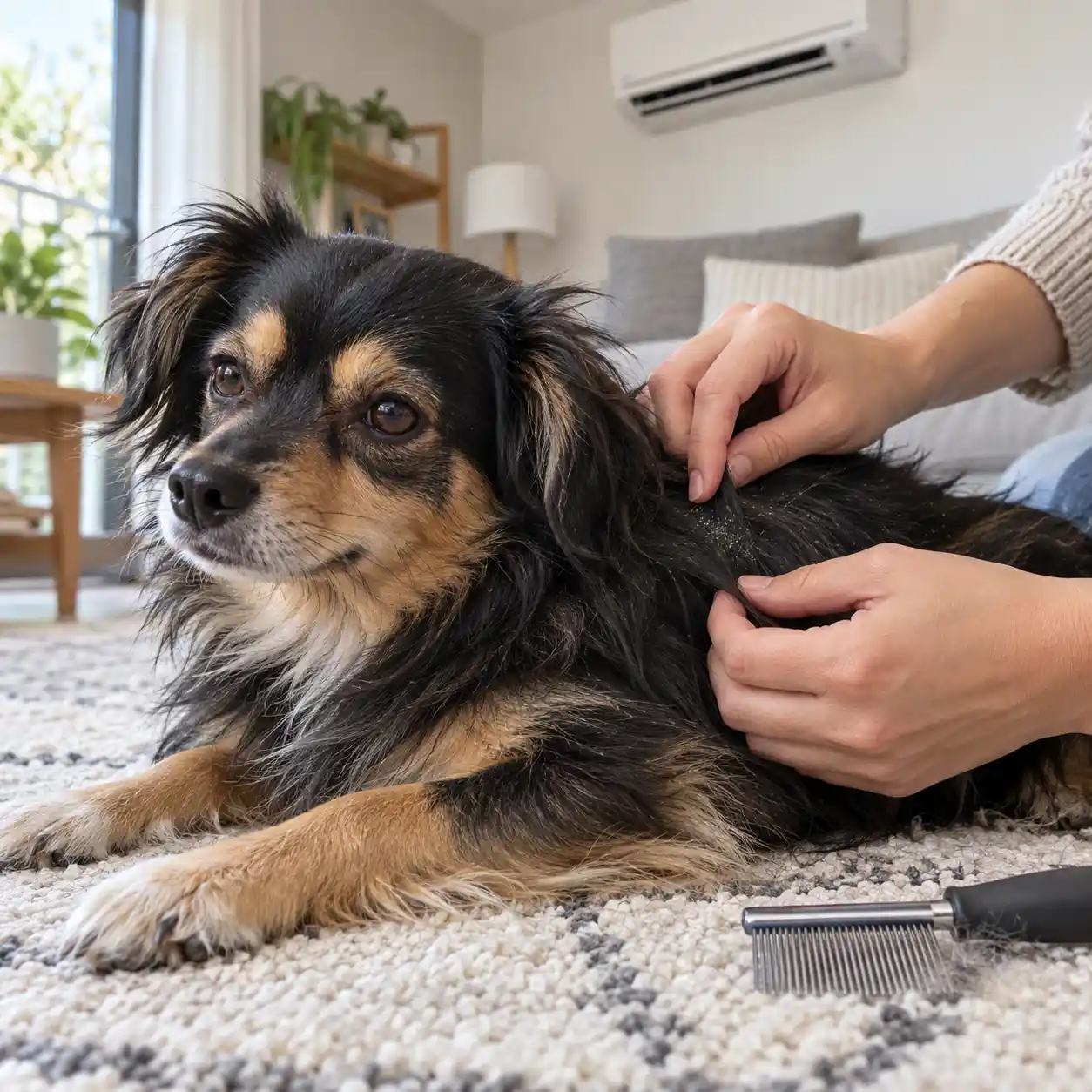
Fact: Rabies cannot be transmitted by touching or grooming a dog’s fur. The virus does not survive long outside a host, so merely petting or grooming an infected animal does not pose a significant risk.
Myth 2: Groomers Can Get Rabies from Dog Saliva on Their Hands
Fact: While rabies is spread through saliva, intact skin provides a natural barrier against the virus. Groomers are only at risk if they have open wounds, cuts, or if saliva enters their eyes, mouth, or nose.
Myth 3: Grooming Tools Can Carry and Spread Rabies
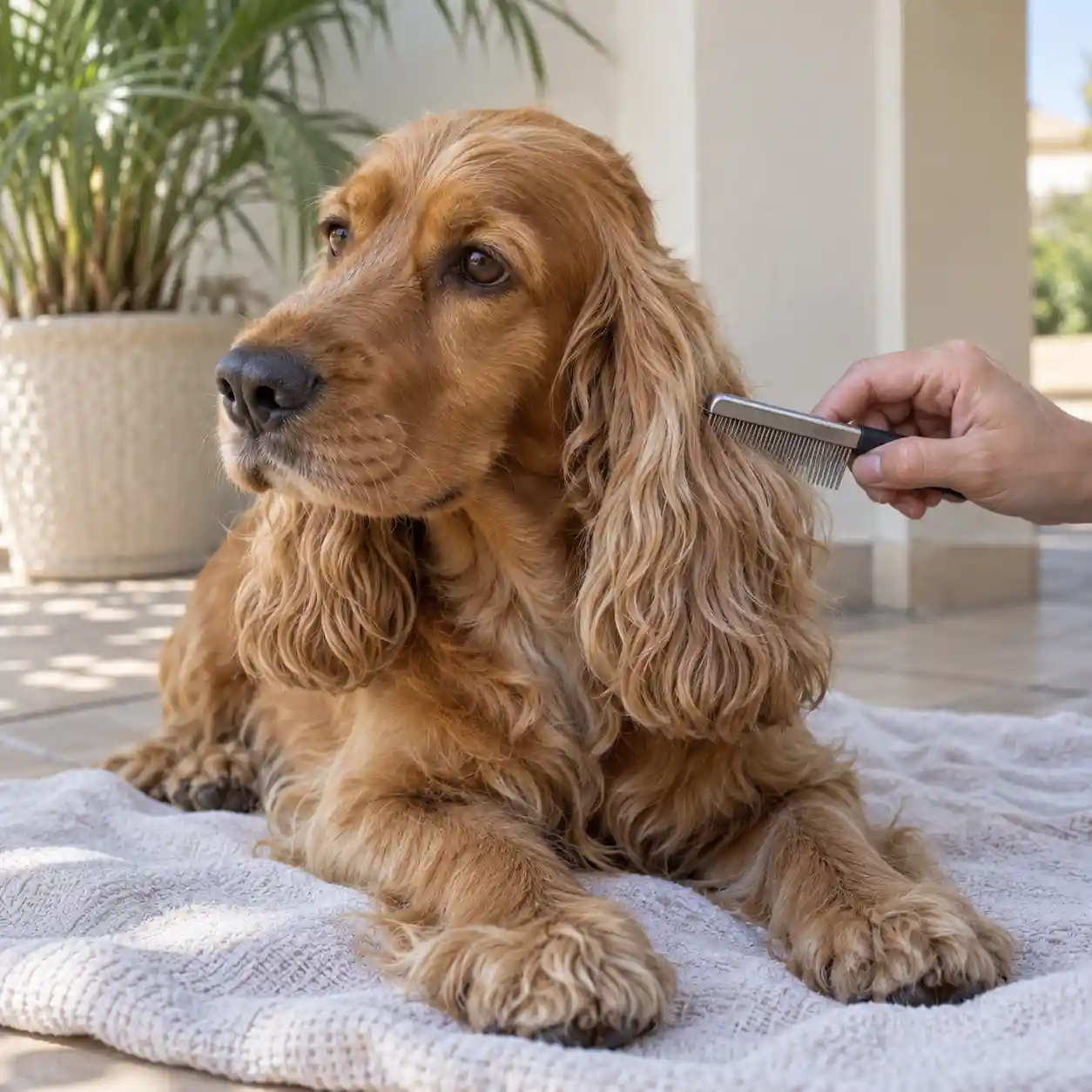
Fact: Rabies does not survive long on surfaces, including grooming tools. Standard sanitation practices, such as disinfecting clippers, brushes, and scissors, effectively eliminate any potential risk.
Myth 4: Bathing an Infected Dog Can Lead to Rabies Transmission
Fact: Simply bathing or handling an infected dog does not lead to rabies transmission unless saliva or nervous tissue from the dog enters an open wound or mucous membranes.
Precautions for Groomers and Pet Owners
While the risk of rabies transmission through grooming is extremely low, it is always best to practice caution. Here are some essential safety measures:
- Ensure pets are vaccinated – Regular rabies vaccinations protect pets and humans.
- Use gloves if handling unknown or stray animals – This minimizes direct contact with saliva.
- Disinfect grooming tools properly – Regular cleaning prevents the spread of other infections.
- Avoid grooming animals showing signs of rabies – If a pet displays aggression, excessive drooling, or neurological symptoms, seek veterinary help immediately.
Conclusion
Rabies is a serious disease, but the fear of it spreading through grooming is largely based on myths rather than facts. With proper vaccination, hygiene, and safety practices, the risk of transmission remains extremely low. Pet owners can rest assured that professional grooming services follow strict protocols to keep both pets and humans safe.
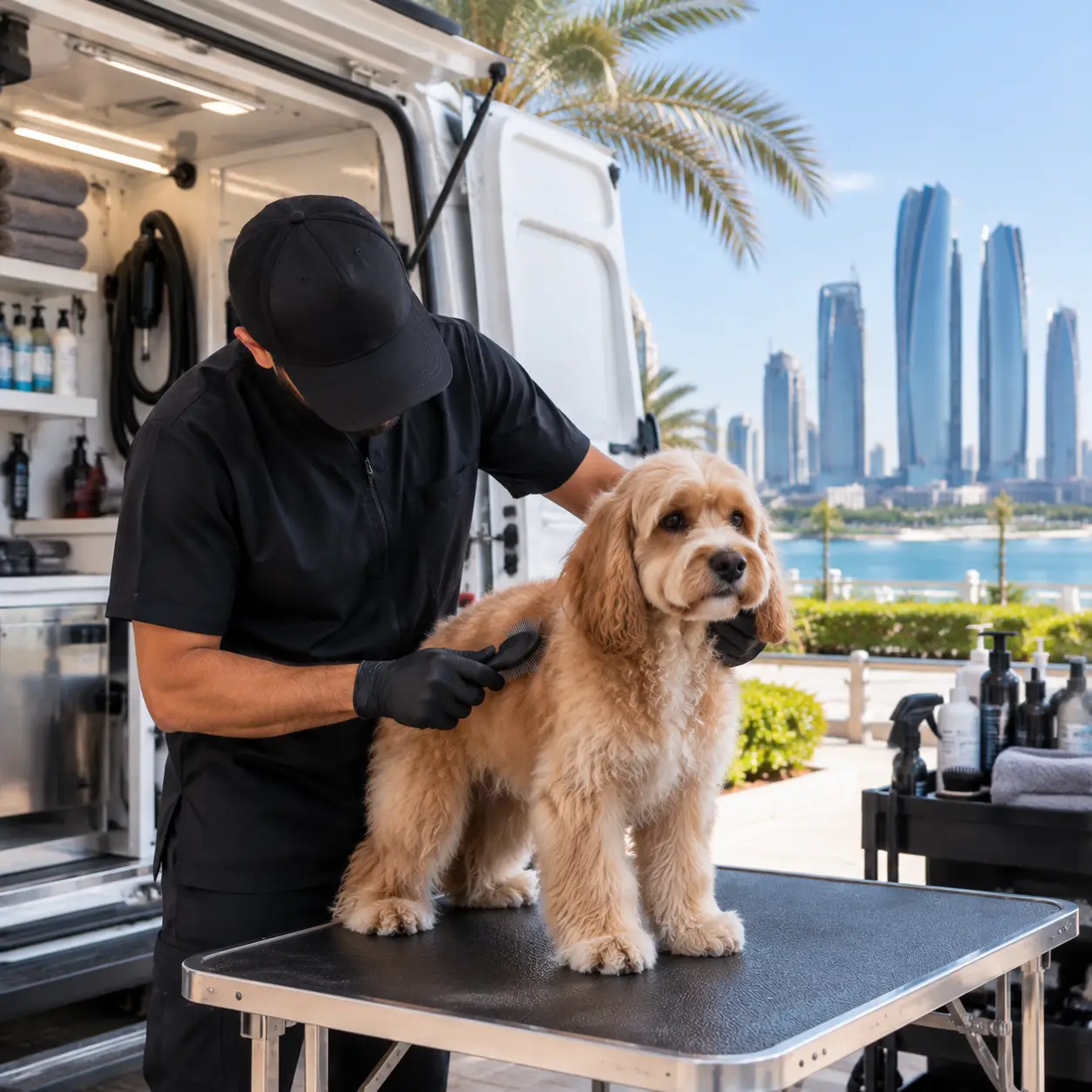
At Crazy Pets, we prioritize pet safety and hygiene while providing top-notch grooming services in Abu Dhabi. Our team of professional groomers ensures a stress-free and safe experience for your pets. Book an appointment with Crazy Pets, the best pet grooming service in Abu Dhabi, and keep your furry friends clean, happy, and healthy!
Frequently Asked Questions
Can I get rabies from brushing a dog’s fur?
No. Rabies spreads through saliva entering a wound or mucous membrane, not through fur or skin contact.
Is it safe to groom a dog that was recently vaccinated?
Yes. Vaccinated pets pose no rabies risk to groomers or family members.
What should I do if my pet is bitten by a stray animal?
Contact your vet immediately for guidance, and avoid grooming the pet until it’s been checked.