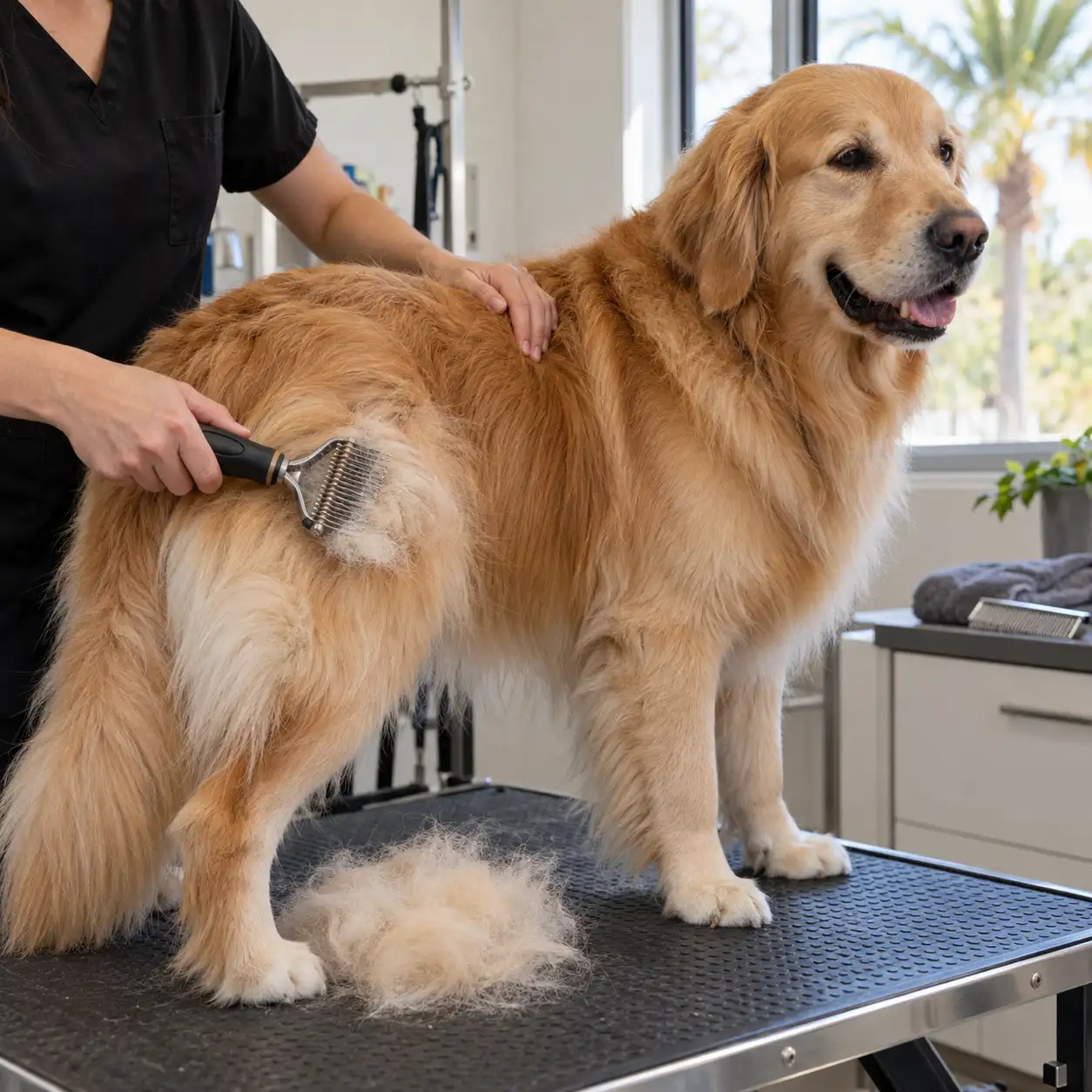

Cats are curious creatures, and sometimes they get into scrapes, cuts, or injuries. As a pet owner, knowing how to care for your cat’s wounds is essential for a fast and safe recovery. With proper care, you can prevent infections, reduce pain, and help your feline friend feel comfortable again. For overall health and hygiene, regular pet grooming in Abu Dhabi can also help keep your cat’s coat clean and reduce the risk of skin issues.
In this guide, we’ll share 7 essential wound care tips for cats to make recovery easier for both you and your furry companion.
1. Keep the Wound Clean
The first and most crucial step is to keep the wound clean.
- Use a mild antiseptic solution or warm water to gently clean the area.
- Stay away from strong chemicals such as hydrogen peroxide or alcohol, since they may harm the tissue and delay healing.
- Carefully dry the area with a clean cloth or gauze.
2. Monitor for Signs of Infection
- Watch for redness, swelling, discharge, or a foul smell; these are signs of infection.
- If you observe any of these signs, reach out to your veterinarian right away.
- Early treatment can prevent serious complications.
- Regular cat grooming in Abu Dhabi can also help you spot skin issues or infections early, keeping your feline healthy.
3. Apply Vet-Approved Ointments
- Your veterinarian may recommend a wound-healing ointment or antibiotic cream.
- Apply it gently to the wound as instructed.
- This supports quicker healing and reduces the risk of infection.
- Never use human medications unless approved by your vet.
4. Prevent Licking or Scratching
- Cats often lick or scratch their wounds, which can delay healing or cause infection.
- Use an Elizabethan collar (cone) or a soft recovery suit to prevent your cat from disturbing the wound.
- Make sure it fits comfortably without restricting breathing or movement.
5. Keep Your Cat Calm and Comfortable
- Stress can slow the healing process.
- Create a calm, cozy, and secure area where your cat can relax.
- Avoid sudden loud noises and limit interactions with other pets until your cat is fully healed.
6. Monitor Food and Water Intake
- During recovery, your cat needs proper nutrition and hydration.
- Ensure your cat is eating and drinking as usual.
- If your cat refuses food or water, it may indicate pain or discomfort, and you should consult your veterinarian.
7. Follow Up with Your Veterinarian
- Some wounds require professional care or stitches.
- Always follow your vet’s instructions regarding dressing changes, medications, or check-ups.
- Regular follow-ups ensure your cat heals properly and prevents complications.
Extra Tips for Faster Recovery
- Trim your cat’s nails carefully to prevent scratching the wound.
- Keep your cat indoors until fully healed.
- Always wash your hands both before and after handling the wound.
- Observe your cat’s behavior; lethargy or unusual aggression can indicate pain or infection.
Conclusion
Caring for your cat’s wounds doesn’t have to be stressful. With these 7 essential wound care tips for cats, you can ensure your furry friend heals quickly, stays safe, and feels loved during recovery. Always remember that prompt attention, cleanliness, and vet guidance are key to a smooth recovery. For cat lovers, these amazing facts about cats that will surprise you can make caring for your feline even more rewarding.