Dogs are naturally curious about food, especially when their owners are eating. While some human foods make suitable occasional treats, others contain substances that can seriously harm a dog’s health. Even familiar ingredients such as chocolate, grapes, onions, and sugar-free sweeteners can cause dangerous reactions.
Knowing which foods toxic to dogs should be kept out of reach is essential for preventing accidental poisoning. Some foods affect the kidneys or liver, while others interfere with blood circulation, digestion, or the nervous system.
This guide explains which human foods dogs should avoid, how different ingredients affect their bodies, the warning signs of poisoning, and what to do if your dog eats something dangerous.
What Foods Can Dogs Not Eat?
Certain foods should never be intentionally given to dogs because their ingredients can cause poisoning or other serious health complications.
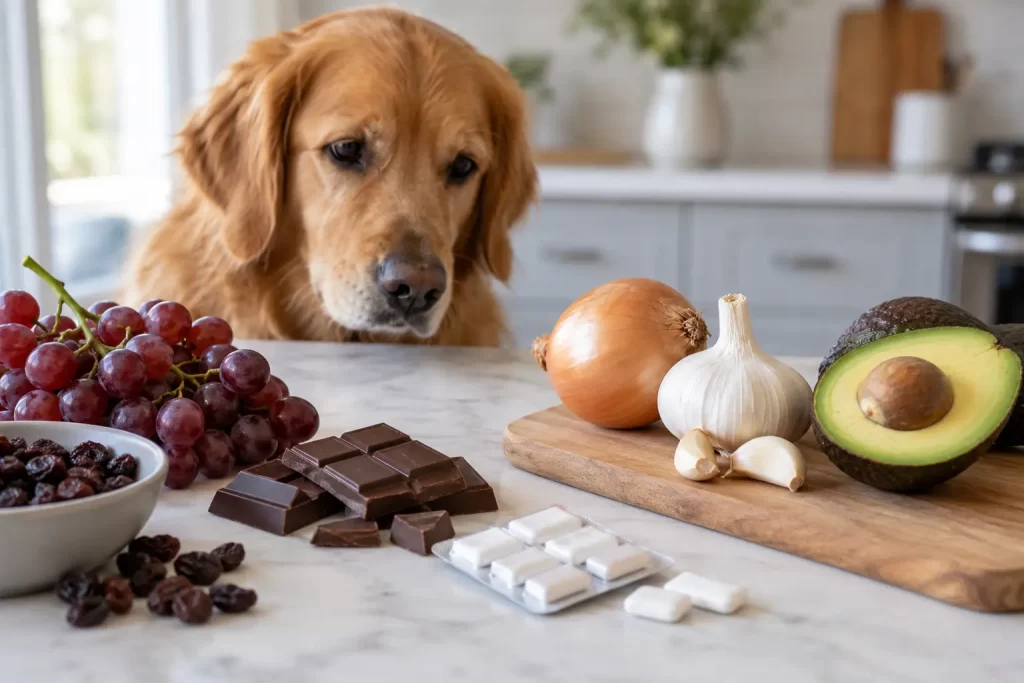
The following table provides a quick overview of common food hazards.
| Food | Why it is dangerous |
| Chocolate | Contains theobromine and caffeine, which can affect the heart and nervous system |
| Grapes and raisins | Can cause acute kidney injury |
| Onions and garlic | Can damage red blood cells and cause anemia |
| Xylitol | Can cause dangerously low blood sugar and liver injury |
| Macadamia nuts | Can cause weakness, tremors, and overheating |
| Coffee and caffeinated drinks | Can cause abnormal heart rhythms and seizures |
| Alcohol | Can affect breathing, coordination, and consciousness |
| Raw yeast dough | Can expand inside the stomach and produce alcohol |
| Excessively salty foods | Can cause sodium poisoning |
| High-fat leftovers | Can trigger digestive illness or pancreatitis |
These food-related hazards are recognized by veterinary organizations, including the ASPCA and FDA.
FDA+1
10 Toxic Foods for Dogs and Their Health Risks
Not all dangerous foods affect dogs in the same way. Understanding how each ingredient works helps explain why even apparently small exposures sometimes require immediate veterinary care.
1. Chocolate
Chocolate contains theobromine and caffeine, two substances that dogs process more slowly than humans.
The amount of these compounds varies significantly between chocolate products. Dark chocolate, cocoa powder, and unsweetened baking chocolate generally contain higher concentrations than milk chocolate.
Chocolate poisoning may cause:
- Vomiting and diarrhea
- Restlessness or excessive panting
- Increased heart rate
- Muscle tremors
- Seizures in severe cases
The risk depends on the type of chocolate, the amount eaten, and the dog’s body weight. White chocolate contains much less theobromine but can still cause problems because of its fat and sugar content.
Never assume that chocolate is safe simply because the amount appears small.
2. Grapes and Raisins
Grapes and raisins are particularly concerning because dogs vary considerably in their sensitivity to these fruits.
In susceptible dogs, ingestion can cause acute kidney injury, potentially leading to kidney failure.
Tartaric acid and its salts are considered likely contributors to grape toxicity, although the exact risk cannot be predicted for an individual dog.
Fresh grapes, dried raisins, sultanas, and foods containing them should be avoided.
A dog that has eaten even one grape or raisin should receive immediate veterinary advice rather than being monitored at home without guidance.
3. Onions, Garlic, Leeks, and Chives
Onions, garlic, leeks, and chives belong to the Allium family.
They contain compounds that can damage red blood cells, reducing their ability to carry oxygen throughout the body.
This can lead to hemolytic anemia, a condition in which red blood cells are destroyed faster than the body can replace them.
Potential warning signs include weakness, pale gums, rapid breathing, and dark urine.
Importantly, cooking does not eliminate the risk. Onion powder, garlic powder, and heavily seasoned meals may also contain harmful concentrations.
4. Xylitol and Sugar-Free Products
Xylitol is an artificial sweetener alternative commonly used in certain sugar-free products. It may also appear on ingredient labels as birch sugar or wood sugar.
Products that may contain xylitol include chewing gum, sweets, toothpaste, baked goods, and some nut butters.
When dogs consume xylitol, it can trigger a rapid release of insulin, causing blood sugar to fall dangerously low.
More serious exposures may also cause liver damage.
Symptoms can include vomiting, weakness, difficulty standing, trembling, and seizures.
The FDA warns that signs can begin quickly and emphasizes the importance of immediate veterinary attention.
FDA
5. Macadamia Nuts
Macadamia nuts are among the less obvious poisonous foods for dogs.
They can cause neurological and muscular symptoms, including weakness, particularly in the hind legs.
Other symptoms may include vomiting, tremors, difficulty walking, and increased body temperature.
Although many affected dogs recover with appropriate veterinary care, macadamia nut poisoning should not be dismissed as harmless.
6. Coffee, Tea, and Energy Drinks
Caffeine is a stimulant that can seriously affect dogs.
It may be present in coffee grounds, tea bags, energy drinks, caffeine tablets, and certain desserts.
Excessive caffeine exposure can cause agitation, rapid breathing, abnormal heart rhythms, tremors, and seizures.
Concentrated caffeine products pose a particularly serious risk.
Keep coffee grounds, discarded tea bags, and caffeinated supplements away from dogs.
7. Alcohol
Alcohol affects a dog’s nervous system and can cause severe poisoning.
Dogs may be exposed through alcoholic drinks, food prepared with alcohol, or accidentally consumed fermented products.
Symptoms include vomiting, poor coordination, weakness, low body temperature, and breathing difficulties.
Severe alcohol poisoning can lead to unconsciousness or life-threatening complications.
8. Raw Yeast Dough
Unbaked bread dough containing active yeast creates two potential hazards.
First, the dough can continue expanding after reaching the stomach, causing painful swelling.
Second, yeast fermentation produces alcohol, which can enter the bloodstream and cause poisoning.
Affected dogs may develop abdominal distension, discomfort, weakness, or symptoms resembling alcohol intoxication.
Raw yeast dough ingestion requires urgent veterinary assessment.
9. Excessively Salty Foods
Dogs require sodium as part of a balanced diet, but consuming excessive amounts can be dangerous.
Large quantities of table salt, highly concentrated bouillon, or heavily salted foods can cause sodium poisoning.
Potential symptoms include vomiting, excessive thirst, diarrhea, tremors, and seizures.
Ordinary small amounts of dietary sodium are different from excessive salt exposure. The concern is the amount consumed relative to the dog’s size and health.
10. Fatty Foods and Table Scraps
Rich, greasy foods are not always directly toxic, but large amounts can cause serious digestive problems.
Fatty meat trimmings, fried foods, and heavily buttered leftovers may trigger vomiting, diarrhea, or pancreatitis.
Pancreatitis is an inflammatory condition affecting the pancreas and can cause severe abdominal pain, dehydration, and other complications.
Dogs with a history of pancreatitis may be particularly vulnerable to high-fat meals.
Human Foods Dogs Should Avoid in Everyday Meals
Some foods that are dangerous for dogs are not immediately recognizable because potentially harmful ingredients are mixed into everyday meals.
For example, a small serving of plain cooked chicken may be suitable for many dogs, while chicken prepared with garlic, onions, rich sauces, or cooked bones introduces additional hazards.
Other common examples include:
- Cakes and biscuits: May contain chocolate, raisins, or xylitol.
- Curries and gravies: Frequently contain onion, garlic, salt, and significant amounts of fat.
- Sugar-free snacks: May contain sweeteners that are unsafe for dogs.
- Fruit cakes: Often contain raisins or sultanas.
- Cooked meat bones: May splinter or cause digestive injuries.
- Raw meat and eggs: Can carry harmful bacteria, including Salmonella and E. coli.
These examples illustrate why checking the complete ingredient list matters more than recognizing the main food.
For more information about fruit safety, read Can Dogs Eat Chikoo?, including precautions for feeding chikoo and removing its seeds.
Are All Human Foods Harmful to Dogs?
No. Many ordinary foods can be suitable for dogs when prepared correctly and served in appropriate amounts.
The important distinction is between foods that are toxic, foods that may cause digestive problems, and foods that are generally safe as occasional treats.
| Generally safe food | Preparation advice |
| Carrots | Wash and cut into bite-sized pieces |
| Apples | Remove the core and seeds |
| Blueberries | Serve plain in small portions |
| Plain chicken | Cook thoroughly without seasoning or bones |
| Pumpkin | Use plain cooked pumpkin without additives |
| Green beans | Serve plain, without salt or sauces |
| Watermelon | Remove the rind and seeds |
Even safe foods should not replace a complete and balanced dog diet.
A dog’s age, size, digestive health, and medical conditions also influence which treats are appropriate.
For more guidance on balanced nutrition and suitable food choices, explore the best food for pets.
What Are the Signs of Food Poisoning in Dogs?
Food poisoning symptoms vary depending on the substance involved, the amount consumed, and the dog’s individual sensitivity.
Some reactions appear rapidly, while others develop several hours or even days after ingestion.
Digestive symptoms
Early signs may include vomiting, diarrhea, excessive drooling, reduced appetite, or abdominal discomfort.
These symptoms are not specific to poisoning, but they should never be ignored after a known exposure to a dangerous food.
Neurological symptoms
Certain substances affect the nervous system and may cause:
- Unusual restlessness
- Muscle tremors
- Difficulty walking
- Weakness or collapse
- Seizures
Other serious warning signs
Additional symptoms may include pale gums, abnormal breathing, irregular heartbeat, changes in urination, or extreme lethargy.
A dog can also appear normal initially despite having consumed something dangerous.
For example, kidney complications following grape ingestion may develop after the initial exposure.
What Should You Do If Your Dog Eats Toxic Food?
Suspected poisoning requires prompt action. The safest response is to contact a veterinarian immediately rather than waiting for symptoms.
Step 1: Remove the remaining food
Prevent further ingestion by moving the food and packaging out of reach.
Step 2: Identify the substance
Gather as much information as possible about what your dog consumed.
Useful details include the ingredient, estimated amount, time of ingestion, and your dog’s approximate weight.
If the food came from a packet, keep the ingredient label available.
Step 3: Contact a veterinarian
Call your veterinarian or an emergency veterinary hospital and explain the situation.
Follow their instructions about whether immediate examination is required.
Step 4: Avoid home treatments
Do not attempt to make your dog vomit or give salt, oil, milk, activated charcoal, or medication without veterinary instructions.
Depending on the substance and the dog’s condition, these actions may make the situation worse.
Step 5: Follow monitoring instructions
Some dogs require blood tests, fluids, medication, or observation because complications can develop after ingestion.
Follow veterinary guidance even if your dog initially appears well.
How to Prevent Accidental Food Poisoning in Dogs
Most food-related accidents can be reduced through practical household precautions.
Store risky foods securely
Keep chocolate, raisins, sugar-free products, medications, and other dangerous items inside cupboards or containers your dog cannot access.
Keep kitchen waste covered
Dogs may investigate discarded food, bones, wrappers, and leftovers.
Use bins with secure lids and avoid leaving rubbish bags within reach.
Check ingredients before sharing
Packaged foods often contain multiple ingredients. A product that appears harmless may include onion powder, chocolate, raisins, or xylitol.
Avoid feeding from the dining table
Frequently sharing leftovers makes it more difficult to control what a dog consumes.
Use appropriate dog treats instead of offering food directly from your plate.
Teach family members about food hazards
Children, guests, and other household members should understand which foods must not be given to dogs.
Consistent rules help prevent accidental feeding.
Can Food Affect a Dog’s Skin and Coat Health?
Yes. Nutrition plays an important role in maintaining normal skin function and coat growth.
Dogs need adequate protein, essential fatty acids, vitamins, and minerals. A poorly balanced diet can contribute to dry skin, poor coat quality, and other health problems.
However, food poisoning and food allergies are different conditions.
Food poisoning involves harmful substances that can damage the body, while food allergies involve an immune response to particular dietary proteins or other ingredients.
Possible signs of food allergy include persistent itching, recurrent ear inflammation, and certain gastrointestinal symptoms. These signs can also have many other causes.
Owners investigating persistent skin irritation can read more about grooming for pets with allergies, which discusses skin care, bathing practices, and the importance of identifying underlying triggers.
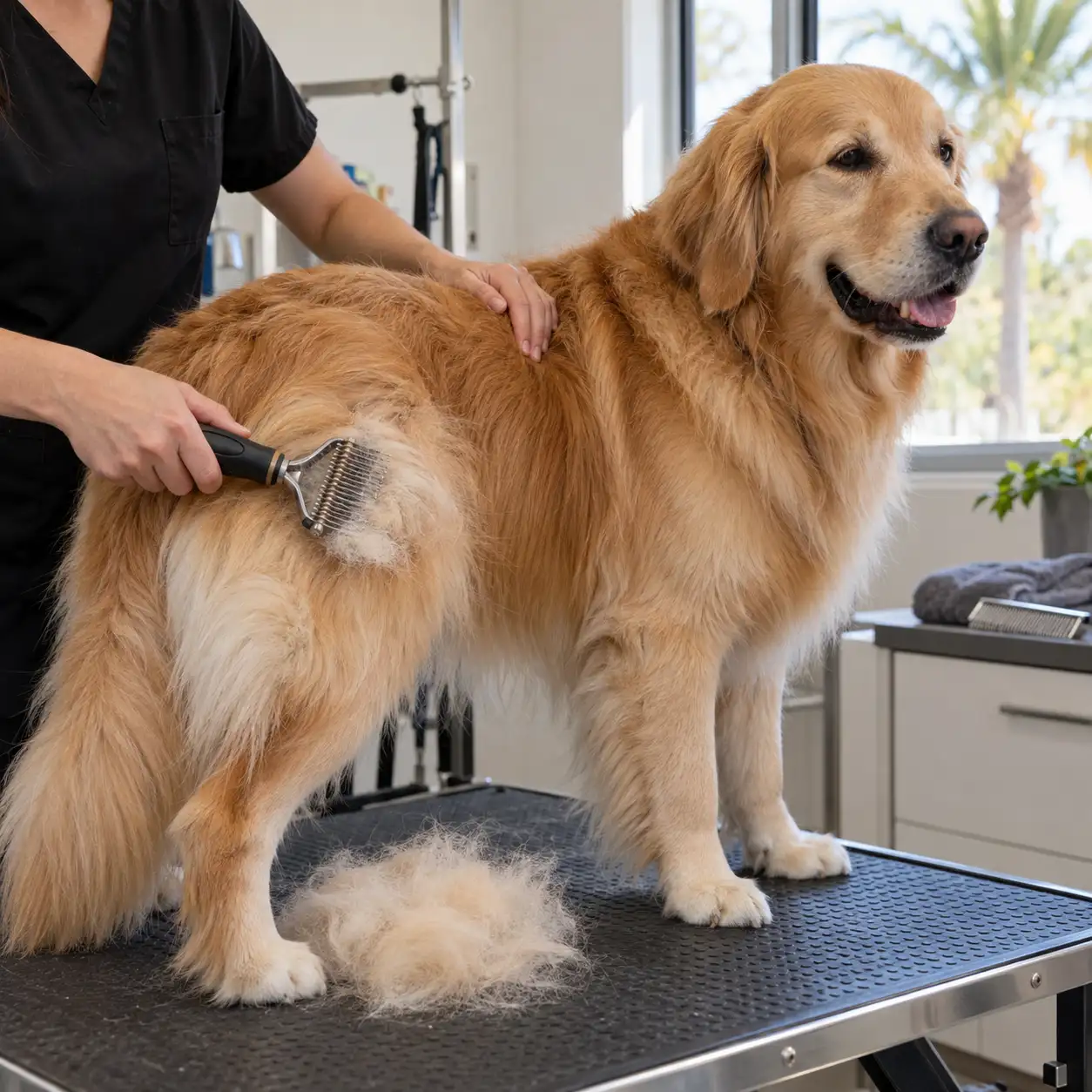
For routine coat maintenance, dog grooming includes practices such as appropriate bathing and brushing. However, grooming does not treat food poisoning or replace veterinary diagnosis of a nutritional problem.
Conclusion
Knowing what foods are toxic to dogs helps owners prevent accidental poisoning and recognize potential emergencies. Chocolate, grapes, raisins, onions, garlic, xylitol, caffeine and alcohol are among the hazards that require particular caution.
Check ingredient labels, avoid unsafe leftovers and keep dangerous foods out of reach. Although some human foods can be suitable occasional treats, preparation, portion size and individual health needs matter.
If your dog eats a potentially toxic food, contact a veterinarian immediately rather than waiting for symptoms. Prompt professional advice can help reduce the risk of serious complications.
Frequently Asked Questions
What is the most toxic food for dogs?
There is no single most dangerous food in every situation. Xylitol, grapes, raisins, chocolate and onions can all cause serious harm. The risk depends on the substance, quantity consumed and the dog’s size and sensitivity.
Can a dog survive after eating chocolate?
Many dogs recover with timely veterinary care, but severe chocolate poisoning can be life-threatening. The outcome depends on the type and amount of chocolate consumed, the dog’s weight and how quickly treatment begins.
Can dogs eat rice?
Plain, thoroughly cooked rice is generally safe for many dogs in appropriate portions. Avoid adding onions, garlic, rich sauces or excessive salt. Rice alone is not a nutritionally complete long-term diet.
Are bananas safe for dogs?
Plain, ripe banana flesh is generally safe in small amounts. Remove the peel and offer banana as an occasional treat rather than a major part of the diet.
Is cheese toxic to dogs?
Most ordinary cheeses are not inherently toxic, but they can contain high levels of fat and salt. Some dogs are also sensitive to lactose. Avoid cheese containing onions, garlic or other harmful ingredients.
Can dogs eat peanut butter?
Some peanut butter products are suitable as occasional treats. Check the ingredient label carefully and never give dogs peanut butter containing xylitol. Choose a plain product without unsafe additives.
How long does food poisoning take to affect a dog?
The timing depends on the substance. Xylitol-related symptoms may appear quickly, while complications associated with grapes, raisins or onions may take longer. Seek veterinary advice immediately after a suspected toxic exposure.
What should I do if my dog eats something dangerous but seems fine?
Contact a veterinarian immediately. Some toxic substances can cause internal damage before visible symptoms appear, so waiting may delay necessary treatment.