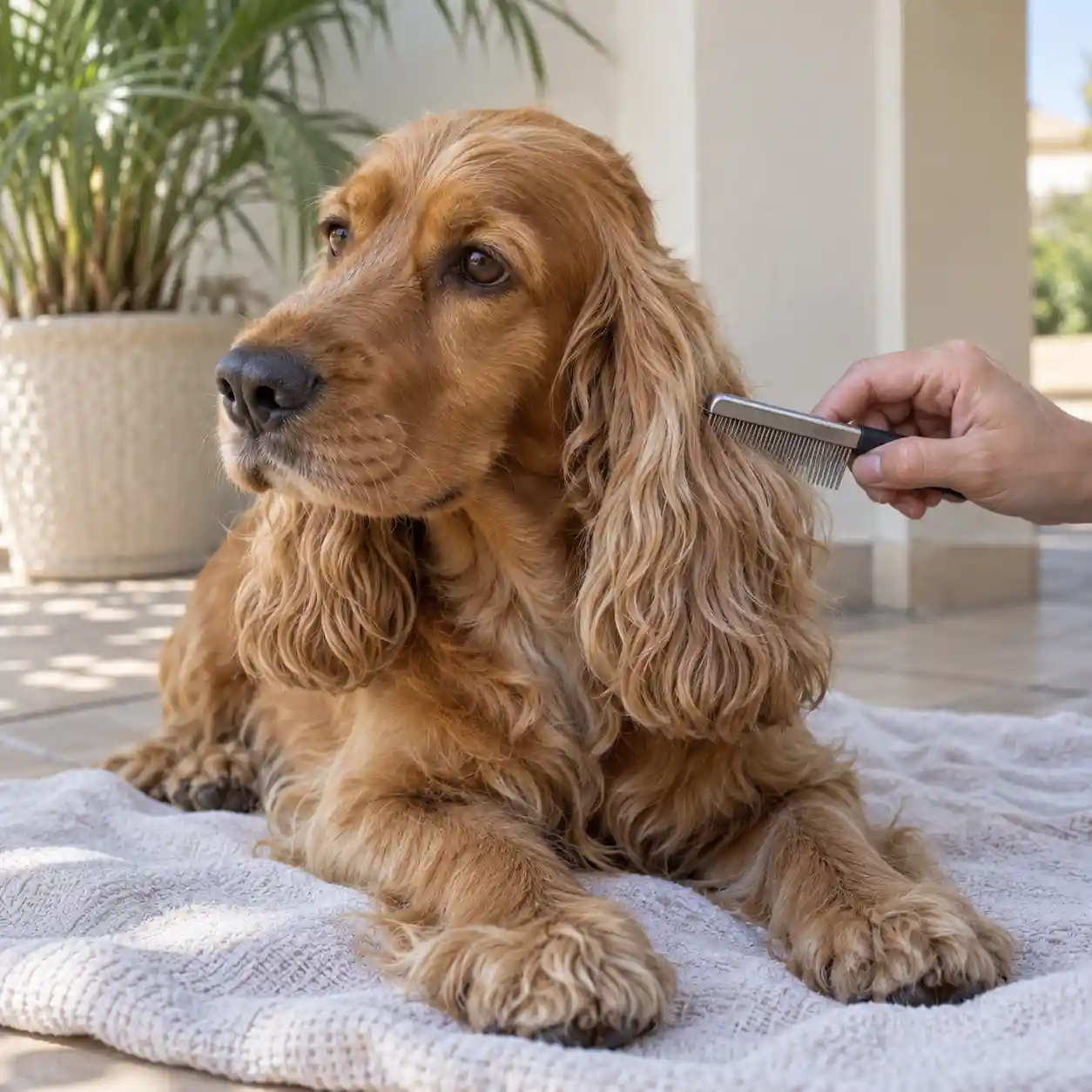
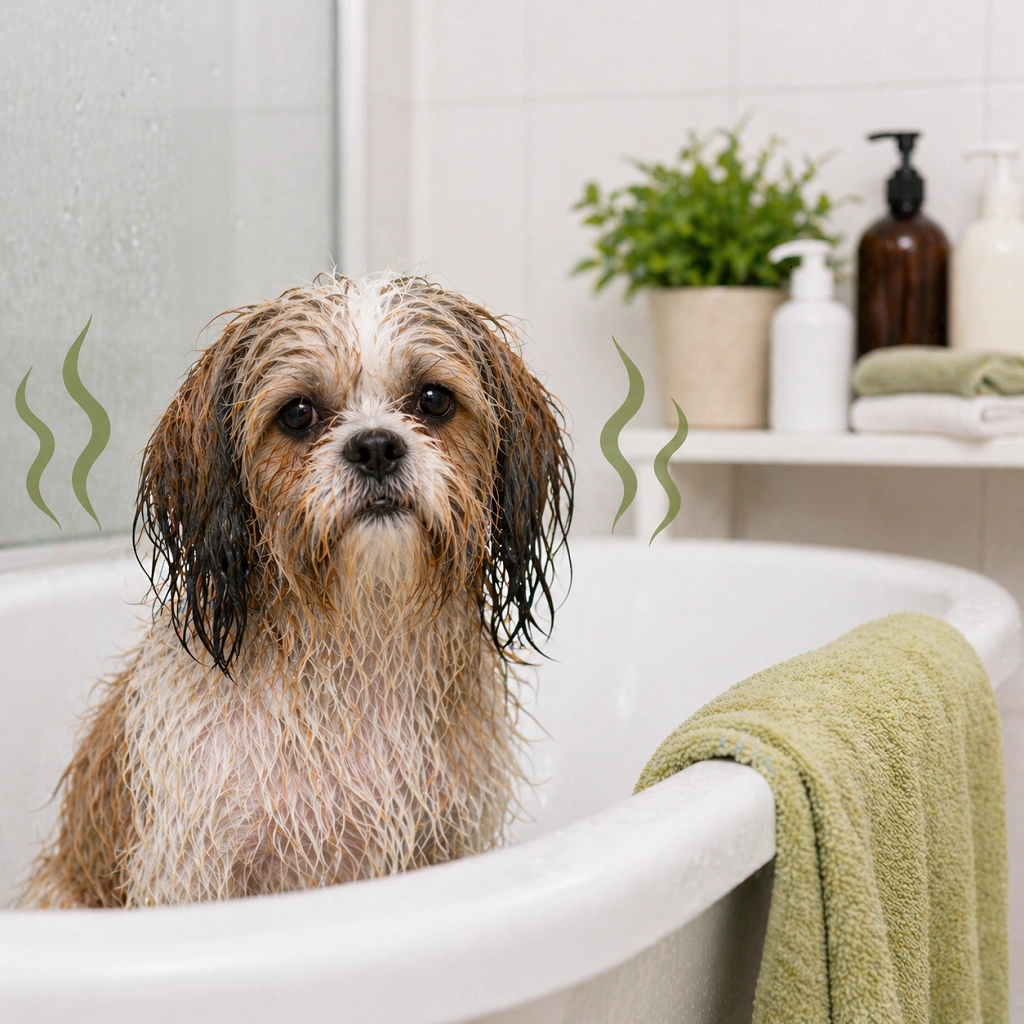
A client brought in her Cocker Spaniel last month, freshly bathed that same morning, and still noticeably smelling within a few hours. She’d tried three different shampoos over two months, convinced she was doing something wrong. The real cause turned out to be trapped moisture in his ears from incomplete drying after baths, not the shampoo at all.
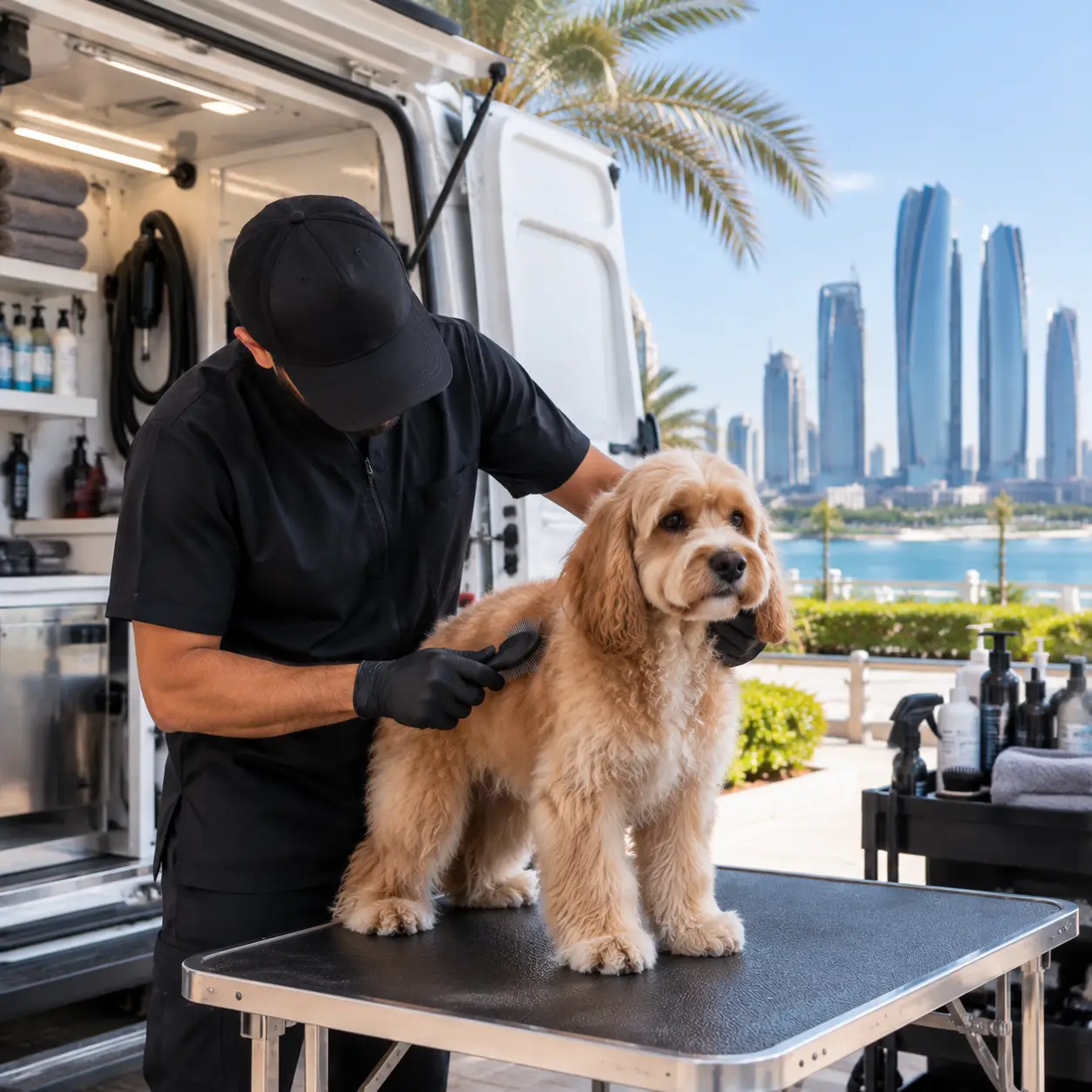
That mismatch, doing everything “right” and still getting a bad smell, is one of the most common frustrations we hear from pet owners. In many cases, the cause isn’t the bath itself, seeking pet grooming in Abu Dhabi that checks the less obvious spots (ears, skin folds, paws) often finds what repeated home baths keep missing.
Understanding Why Pets Still Smell After Bath
Even after regular bathing, odor can remain due to deeper issues that water and shampoo cannot fix. In many cases, the smell returns within a few hours or days.
Skin and Coat Problems
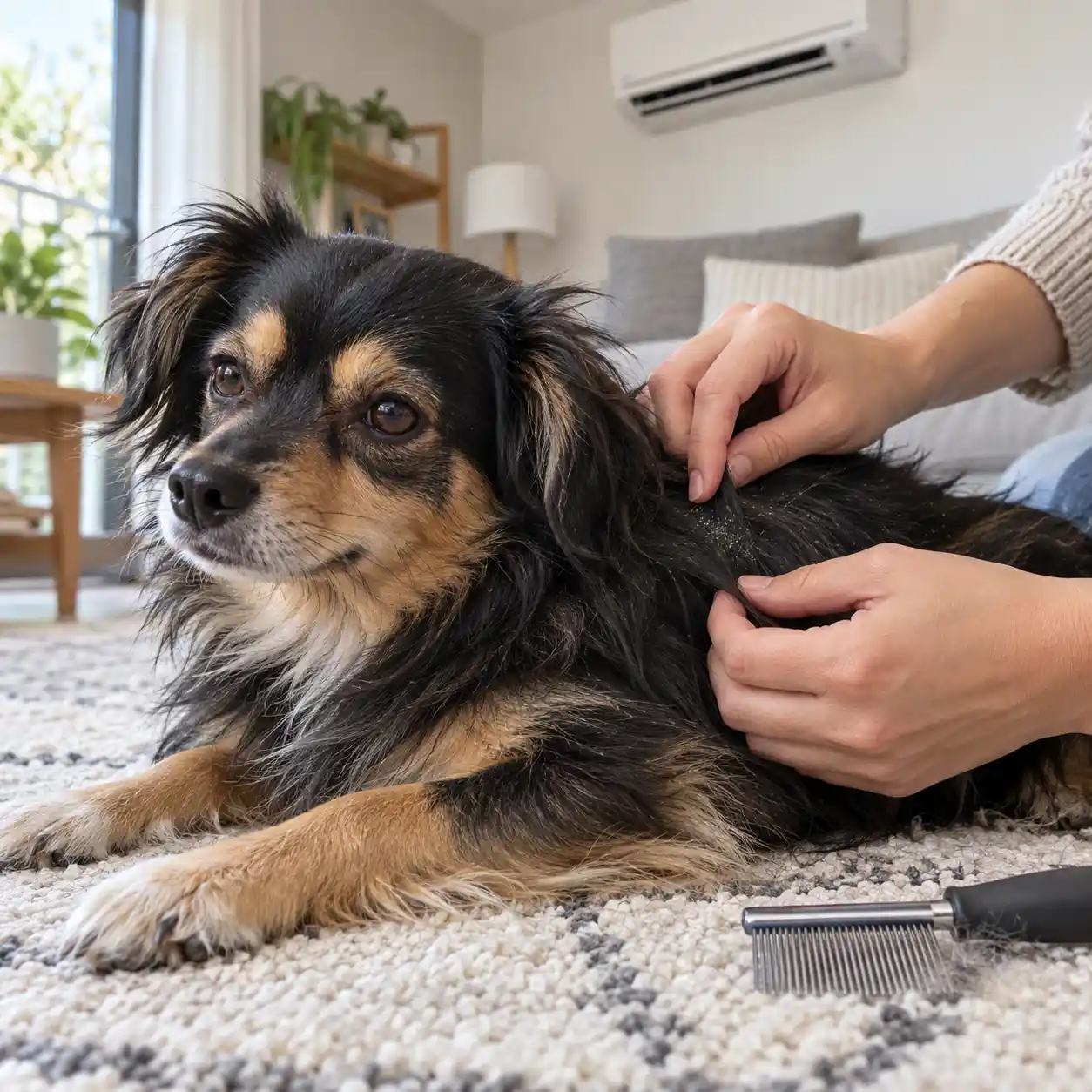
One of the most common reasons for bad odor in pets after a bath is poor skin health. Pets with oily skin, fungal infections, or excessive shedding may continue to produce odor even after cleaning.
Common signs include:
- Greasy or sticky coat
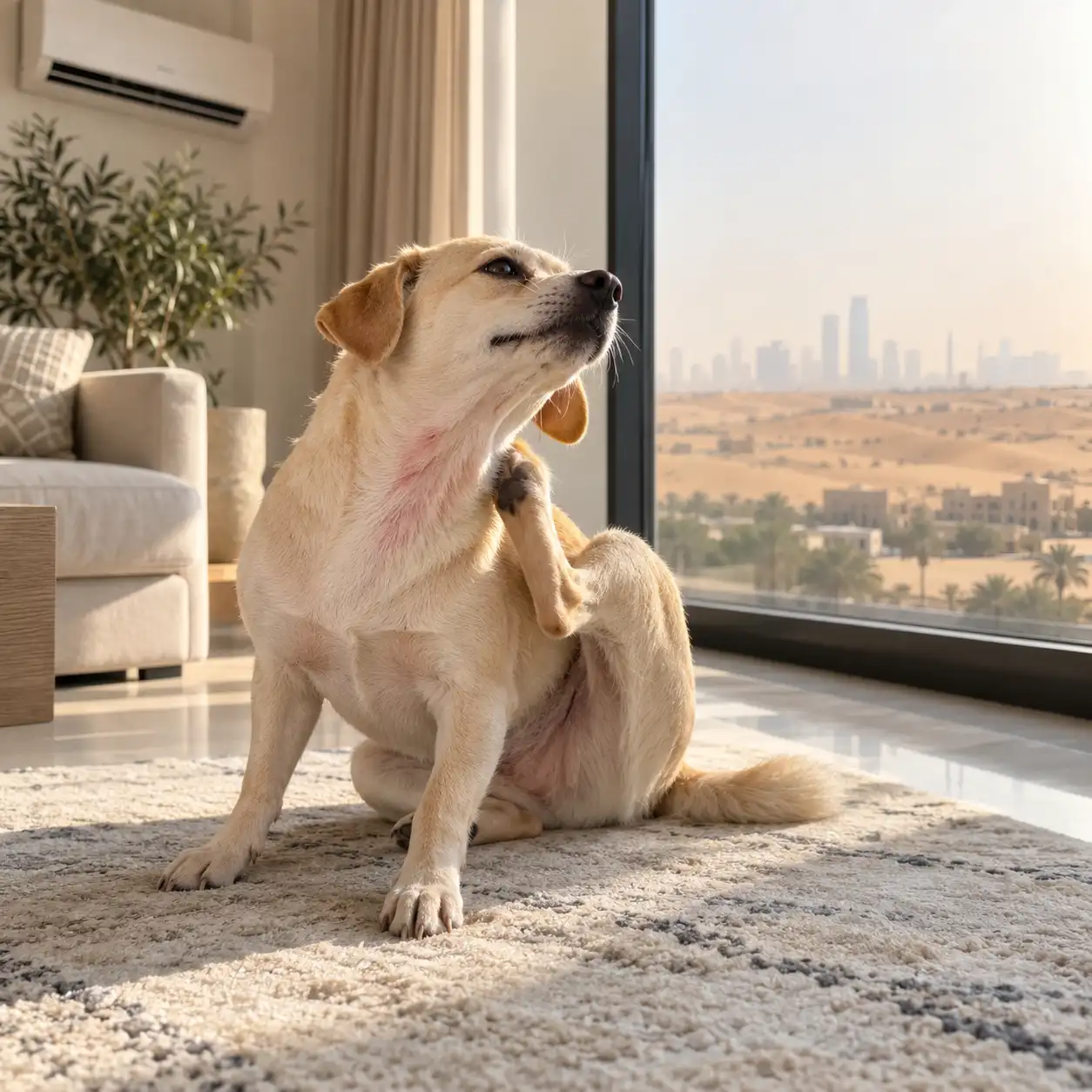
- Red or flaky skin
- Continuous scratching or licking
These symptoms often indicate bacterial or fungal growth that needs proper treatment, and timely cat grooming in Abu Dhabi can help maintain better skin and coat health.
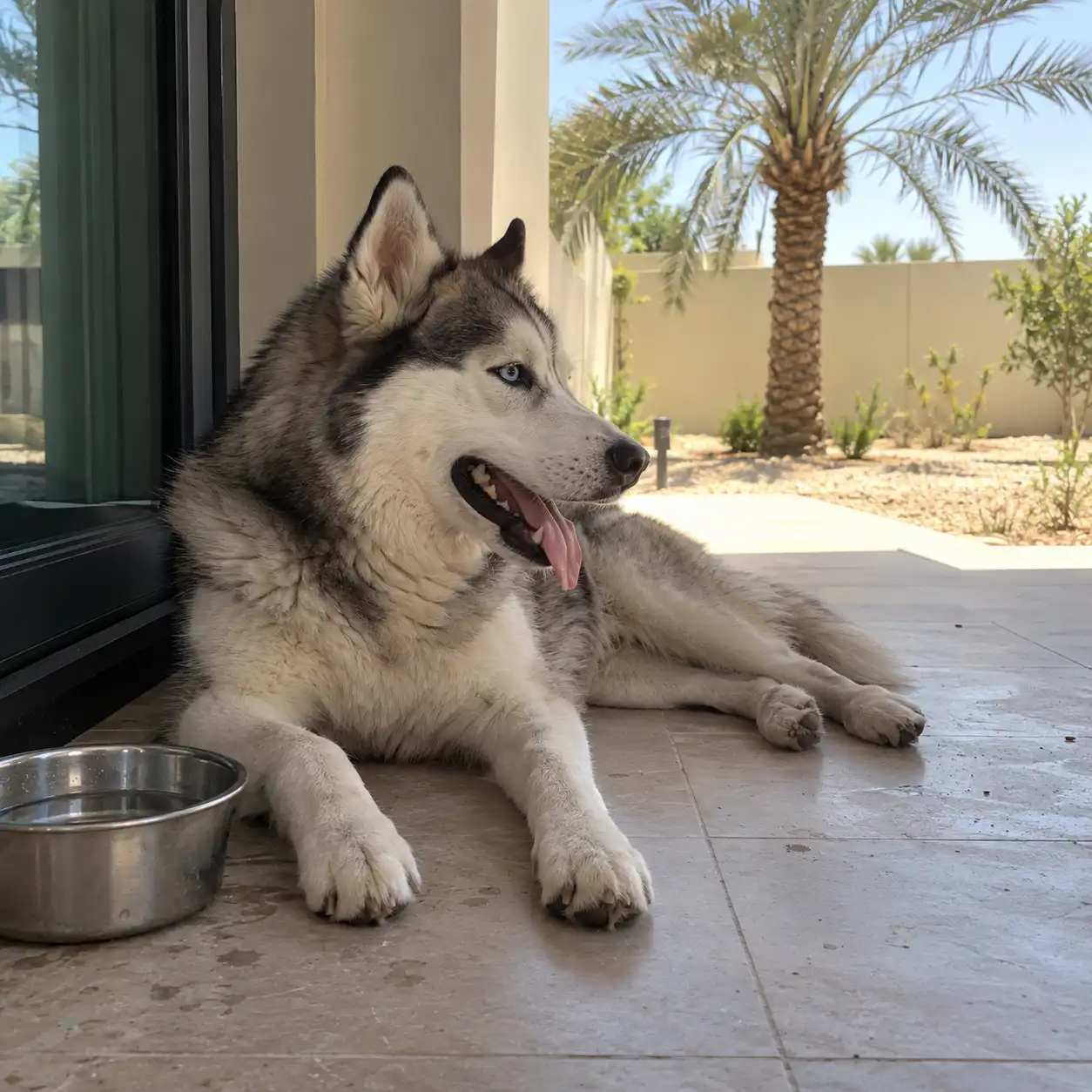
In our experience, this shows up most often in double-coated breeds during the hotter months; the undercoat traps moisture and odor long after the topcoat looks and feels dry.
Ear Infections and Hidden Smell Sources
A strong and unpleasant smell may also come from the ears. An ear infection with a bad smell in a pet’s condition is very common, especially in dogs with floppy ears.
Watch for:
- Dark discharge from the ears
- Frequent head shaking
- Strong foul odor near the head
Ear infections cannot be resolved by bathing alone and require veterinary care.
How Abu Dhabi’s Climate Makes Odor Worse
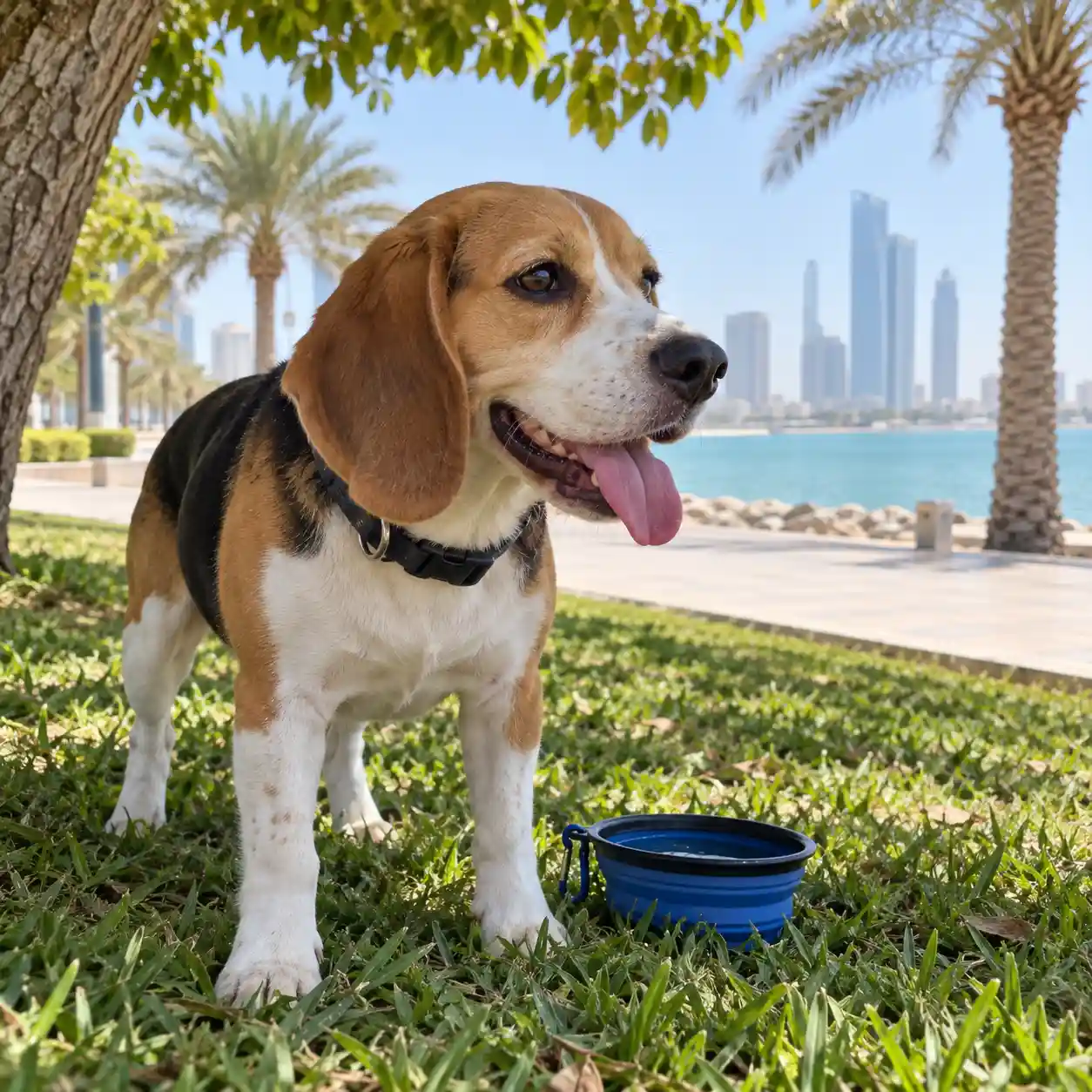
Heat and humidity swings here do more than just make bathing feel like a chore, they actively speed up the conditions that cause persistent odor.
- Heat accelerates bacterial and yeast growth on skin. The warmer environment gives odor-causing organisms a faster environment to multiply in, especially in skin folds or areas that stay damp longer after a bath.
- AC-dried air can trigger the skin to overproduce oil. When indoor air is constantly dry from air conditioning, some pets’ skin compensates by producing more natural oil, which then traps more dirt and bacteria between baths.
- Humidity spikes after outdoor time mean a pet that seemed dry after a bath can end up damp again quickly once they’re outside, even briefly, which restarts the bacterial cycle faster than in a milder climate.
Grooming Mistakes That Cause Persistent Odor
Sometimes the issue is not medical but related to incorrect grooming practices. Improper bathing can trap dirt and bacteria instead of removing them.
Common Grooming Errors
- Using low-quality or unsuitable shampoo
- Not drying the coat properly after a bath
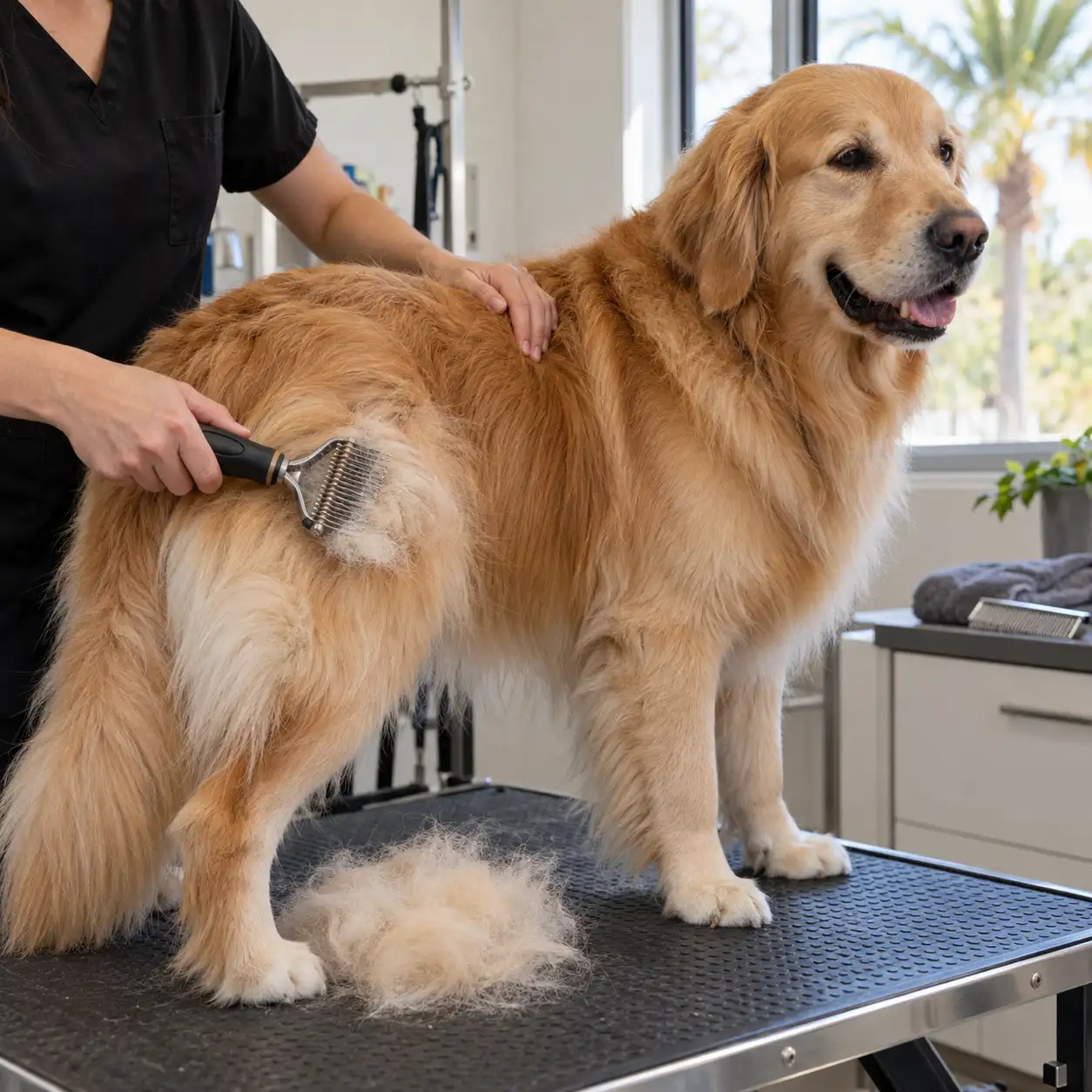
- Skipping deep cleaning of paws, ears, and undercoat
- Infrequent brushing between baths
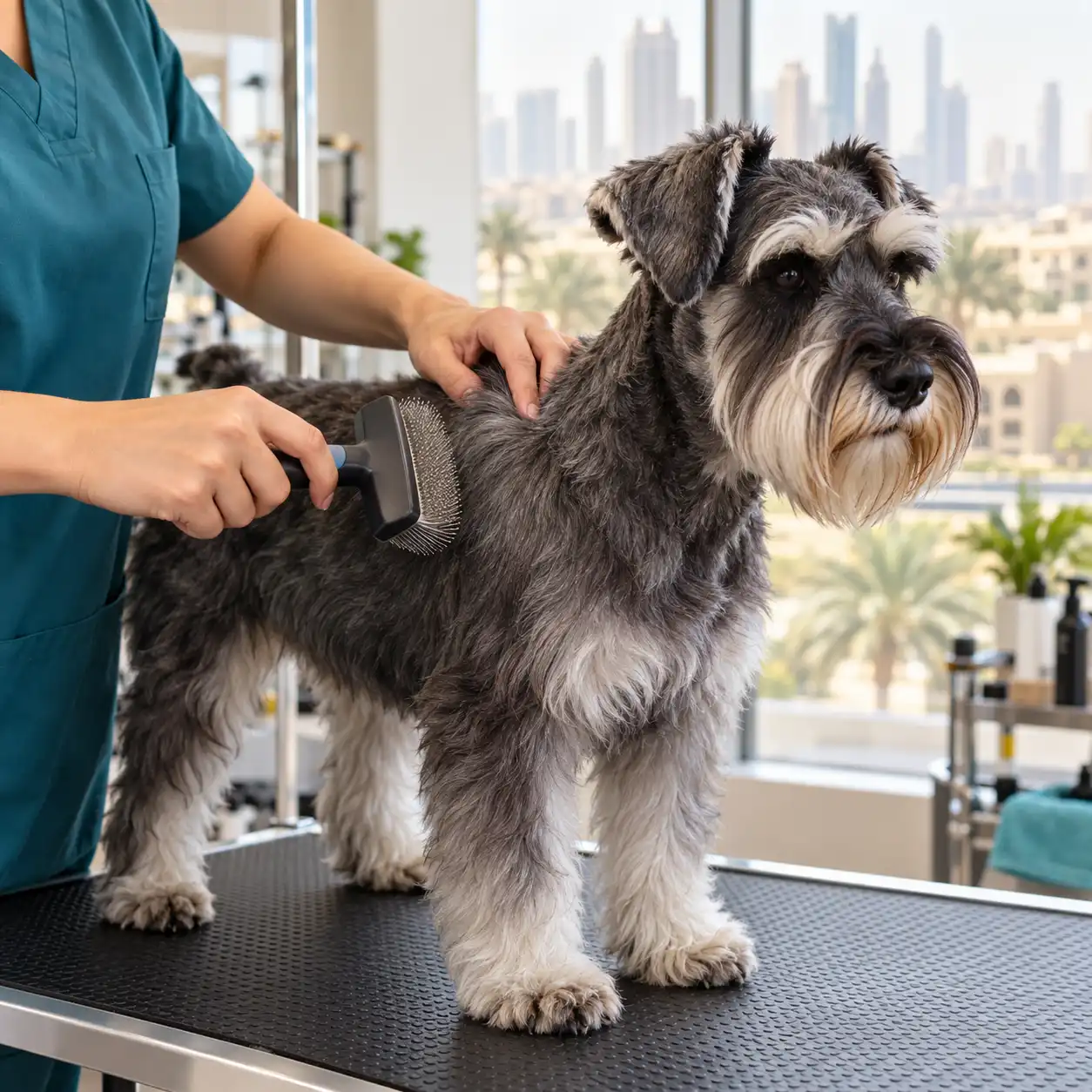
For professional care, consider dog grooming services in Abu Dhabi, where trained groomers handle hygiene more effectively.
Hidden Medical Conditions That Cause Odor
If your pet continues to smell despite proper grooming, internal health issues may be the cause.
Possible Health Concerns
- Skin allergies or dermatitis
- Dental infections cause bad breath
- Anal gland problems in dogs
- Hormonal imbalance affecting skin oil production
These conditions often go unnoticed without a proper veterinary checkup. Regular health screening is important to ensure your pet’s overall hygiene and comfort.
Effective Solutions to Remove Persistent Pet Odor
To solve the issue of bad odor even after a bath, a combination of grooming care and medical attention is often needed.
Practical Tips for Pet Owners
- Use veterinarian-approved shampoos
- Dry your pet thoroughly after every bath
- Clean ears gently using recommended solutions
- Brush your pet’s coat regularly
- Schedule routine grooming appointments
Maintaining consistency is key to preventing odor buildup.
When to Seek Professional Help
If the smell persists for more than a few days or returns quickly after bathing, it is best to consult a veterinarian or professional groomer. Early intervention can prevent serious infections and discomfort.
Professional grooming services ensure:
- Deep cleaning of coat and skin
- Detection of early skin or ear issues
- Proper hygiene maintenance
- Safe and stress-free grooming experience
Conclusion
Understanding why your pet has a bad odor even after a bath is essential for every pet owner. The issue often goes beyond simple hygiene and may involve skin conditions, ear infections, or grooming mistakes. By combining proper home care, avoiding common grooming mistakes, and timely veterinary attention, you can ensure your pet stays clean, healthy, and odor-free.
Professional Grooming at Crazy Pets in Abu Dhabi
When home care is not enough to resolve a persistent odor, professional grooming support becomes essential. Crazy Pets in Abu Dhabi offers expert grooming services designed to address the root causes of bad odor, not just the surface symptoms.
Frequently Asked Questions
1. How often should I bathe my pet to avoid a bad smell?
It depends on the breed, but most pets benefit from bathing every 3 to 4 weeks along with regular grooming.
2. Does diet affect my pet’s body odor?
Yes, poor diet or low-quality food can affect skin health and lead to unpleasant body odor in pets.
3. What is the best way to prevent recurring pet odor?
Regular grooming, proper drying after baths, ear cleaning, and routine health checkups help prevent recurring odor issues.