Introduction: The Comforting Mystery of Cat Purring
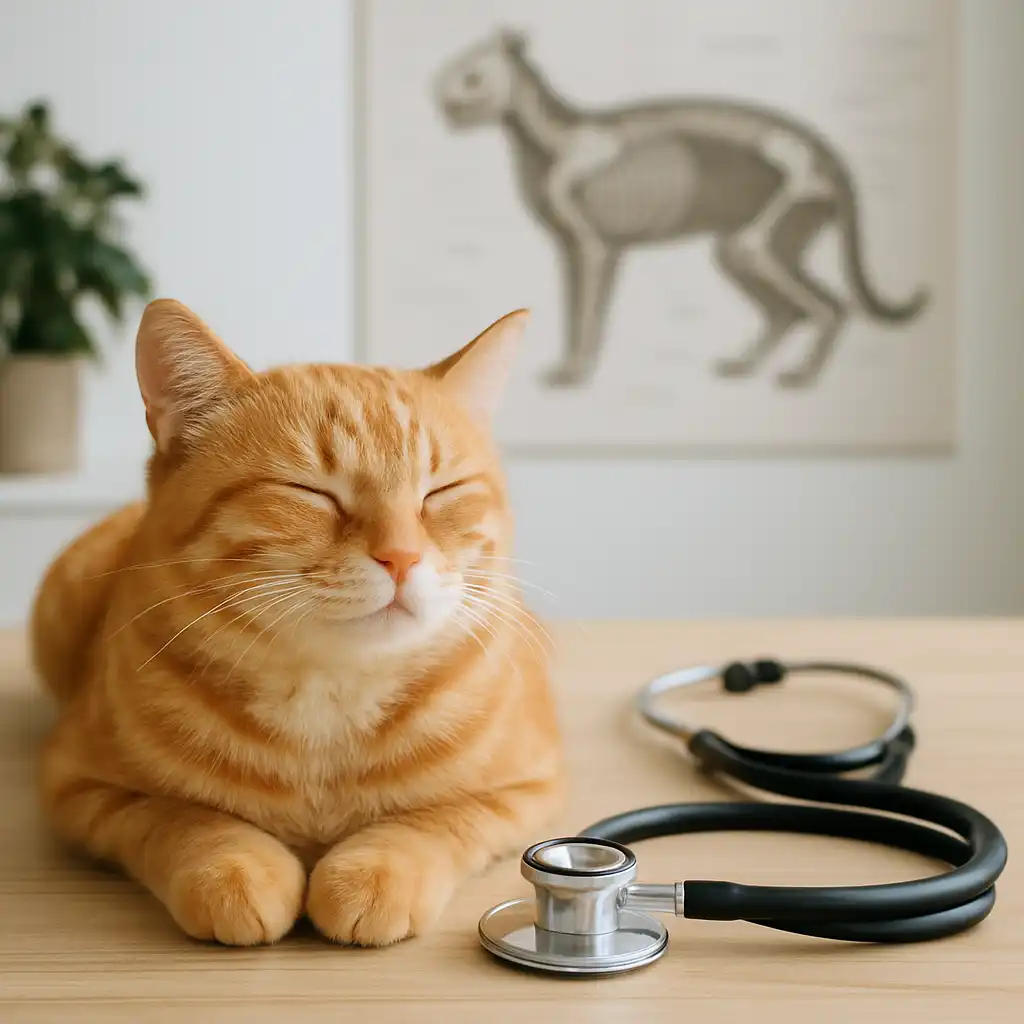
If you’re a cat owner, you’ve probably wondered at some point: why do cats purr? The soft, rhythmic sound can feel calming not just for the cat, but for humans too. For centuries, purring has been associated with happiness, but research shows there are more complex reasons behind it.
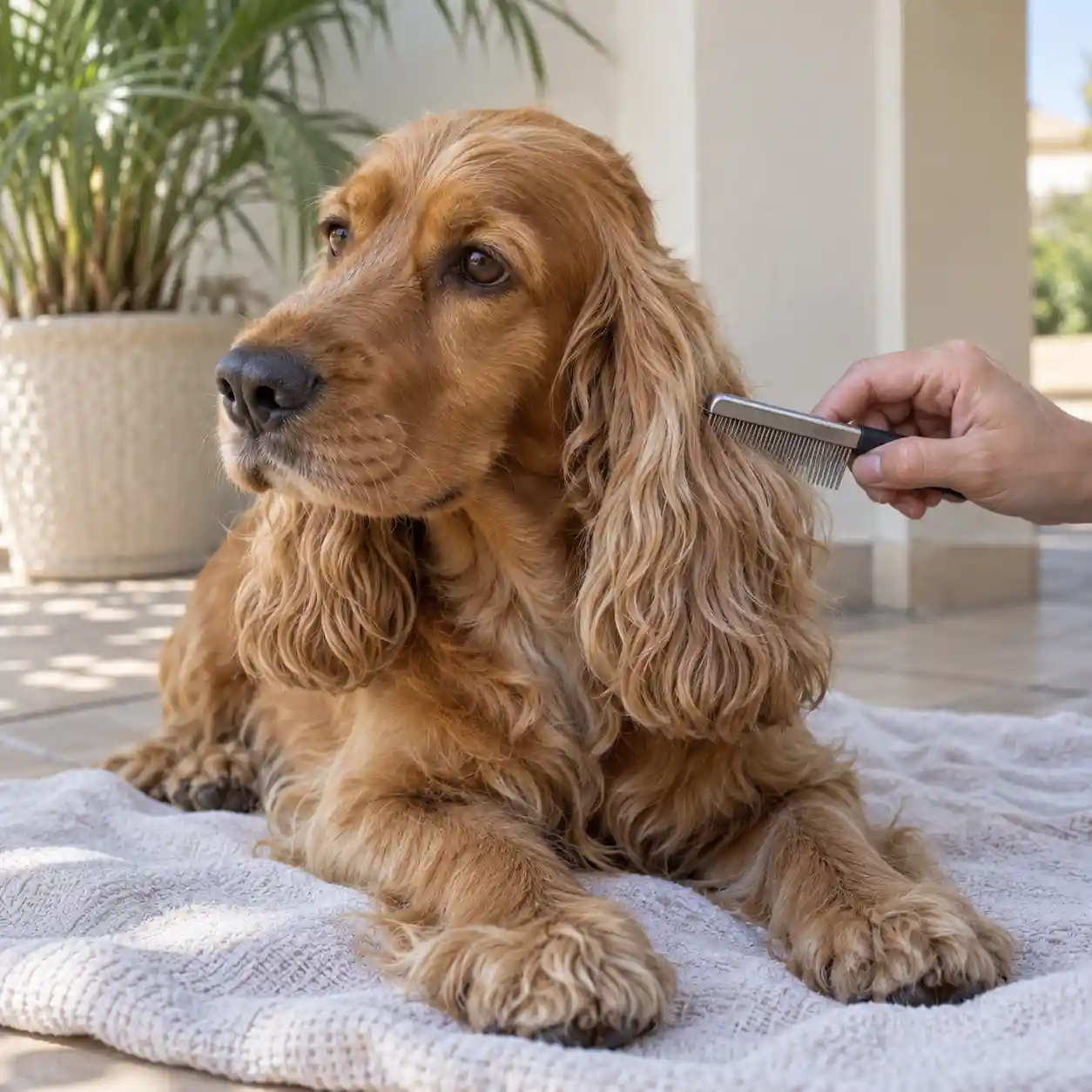
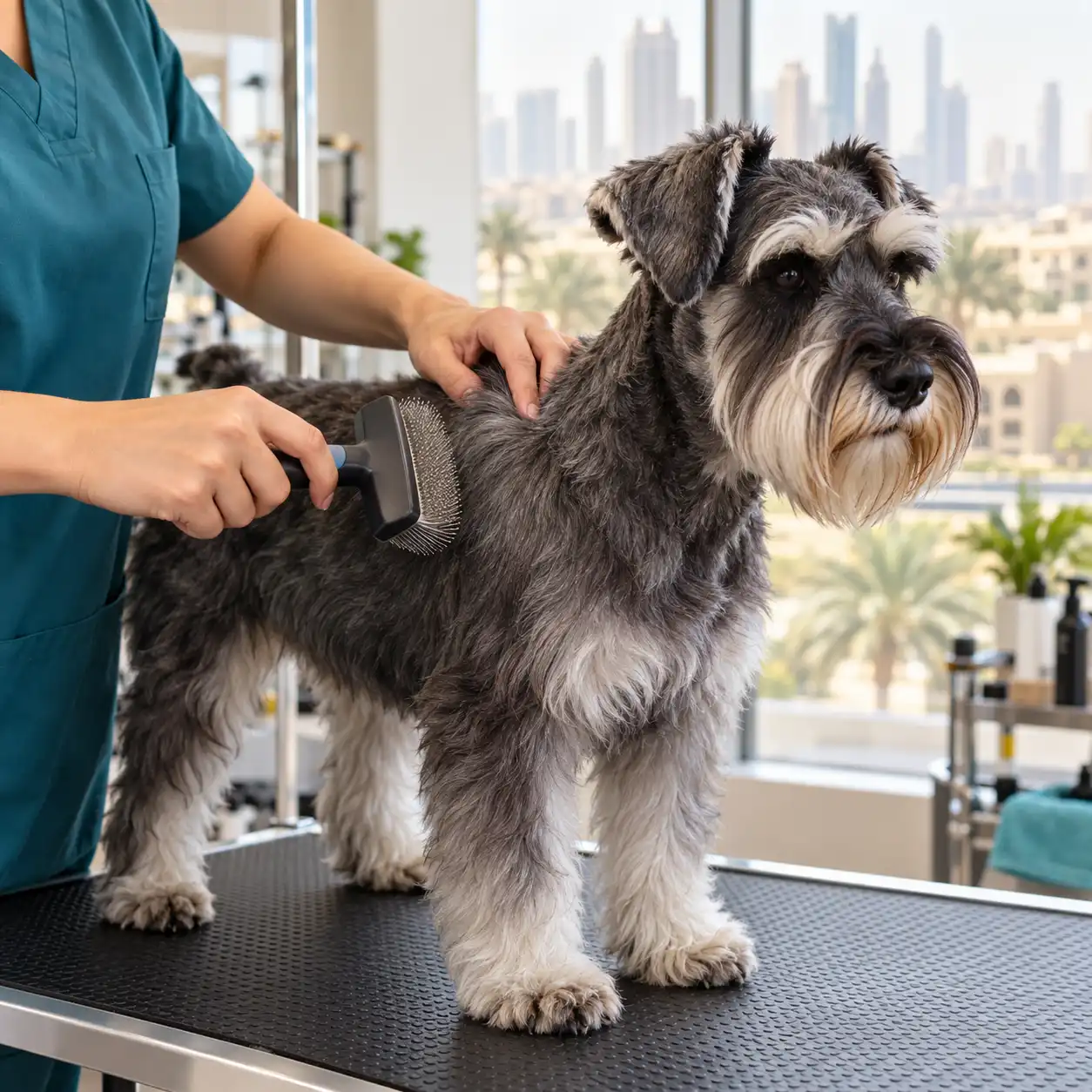
In the UAE, where pet ownership is growing rapidly, understanding feline behavior is crucial for responsible care. Along with routine healthcare, grooming services, and wellness checks, knowing why your cat purrs helps strengthen the bond between you and your furry friend. Many cat owners who visit pet grooming abu dhabi centers share stories of their cats purring during grooming—sometimes from comfort, other times from stress relief.
The Science Behind Cat Purring
Cats produce purrs through a unique process involving their brain, laryngeal (voice box) muscles, and diaphragm. The brain signals the muscles to twitch at a frequency of 25–150 vibrations per second, creating that familiar humming sound.
Interestingly, studies suggest these frequencies may have therapeutic benefits, such as promoting bone healing and reducing pain. This could explain why cats purr not only when happy but also when injured or stressed.
Common Reasons Why Cats Purr
1. Expression of Contentment
The most familiar reason: cats purr when they’re relaxed and happy.
- Example: A cat curling up next to you after dinner, gently humming as it drifts to sleep.
2. Communication with Humans
Cats often purr to communicate with owners. Some purrs have a slightly urgent tone, especially when cats are hungry.
- Practical Tip: If your cat purrs near its feeding bowl, it’s likely asking for food.
3. Stress and Healing Mechanism
Cats sometimes purr when anxious, at the vet, or recovering from injury. This self-soothing behavior may help them cope with pain.
- UAE Example: A cat brought to a Dubai veterinary clinic after a minor accident purred constantly during examination—not out of joy, but as a way to calm itself.
4. Bonding with Kittens
Mother cats purr to communicate with their kittens, guiding them to feed and reassuring them. Kittens, in turn, purr to signal they’re nursing properly.
5. Health Benefits for Humans
Research indicates that hearing cat purrs can lower human stress, reduce blood pressure, and even support healing. Many cat owners in Abu Dhabi and Sharjah claim their pets’ purring helps them relax after long workdays.
When Purring May Indicate a Problem
While purring is usually positive, it can sometimes signal discomfort or illness. Look out for signs like:
- Excessive purring paired with lethargy.
- Loss of appetite.
- Changes in breathing patterns.
In such cases, consult a vet immediately. Regular health check-ups ensure your cat’s purring is truly a sign of wellness, not hidden distress.
Cultural and Regional Insights: Cats in the UAE
Cats hold a special place in Middle Eastern culture, and in the UAE, they’re considered beloved family members. From pet cafés in Dubai to adoption centers in Abu Dhabi, cats are widely cared for and celebrated. Understanding behaviors like purring helps pet owners across the Emirates build stronger relationships with their pets.
Mid-Section Insight: Grooming and Emotional Comfort
Behavior often overlaps with grooming. Many cat owners notice their pets purring during professional grooming sessions. This doesn’t always mean happiness—it can also be a coping mechanism. Trusted centers offering cat grooming abu dhabi services are trained to recognize these subtle differences, ensuring that grooming remains a stress-free and safe experience.
Practical Experience: A Persian cat in Sharjah purred continuously during grooming. The groomer recognized it as a mix of stress and comfort, adjusting techniques to calm the cat with gentler handling.
How Cat Owners in the UAE Can Support Healthy Purring
- Provide a Stress-Free Environment: Reduce loud noises and sudden disruptions.
- Regular Vet Visits: Purring alone doesn’t guarantee good health; routine check-ups are crucial.
- Balanced Nutrition: Proper diet supports overall health, which impacts emotional well-being.
- Interactive Play: Stimulates physical and emotional wellness, often resulting in happy purrs.
- Professional Grooming: Keeps cats clean, reduces discomfort, and ensures owners can detect unusual behavior early.
Misconceptions About Cat Purring
- Myth: Cats only purr when happy.
Truth: They purr in pain, stress, or even when giving birth.
- Myth: Purring means your cat doesn’t need medical care.
Truth: Some cats purr through illness, so owners must look for other signs.
- Myth: All cats purr.
Truth: Big cats like lions and tigers cannot purr like domestic cats.
Conclusion: The Deeper Meaning of Cat Purring
So, why do cats purr? It’s a fascinating blend of communication, comfort, healing, and bonding. For pet owners in the UAE, learning to interpret these sounds builds stronger relationships with their pets. Whether your cat is purring during playtime, grooming, or even at the vet, the key lies in observing context and behavior. And while purring often signals joy, always stay alert to other signs of discomfort, such as changes in appetite or grooming patterns. These could hint at underlying issues like skin infections or even the causes of cat hair loss, which require timely veterinary attention.