You noticed your pet scratching a little more than usual. Maybe there’s a small bald patch you hadn’t seen before or a reddish bump under their fur.
These subtle signs can easily go unnoticed until they become too uncomfortable for your pet to ignore. If you’re reading this, chances are something doesn’t feel right, and you’re wondering if fleas or ticks could be the reason or if you simply need to spot fleas and ticks more effectively.
If you are looking for answers, you’re in the right place.
Fleas and ticks are common in warm climates like the UAE, but with the right grooming routine and timely attention, they don’t have to be a nightmare. In this blog, we’ll walk you through everything you need to know, from spotting the early signs to how grooming can serve as your first line of defense.
What Are Fleas and Ticks, and When Are They Most Active?
Fleas and ticks are tiny parasites that survive by feeding on the blood of animals. While fleas are wingless insects that jump from host to host, ticks are arachnids that latch onto the skin and stay there longer.
Both are capable of causing serious discomfort and transmitting diseases if not addressed.
The hot and humid climate in the UAE creates the perfect breeding ground for these parasites. Fleas and ticks thrive all year round, but their activity can spike during the warmer months, especially from March to October.
Since many UAE pets spend time indoors and outdoors, they’re often at a higher risk of exposure.
Humidity, air-conditioning, and even poorly maintained gardens or shared grooming tools can create ideal habitats for these pests. That’s why consistent monitoring and preventive care are essential year-round.
Spotting Fleas and Ticks Early: Signs and Health Risks
Fleas and ticks can hide well, especially under thick fur. But here are some telltale signs that your pet might be hosting some unwanted guests:
- Excessive scratching, biting, or licking
- Visible small black or brown dots (flea dirt or ticks)
- Bald patches or skin irritation
- Scabs or red, inflamed skin
- Restlessness or sudden changes in behavior
- Shaking their head frequently (common in dogs)
- Visible parasites around the ears, neck, or tail base
Left untreated, fleas and ticks can cause a range of health complications.
- Skin infections or allergic dermatitis
- Anemia from blood loss (especially in puppies/kittens)
- Tick paralysis (caused by tick saliva toxins)
- Tapeworms (fleas can carry larvae)
- Lyme disease or Ehrlichiosis (tick-borne illnesses)
- Hot spots and painful wounds
Treatment Options for Fleas and Ticks
Quick action is essential if you suspect your pet has fleas or ticks. Here are some of the most common treatments available:
- Topical treatments: Spot-on solutions applied to the back of the neck and spread through the skin’s oils.
- Oral medications: Pills or chewables that kill fleas and ticks systemically.
- Medicated shampoos and dips: Designed to kill and repel parasites instantly.
- Flea collars: Slow-release chemicals that provide ongoing protection.
- Tick removers and combs: Manual tools to remove visible parasites safely.
While all these options effectively treat infestations, the real win lies in prevention. And that’s where professional grooming becomes a powerful tool. Among the top reasons to choose a professional grooming service is its ability to keep your pet clean, brushed, and regularly checked helping stop fleas and ticks in their tracks before they even have a chance to settle in.
How Grooming Helps Control Fleas and Ticks
Regular grooming isn’t just about keeping your pet pretty, but a vital part of parasite control. Here’s how it works:
1. Early Detection of Parasites
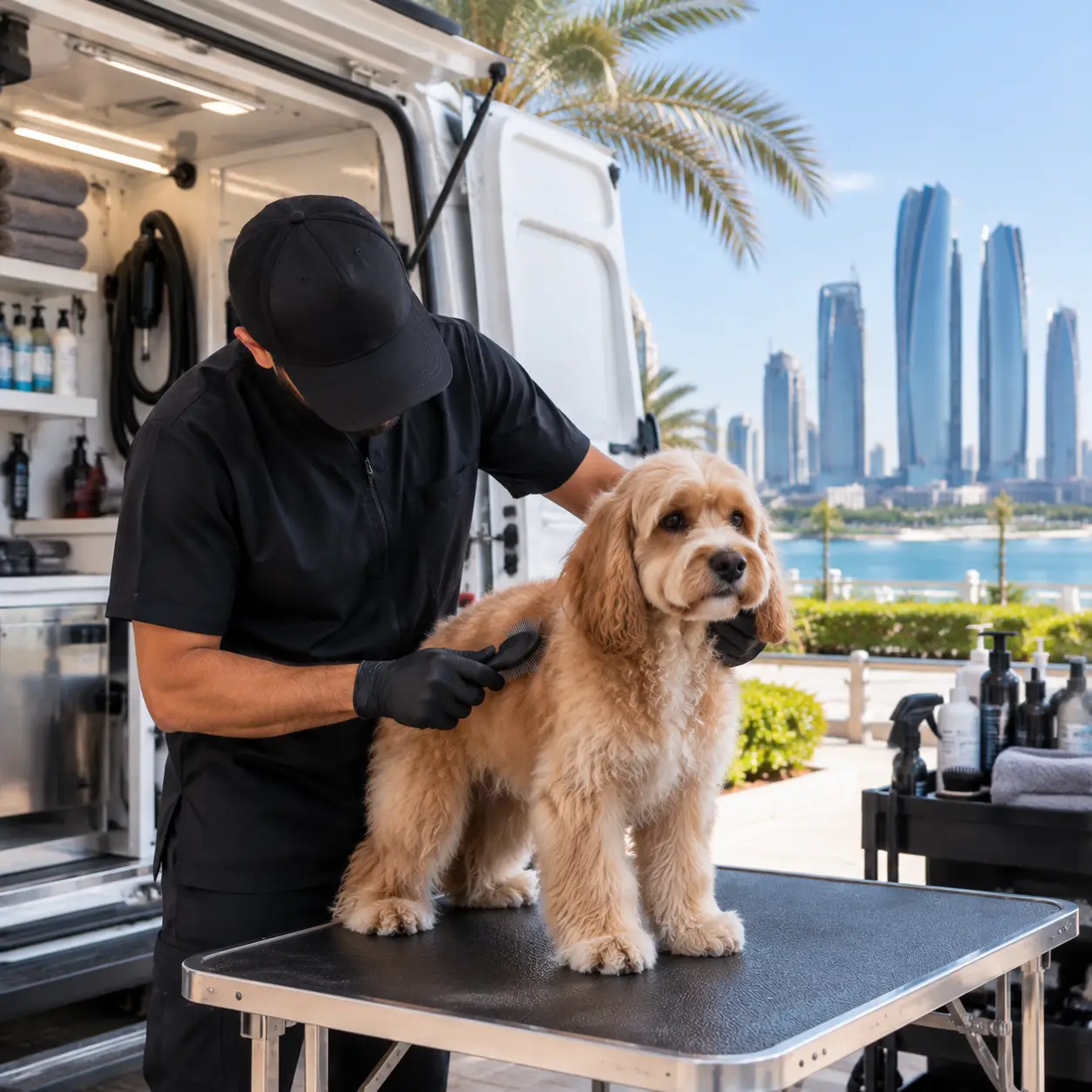
Groomers are trained to spot the tiniest abnormalities the average pet parent might miss. During brushing or bathing, professionals can detect ticks embedded in the skin or flea dirt nestled close to the roots of the fur.
Early detection is the key to stopping an infestation before it spreads. Whether it’s identifying scabs or spotting irritated patches of skin, groomers can alert you long before symptoms get serious. That means quicker treatment and less suffering for your pet.
2. Deep Cleaning with Medicated Baths
Professional groomers often use specialized shampoos to kill or repel fleas and ticks. These medicated baths cleanse the coat and relieve itching and irritation caused by bites.
These treatments go beyond what regular home bathing can achieve. The medicated formulas are often veterinarian-approved and are applied correctly to avoid ingestion or skin damage, especially in sensitive areas like the face and ears.
3. Fur Trimming to Eliminate Hiding Spots
Ticks and fleas thrive in thick, tangled fur. A good trim helps your pet stay cool in the UAE heat and removes potential hideouts for parasites.
Shorter fur makes it easier to spot any issues and reduces the chances of a full-blown infestation. Regular trimming prevents matting for breeds with long or double coats, which can trap heat and moisture, creating the perfect environment for fleas.
4. Brushing for Prevention and Comfort
Brushing removes loose hair, debris, and fleas that haven’t latched on yet. It also stimulates the skin and helps spread natural oils, which create a healthier, less attractive environment for parasites.
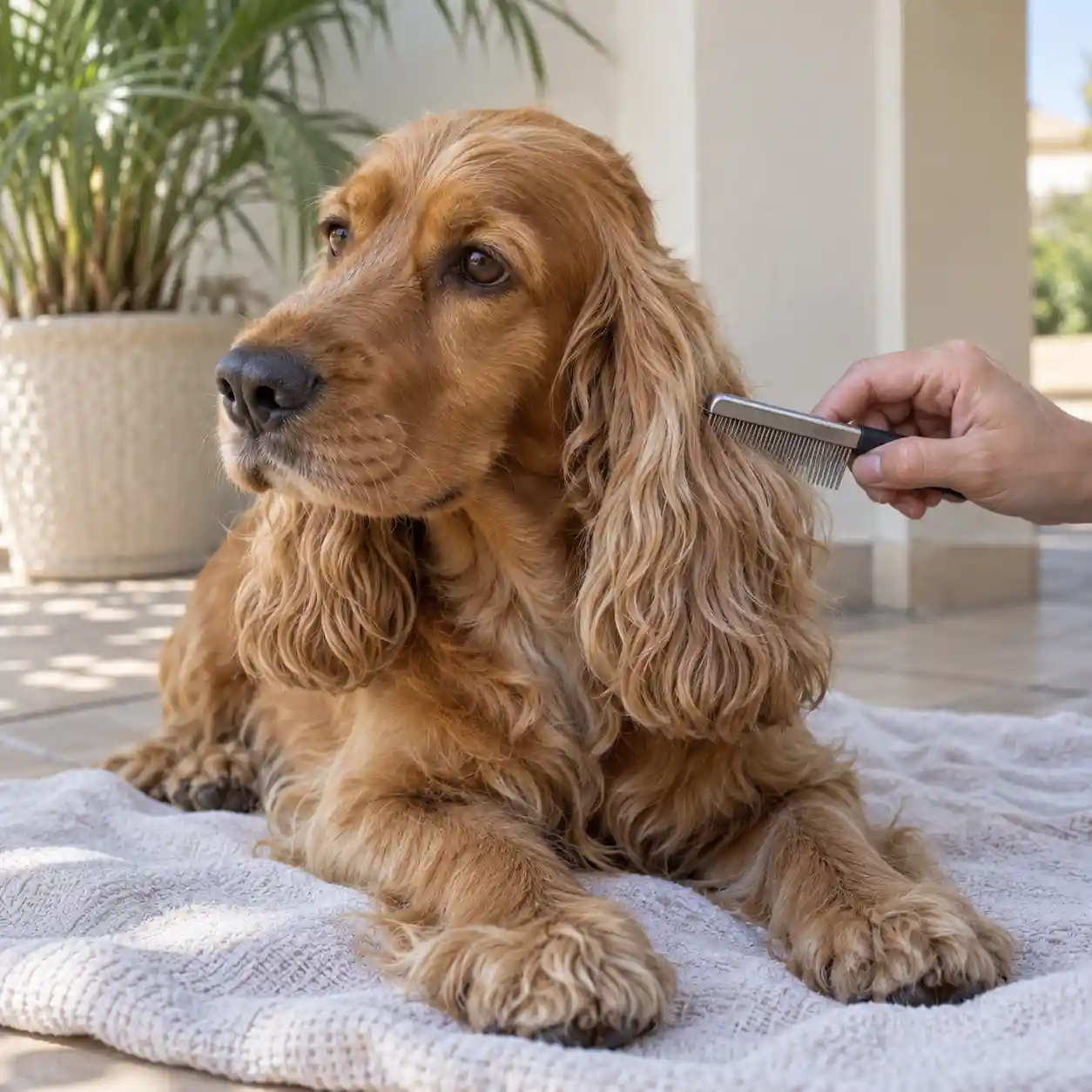
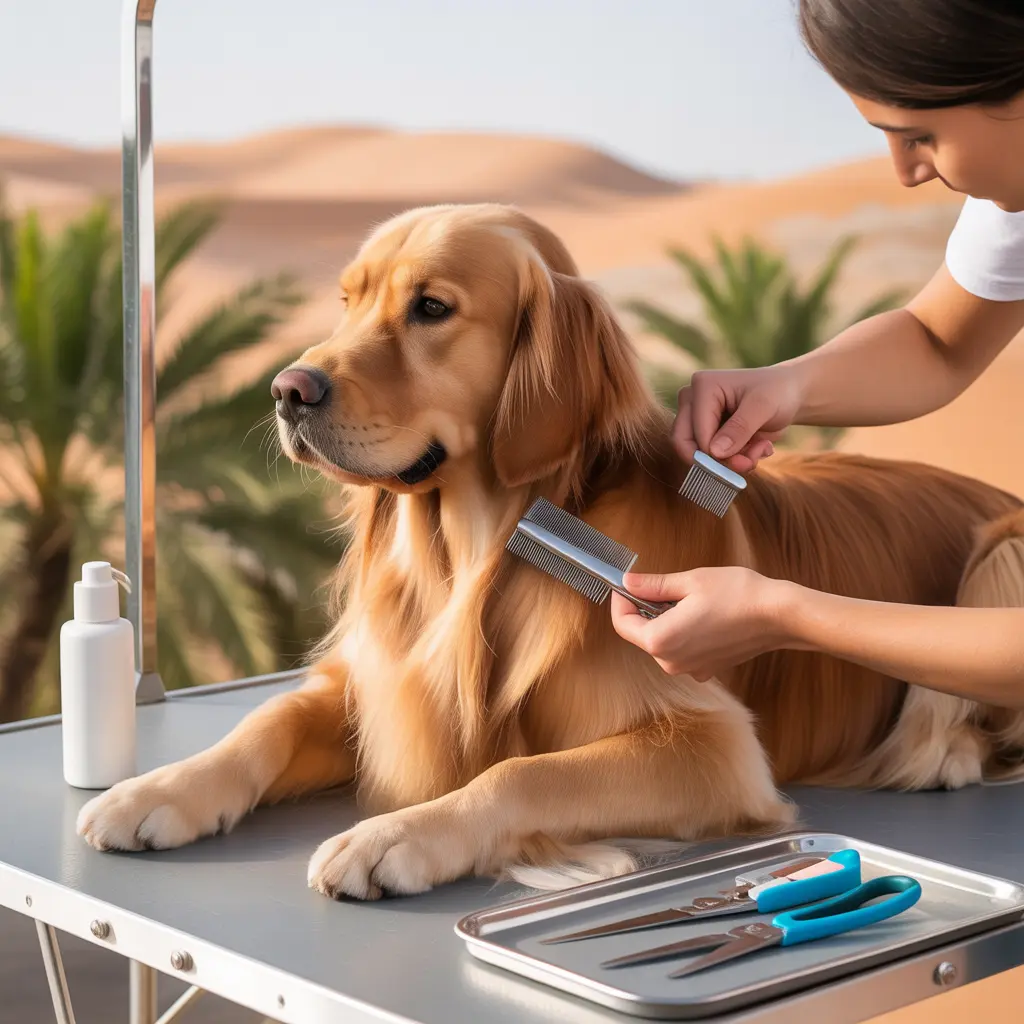
Frequent brushing with a flea comb can act as a daily defense mechanism. Plus, regularly brushed pets are more relaxed, meaning they’re less likely to obsessively scratch or bite due to hidden irritants.
5. Clean Ears and Paws – The Hidden Zones
Fleas and ticks often seek shelter in areas like behind the ears, between the toes, and around the tail. These are spots pet owners rarely check thoroughly, but groomers do.
Cleaning these zones during grooming sessions ensures parasites don’t have a chance to take hold. Ear cleaning, nail trimming, and paw care are all parts of a comprehensive grooming routine that contribute to parasite prevention.
How Often Should Grooming Be Done?
The frequency of grooming depends on your pet’s breed, coat type, and lifestyle, but consistency is key when it comes to flea and tick prevention.
- Dogs: Short-haired dogs may need dog grooming in Abu Dhabi every 4–6 weeks, while long-haired breeds should visit a groomer every 3–4 weeks, especially during warm months when ticks are most active.
- Cats: Indoor cats might do fine with cat grooming in Abu Dhabi every 6–8 weeks, but outdoor or long-haired cats (like Persians) should be groomed at least once a month. Cats are notorious self-groomers, but that doesn’t mean fleas and ticks won’t find them.
- Small Pets (like rabbits or guinea pigs): Even smaller animals benefit from grooming every few weeks. Their compact size doesn’t make them immune to parasites, especially if they live in warm or communal environments.
If your pet has had a recent infestation, increase grooming frequency temporarily to monitor recovery and prevent reinfestation.
Conclusion: Grooming Is More Than Just a Spa Day
Ticks and fleas are a year-round risk in the UAE. From itchy skin to serious health complications, the effects of these parasites can be devastating if left unchecked. But grooming offers a proactive, affordable, and pet-friendly way to stay ahead of the problem.
With regular grooming, you’re going beyond basic hygiene and giving them a fighting chance against parasites. Clean fur, early detection, and expert hands make a huge difference in your pet’s comfort and health.
Book a Grooming Appointment with Crazy Pets—Abu Dhabi’s Trusted Pet Salon
If you’re worried about fleas, ticks, or simply want to give your pet a healthier, happier life, Crazy Pets is here to help. Expert groomers at our pet grooming salon in Abu Dhabi specialize in flea and tick control through gentle, thorough grooming sessions tailored to your pet’s needs.
Don’t wait until scratching turns into suffering. Book your appointment today with Crazy Pets and let us help your pets live their best, itch-free life.