
Your dog keeps scratching after a bath, your cat has developed matted fur, or you’ve noticed an unusual smell coming from your pet’s ears. Should you book a grooming appointment or visit a veterinarian?
The answer depends on what’s causing the problem.
Professional pet grooming is suitable for routine hygiene, coat maintenance, and nail care. A vet visit is necessary when your pet shows signs of illness, injury, infection, or persistent discomfort. Some problems may look like simple grooming issues but require medical attention.
For pet owners in Abu Dhabi and Al Ain, understanding the difference between grooming needs and health concerns can help avoid unnecessary treatments and delays in getting the right care.
Pet Grooming or Vet Visit: What’s the Difference?
A groomer and a veterinarian have different responsibilities, although both contribute to your pet’s well-being.
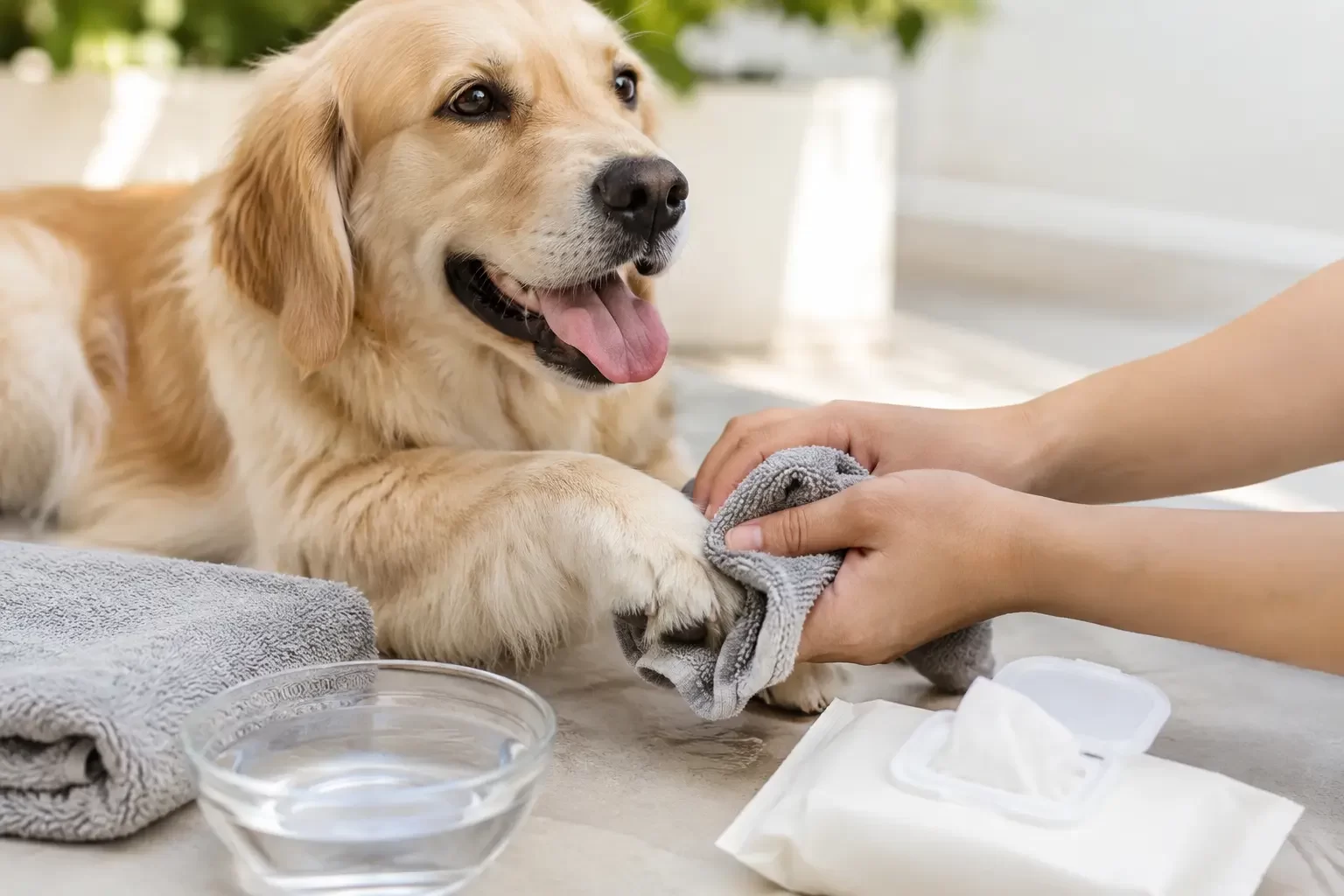
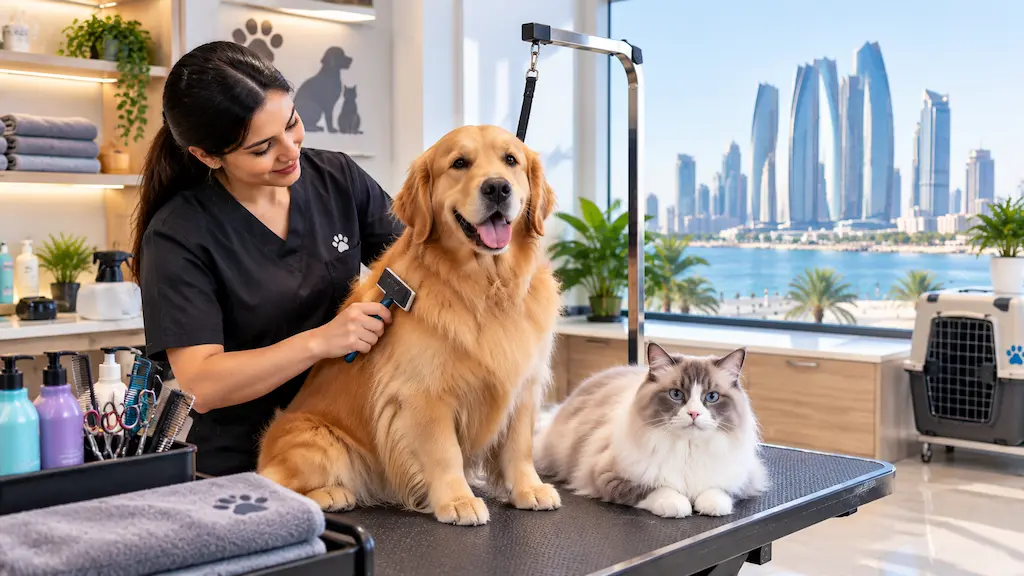
A professional pet groomer helps maintain your pet’s coat, skin cleanliness, nails, and general hygiene. Grooming services may include bathing, brushing, de-shedding, haircuts, and suitable ear cleaning.
A veterinarian examines, diagnoses, and treats medical conditions, including skin infections, allergies, injuries, parasites, and ear disease.
| Your Pet’s Condition | Groomer or Vet? |
| Dirty coat or ordinary shedding | Groomer |
| Overgrown nails without injury | Groomer |
| Mild, painless tangles | Groomer |
| Severe or painful matting | Vet assessment first |
| Persistent itching or scratching | Vet |
| Bald patches or unusual hair loss | Vet |
| Red, inflamed skin or open sores | Vet |
| Strong ear odour or discharge | Vet |
| Limping or a bleeding nail | Vet |
| Routine bathing and coat trimming | Groomer |
A simple rule: If your pet is comfortable and only needs routine coat or hygiene care, grooming is usually appropriate. If there is pain, persistent itching, swelling, discharge, or unusual behaviour, consult a veterinarian.
Signs Your Pet Needs Professional Grooming
Not every messy coat indicates a medical problem. Some changes simply mean your pet needs better coat maintenance.
1. Excessive Loose Fur and Shedding
Shedding is normal for many dogs and cats, particularly during seasonal coat changes.
Regular brushing and de-shedding can remove loose hair and help prevent tangles. However, sudden shedding accompanied by bald spots, redness, or skin irritation should be assessed by a vet.
For dogs with thick or long coats, professional dog grooming in Abu Dhabi can help manage loose fur and maintain a more manageable coat.
2. Tangled or Matted Fur
Small, loose tangles may be manageable through gentle brushing or professional grooming.
Tightly matted fur is different. Mats can pull on the skin, cause discomfort, and sometimes conceal wounds or inflammation.
If the skin is sore, the mats are tightly attached, or your pet reacts painfully when touched, arrange veterinary advice before attempting removal.
3. Overgrown Nails
Nails that have become too long can affect your pet’s comfort and movement.
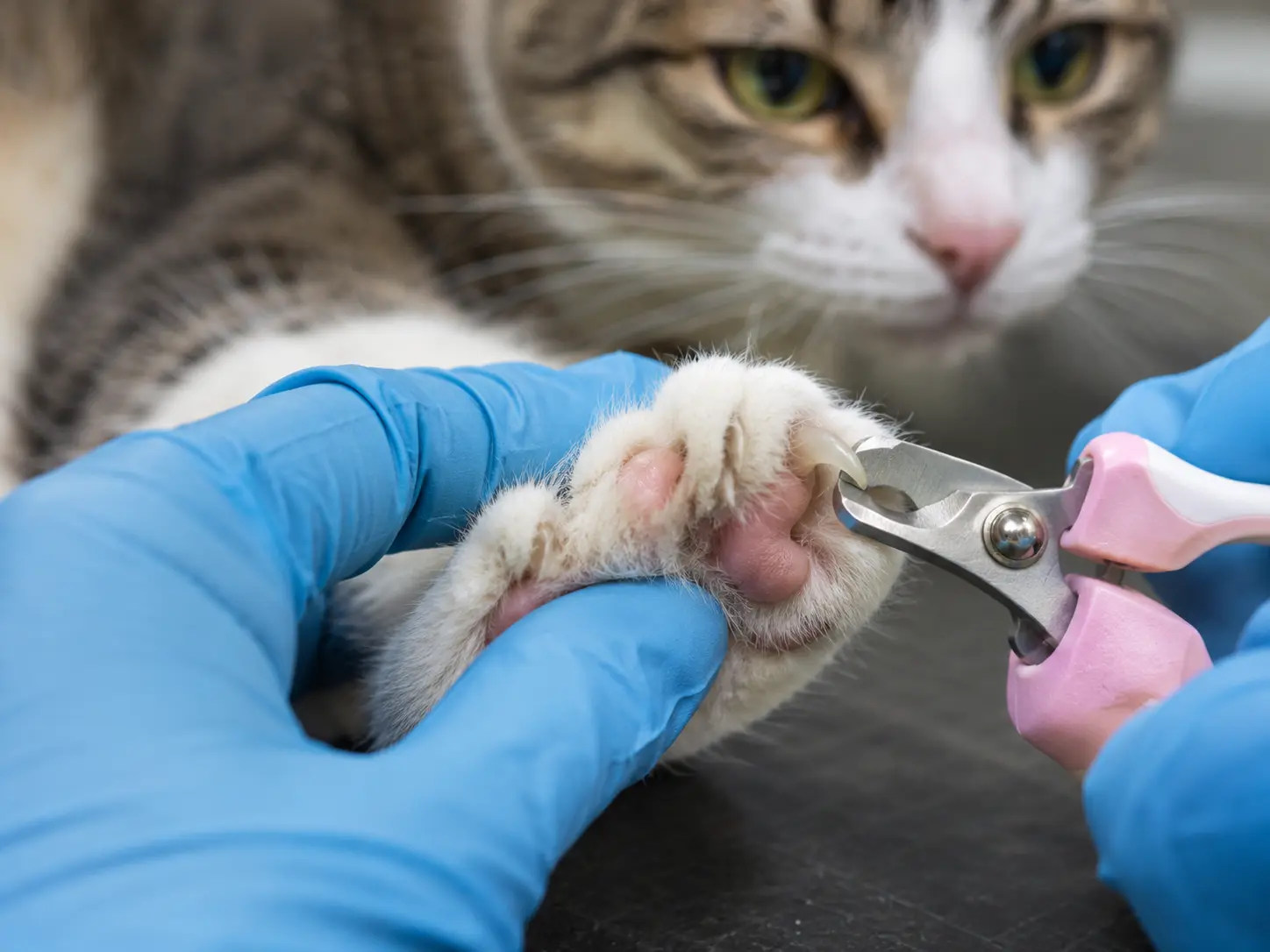
A groomer can trim healthy nails as part of routine maintenance. However, a nail that has split, grown into the paw pad, or started bleeding needs veterinary attention.
4. A Dirty Coat Without Skin Problems
Dogs may collect sand, dust, and outdoor dirt during walks, particularly in the UAE’s dry environment.
If your pet’s skin looks normal and there are no signs of discomfort, a suitable bath or grooming session may be enough.
For pets needing routine coat maintenance, full grooming services can help with bathing, brushing, trimming, and other appropriate hygiene care.
When Should You Take Your Pet to a Vet Instead?
Some problems should be evaluated medically rather than treated with shampoo, brushing, or grooming products.
Persistent Itching or Excessive Licking
Occasional scratching is normal, but repeated scratching, chewing, or licking of the same area can indicate allergies, parasites, infection, or another medical condition.
If your pet cannot stop scratching, has inflamed skin, or is developing bald patches, book a veterinary appointment.
Bathing may temporarily remove surface irritants, but it won’t necessarily resolve the underlying cause.
Redness, Rashes, or Open Sores
Red patches, scabs, swelling, bleeding, and moist or painful skin require veterinary assessment.
Using grooming products on irritated or broken skin can make your pet more uncomfortable, particularly if the underlying condition has not been diagnosed.
For more context, read our guide to common causes of pet skin rashes in Abu Dhabi.
Hair Loss or Bald Patches
Normal shedding should not be confused with unexplained hair loss.
Bald patches can develop for several reasons, including excessive licking, parasites, allergies, infections, and other health conditions.
A groomer may notice the problem, but only a veterinarian can investigate its cause and recommend appropriate treatment.
Strong Ear Odour or Discharge
A small amount of ordinary dirt around the outer ear may be manageable through appropriate hygiene care.
However, a strong smell, unusual discharge, redness, frequent head shaking, or pain when the ear is touched may indicate an ear problem.
Don’t attempt deep ear cleaning or apply drops without veterinary guidance.
Sudden Changes in Behaviour
If your pet becomes unusually withdrawn, refuses food, seems painful, or reacts aggressively when a previously comfortable area is touched, don’t assume grooming is the solution.
These changes may indicate an underlying health problem that needs professional examination.
Seek urgent veterinary care for breathing difficulty, collapse, seizures, uncontrolled bleeding, or other severe symptoms. Do not delay emergency treatment for a grooming appointment.
Can a Groomer Identify Skin or Coat Problems?
Groomers regularly handle pets’ coats, paws, ears, and nails, so they may notice visible changes during an appointment.
These can include unusual dandruff, irritated skin, bald patches, lumps, excessive tangles, or changes in coat condition.
However, a groomer cannot diagnose a skin infection, prescribe medication, or determine the medical cause of hair loss.
If something unusual appears during grooming, the appropriate next step may be to stop the affected procedure and recommend a veterinary examination.
This is one reason routine grooming and veterinary care work best together rather than replacing one another.
When Should Grooming Wait Until After a Vet Visit?
You should postpone non-essential grooming if your pet has an untreated skin infection, open wounds, painful inflammation, significant illness, or severe distress.
For example:
- A dog with inflamed, painful skin should be examined before a routine bath.
- A cat with severe matting and visible skin irritation may need veterinary-assisted coat care.
- A pet with an ear infection needs diagnosis and treatment rather than ordinary ear cleaning.
- A dog with a painful nail injury should receive veterinary attention before nail trimming.
Once the vet has assessed the condition, they can advise when routine grooming can safely resume and whether special products or handling precautions are required.
Do Dogs, Cats, and Rabbits Have Different Grooming Needs?
Yes. Although all pets need appropriate hygiene, their coat care and health requirements differ.
Dogs: Routine brushing, bathing, coat trimming, and nail care depend on breed and coat type. Persistent itching, sore paws, or unexplained hair loss need veterinary attention.
Cats: Many healthy cats groom themselves, but long-haired or older cats may need additional brushing. Sudden changes in grooming habits, painful mats, or excessive licking can indicate a health problem. Professional cat grooming in Abu Dhabi can help with routine coat care when the cat is otherwise well.
Rabbits: Regular brushing and careful nail maintenance are important, particularly for long-haired breeds. Severe matting, skin wounds, reduced appetite, or difficulty passing droppings require veterinary attention. Appropriate rabbit grooming can help maintain the coat, but rabbits should not receive routine baths.
Birds also have species-specific feather and nail care requirements. Unusual feather loss, bleeding, breathing changes, or signs of illness should be assessed by an avian veterinarian.
How Grooming and Veterinary Care Work Together
Good pet care isn’t about choosing a groomer instead of a veterinarian. Both have different roles.
Routine grooming keeps the coat manageable and provides opportunities to notice visible changes. Veterinary care addresses medical concerns, diagnoses underlying conditions, and determines whether treatment is necessary.
The key is knowing when one service is appropriate and when the other should come first.
At Crazy Pets, we provide mobile pet grooming in Abu Dhabi and selected areas of Al Ain, helping owners maintain their pets’ routine coat and hygiene needs.
If your pet is healthy but needs bathing, brushing, trimming, or nail care, our team can help you choose a suitable grooming appointment.
Contact Crazy Pets to discuss your pet’s grooming requirements.
Frequently Asked Questions
Should I take my itchy dog to a groomer or a vet?
If your dog is scratching persistently, licking excessively, or developing red skin, visit a veterinarian. Itching can be caused by allergies, parasites, infections, or other conditions that grooming alone cannot treat.
Can grooming help with pet dandruff?
Regular brushing may remove loose flakes and help maintain coat cleanliness. However, persistent dandruff, especially with redness, itching, hair loss, or an unpleasant smell, should be assessed by a vet.
Can a groomer remove severely matted fur?
Some mats can be managed by a professional groomer, but severe, tight, or painful matting may require veterinary assistance. Avoid pulling mats or cutting them close to the skin at home.
Should I groom my pet if it has fleas?
A veterinary-approved parasite treatment plan should come first. Grooming can help maintain coat hygiene and may reveal fleas, but ordinary shampooing does not replace effective flea treatment.
Can a groomer treat a dog’s ear infection?
No. Groomers can provide appropriate routine outer-ear hygiene, but infections require veterinary examination and treatment. If the ear has discharge, strong odour, redness, or pain, consult a vet.
How do I know if my cat needs grooming or medical attention?
A healthy cat with long fur or manageable tangles may benefit from grooming. Sudden hair loss, painful matting, excessive licking, skin irritation, or changes in self-grooming behaviour should prompt veterinary advice.
Can I book grooming after my pet recovers from a skin infection?
Often yes, but follow your veterinarian’s advice about when grooming can resume. Certain skin conditions require treatment or specific hygiene precautions before a normal grooming appointment is appropriate.