A cat’s nail growing into its paw pad can cause significant pain, even when the injury looks small. Cat claws grow continuously, and when they become too long, the sharp tips can curl back towards the paw. Sometimes, a claw may press against the skin or pierce the soft paw pad, creating a wound that can become infected.
This problem is particularly common in older cats, less active cats, and dewclaws that don’t wear down naturally.
If your cat’s nail has already pierced its paw pad, contact a veterinarian promptly. Don’t pull the claw out or attempt to cut it while it’s embedded. If the nail is simply overgrown without touching or injuring the skin, careful trimming may be enough.
Knowing the difference between an overgrown claw and an embedded nail can help you take the right action before a minor problem becomes more serious.
Why Do Cat Claws Grow Into Paw Pads?
Cats naturally shed the outer layers of their claws through scratching, but this doesn’t always prevent their nails from becoming too long.
When a claw continues growing, its curved shape can eventually cause the tip to turn towards the paw pad. If left untrimmed, it may penetrate the skin.
Several factors increase the risk.
- Infrequent nail trimming: Some cats cannot keep their claws at a manageable length through normal activity and scratching alone.
- Overgrown dewclaws: Dewclaws sit higher on the inside of the front legs. Because they don’t touch the ground during walking, they can become overgrown without being noticed.
- Limited scratching opportunities: Cats need suitable scratching surfaces to help shed old claw layers.
- Reduced activity: Less active cats may not maintain their claws as effectively as more active cats.
- Age-related changes: Senior cats can develop thicker, brittle claws and may scratch less because of reduced mobility or joint discomfort.
- Extra toes: Polydactyl cats have additional toes, sometimes with claws that grow in unusual directions or are easily overlooked.
- Previous nail damage: Injuries or certain health conditions can affect nail shape and growth.
Sometimes, only one claw becomes overgrown while the remaining nails appear normal. This is why checking every toe matters.
Signs Your Cat’s Nail Is Growing Into Its Paw Pad
An ingrown claw isn’t always obvious. Cats often hide discomfort, and some continue eating, walking, and behaving normally despite having a painful paw.
Early Signs of Overgrown Cat Claws
Before a nail pierces the paw pad, you might notice:
- Claws appearing unusually long or curved
- A nail catching on carpets, blankets, or furniture
- Clicking sounds when your cat walks on hard floors
- Difficulty retracting a claw
- A claw curling towards or touching the paw pad
- Your cat becoming uncomfortable when its paws are handled
These signs don’t always mean the nail has entered the skin, but they suggest the claws need attention.
Warning Signs of a Nail Injuring the Paw
When the nail begins pressing into or puncturing the paw pad, symptoms may include:
- Limping or avoiding weight on one paw
- Repeated licking or chewing of the same foot
- Redness or swelling around a toe
- Small spots of blood on bedding or floors
- Pulling away when the paw is touched
- Avoiding jumping, climbing, or playing
- Hiding more often or becoming irritable
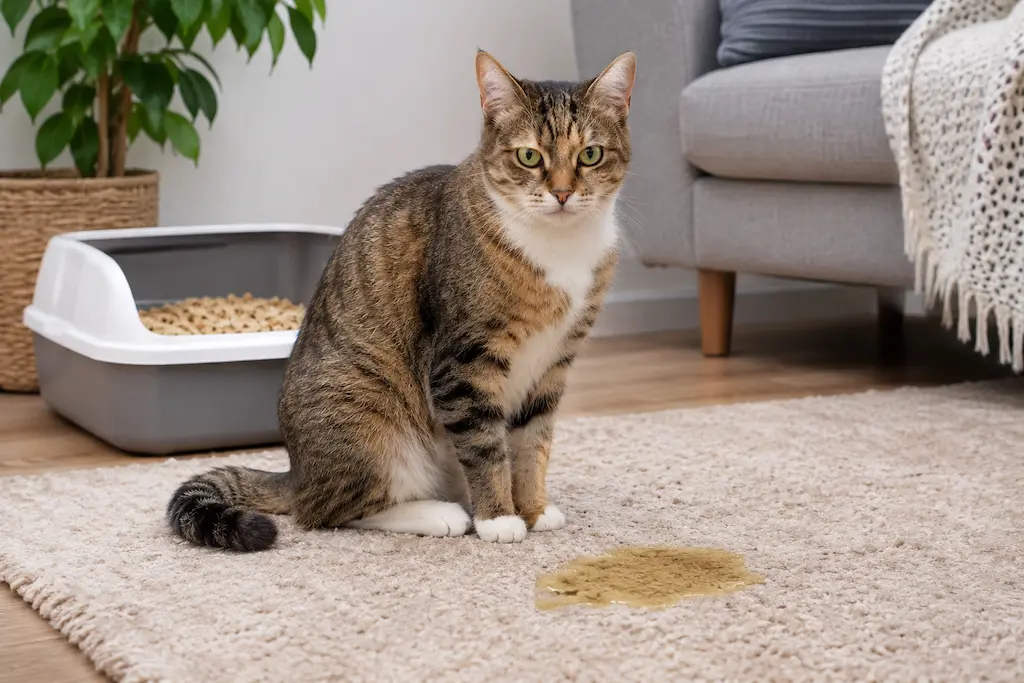
A cat with a painful paw may also become reluctant to dig in its litter box. If your cat is suddenly avoiding the litter box, paw discomfort is one possible explanation, although urinary and behavioral problems may also be responsible.
How to Check Your Cat’s Paws Safely
Choose a quiet moment when your cat is relaxed.
Gently hold one paw and apply light pressure to extend the claws. Examine the shape and direction of each nail, including the dewclaws and any extra toes.
Look for nails touching the skin, redness, swelling, or unusual discharge.
Don’t force the paw open if your cat seems painful or frightened. If a claw appears embedded, stop examining it and contact your veterinarian.
Cat Nail Growing Into Paw Pad: What Should You Do?
The safest response depends on whether the claw is simply too long, touching the skin, or already embedded in the paw pad.
If the Nail Is Overgrown but Hasn’t Pierced the Skin
An uncomplicated overgrown nail can often be corrected with careful trimming.
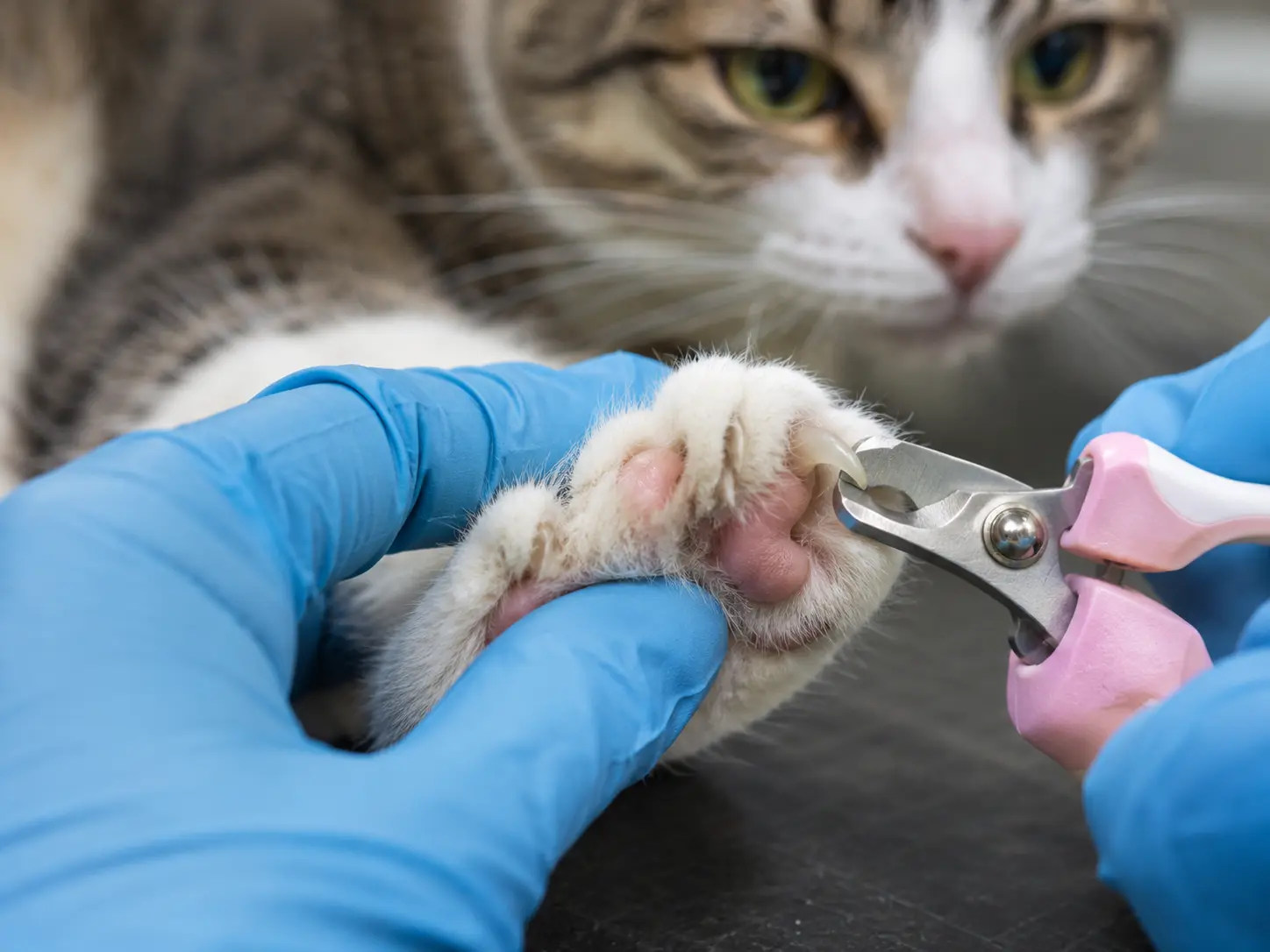
If your cat is calm and you’re experienced with nail trimming, you may be able to remove a small portion of the pointed tip using cat-specific nail clippers.
Avoid the quick, which contains nerves and blood vessels.
If the claw is pressing tightly against the paw pad, you cannot clearly see where to cut, or your cat is uncomfortable, don’t attempt a home trim.
An experienced groomer or veterinarian can assess the claw and determine the safest way to shorten it.
If the Nail Is Touching the Paw Pad
A claw that has started touching the pad may be close to breaking the skin.
Check for redness, tenderness, bleeding, or swelling without applying pressure to the nail.
If you cannot confidently determine whether the skin is intact, ask your veterinarian for advice rather than attempting to cut the claw yourself.
If the Nail Has Pierced the Paw Pad
An embedded nail requires veterinary attention.
Do not pull the nail out, dig into the paw pad, or cut the claw while it’s stuck in the skin.
These actions can cause further pain, bleeding, and tissue damage.
Keep your cat calm and discourage excessive licking. If there is visible dirt, you may gently rinse the surrounding area with sterile saline if your cat tolerates it, but don’t scrub or manipulate the embedded claw.
If your cat’s nail has pierced the paw pad, contact a veterinary clinic in Abu Dhabi promptly. A veterinarian can safely free the embedded claw, examine the wound for infection, and recommend appropriate pain relief or further treatment.
How to Tell if an Ingrown Cat Nail Is Infected
An ingrown nail can create a puncture wound in the paw pad. Once the skin is broken, bacteria and debris may enter the wound.
Signs of a possible infection include:
- Increasing redness or swelling around the affected toe
- Warmth around the paw pad
- Yellow, green, or cloudy discharge
- An unpleasant smell coming from the paw
- Persistent licking or chewing
- Pain when the paw is touched
- Limping that becomes worse instead of improving
A cat may have a painful puncture wound before obvious infection develops. The absence of pus or a bad smell doesn’t mean an embedded claw is safe to leave untreated.
If you notice discharge, significant swelling, or worsening discomfort, contact a veterinarian urgently.
Avoid applying alcohol, hydrogen peroxide, human antiseptic creams, or human painkillers without veterinary guidance. Human pain medications can be dangerous or fatal to cats.
How Do Veterinarians Treat an Ingrown Cat Nail?
Veterinary treatment depends on how deeply the nail has entered the paw pad, whether infection is present, and how much pain your cat is experiencing.
Examining the Nail and Paw
The veterinarian will inspect the affected claw, paw pad, and surrounding tissue.
They may also examine the other nails, especially if your cat has several thick or overgrown claws.
Safely Removing the Embedded Nail
The veterinarian can shorten and free the embedded nail using appropriate instruments.
Some cats may require local pain control or sedation, particularly when the claw is deeply embedded or the paw is very painful.
Cleaning and Assessing the Wound
Once the nail is freed, the veterinarian can assess the puncture wound and clean it appropriately.
They will check for signs of infection, remaining debris, or additional tissue damage.
Pain Relief and Additional Treatment
Depending on the injury, your veterinarian may prescribe cat-safe pain relief or other medication.
Antibiotics aren’t automatically necessary for every ingrown nail. The decision depends on the wound and whether infection is present or suspected.
Recovery and Follow-Up
Your veterinarian may recommend monitoring the paw, preventing licking, limiting activity temporarily, or returning for a follow-up examination.
Recovery varies according to the severity of the injury.
Follow the veterinary team’s instructions and contact them if swelling, discharge, bleeding, or limping continues or worsens.
When Does an Ingrown Cat Nail Need Urgent Veterinary Care?
Any nail that has punctured the paw pad should be assessed promptly by a veterinarian.
Seek urgent veterinary help if your cat has:
- Persistent or heavy bleeding
- Severe swelling or discharge
- A deeply embedded claw
- Significant pain or an inability to bear weight
- A foul-smelling wound
- Marked lethargy, loss of appetite, or signs of systemic illness
If the paw is bleeding, gently apply pressure with clean gauze or cloth around the injured area while arranging veterinary care. Avoid pressing directly onto an embedded claw.
Even a small puncture can be painful, so don’t wait for obvious infection before seeking advice.
Why Are Older Cats More Likely to Develop Ingrown Nails?
Senior cats can be particularly vulnerable to overgrown claws.
As cats age, they may become less active, scratch less frequently, or develop arthritis that makes normal movement and scratching uncomfortable.
Their claws may also become thicker and more difficult to maintain.
An older cat may have one or several claws curling towards its paw pads without showing obvious signs of pain.
If your senior cat has repeatedly overgrown nails, ask your veterinarian whether arthritis, reduced mobility, or another underlying issue could be contributing.
Regular paw checks are especially important for elderly cats.
How to Prevent Cat Nails From Growing Into the Paw Pads
Prevention mainly involves checking the nails regularly, providing suitable scratching opportunities, and trimming claws before they become excessively long.
Check Your Cat’s Nails Frequently
Inspect every paw, including the dewclaws and any extra toes.
Weekly checks can help you notice changes before the claws start pressing against the skin.
Pay closer attention to senior cats and cats with limited mobility.
Trim Nails Before They Become Overgrown
Many cats benefit from nail checks and trimming approximately every two to four weeks, although individual needs vary.
Some cats need more frequent trims.
Use sharp clippers designed for cats, and remove only the pointed tip of the claw.
Avoid the quick. If you’re unsure how much to trim, ask a veterinarian or experienced groomer to demonstrate the correct technique.
Don’t Forget the Dewclaws
Dewclaws can become overgrown even when the other nails appear healthy.
Because they sit higher up on the front legs, they’re easy to miss during routine checks.
Make inspecting them part of every nail care session.
Provide Suitable Scratching Surfaces
Scratching helps cats shed old claw sheaths and maintain normal scratching behavior.
Offer different surfaces, such as:
- Tall, sturdy scratching posts
- Horizontal cardboard scratchers
- Sisal scratching boards
Place them in areas your cat uses frequently.
Remember that scratching doesn’t always replace nail trimming, particularly for older or less active cats.
Make Nail Trimming Less Stressful
Some cats dislike having their paws handled.
Start with short, calm sessions. Gently touch the paws, reward your cat for relaxed behavior, and gradually introduce the nail clippers.
You don’t need to trim every nail at once.
If your cat becomes distressed, stop rather than forcing the process.
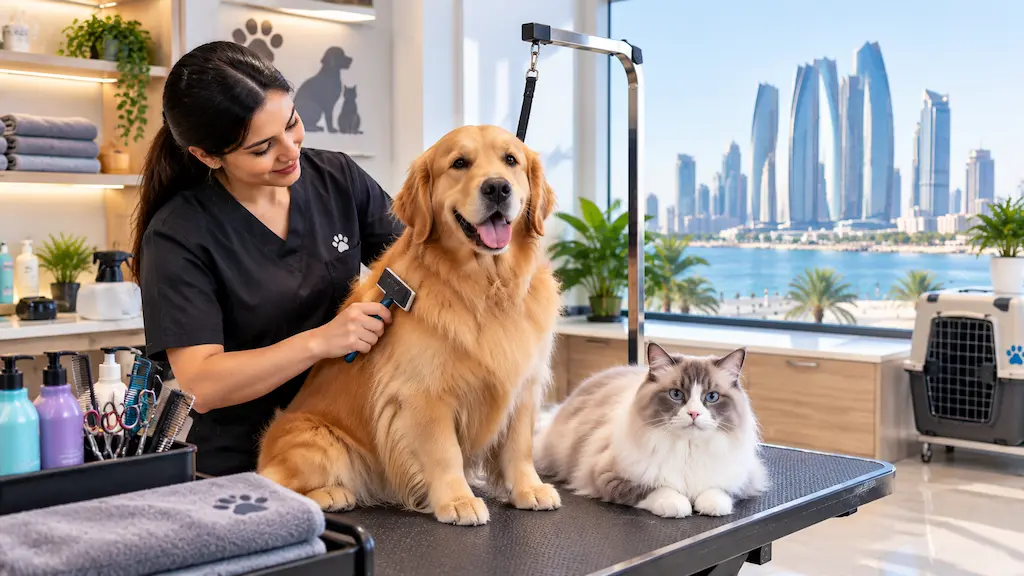
For routine claw maintenance, professional cat grooming services in Abu Dhabi can help owners who find nail trimming difficult.
However, grooming should never replace veterinary care for an embedded or injured claw.
Consider Mobile Grooming for Routine Maintenance
Some cats become stressed by travelling or visiting unfamiliar grooming environments.
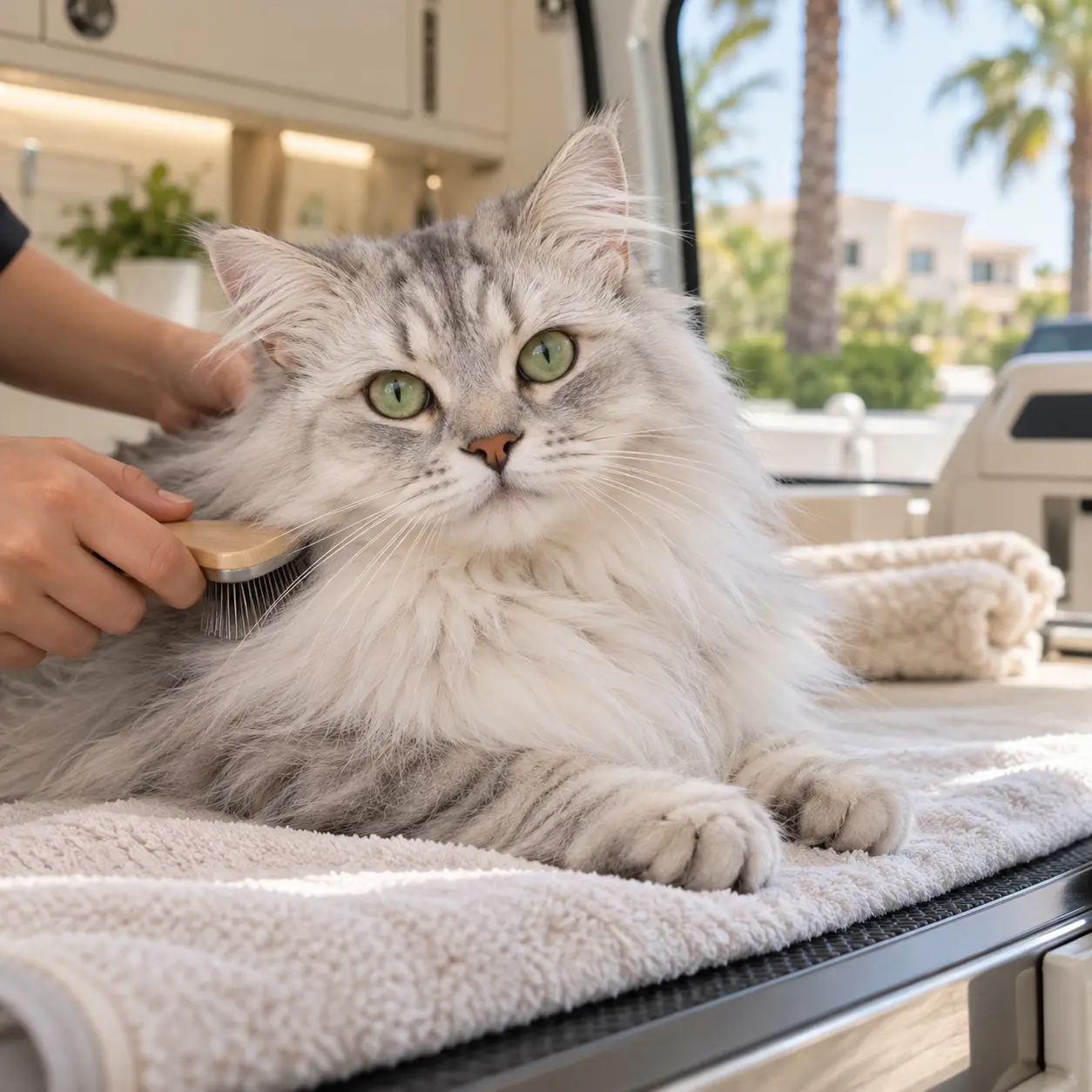
A professional mobile pet grooming service can help maintain healthy nails through routine trimming, where appropriate.
If your cat’s nail is already embedded, bleeding, infected, or painful, arrange veterinary care before booking grooming.
What Happens If an Ingrown Cat Nail Is Left Untreated?
An overgrown nail that hasn’t injured the skin can often be managed successfully with timely trimming.
However, an embedded nail may continue damaging the paw pad each time your cat walks.
Possible complications include:
- Increasing pain and limping
- Persistent puncture wounds
- Local infection
- Swelling and inflammation
- Damage to surrounding tissue
- More serious infection in neglected cases
The severity depends on the depth of the injury, the presence of infection, and how quickly treatment is provided.
An embedded nail is unlikely to resolve safely while it remains lodged in the paw pad.
Conclusion
A cat nail growing into its paw pad is more than a grooming inconvenience. Once a claw punctures the skin, it can cause pain, inflammation, and infection.
Regular nail checks can help you identify overgrown claws before they cause injury. Pay particular attention to dewclaws, older cats, and cats that aren’t scratching or moving as much as usual.
If your cat is limping, repeatedly licking a paw, or showing signs of discomfort, check its paws carefully without forcing it.
If a nail has already pierced the paw pad, contact a veterinarian rather than attempting to remove it at home.
For healthy cats, consistent nail trimming and routine grooming can help prevent the problem from returning.
Frequently Asked Questions
Can a cat nail growing into the paw pad heal on its own?
If the nail has pierced the paw pad, the wound is unlikely to heal properly while the claw remains embedded. Veterinary treatment is needed to free the nail and assess the injury.
Can I remove an embedded cat nail myself?
No. Pulling or cutting a nail embedded in the paw pad can cause further injury, pain, and bleeding. Have a veterinarian assess and treat it safely.
How do I know if my cat’s ingrown nail is infected?
Possible signs include increasing redness, warmth, swelling, yellow or green discharge, unpleasant odor, and worsening pain. A veterinarian should examine any suspected infection.
Is an ingrown cat nail an emergency?
An embedded claw needs prompt veterinary care. Heavy bleeding, severe pain, inability to bear weight, or signs of serious infection require urgent veterinary attention.
Why does my cat have one nail growing in a circle?
An excessively long claw may continue curving until it forms a hook or nearly circular shape. Dewclaws are particularly vulnerable. Have the nail checked before it enters the paw pad.
Can an old cat’s nails grow into its paw pads?
Yes. Senior cats may scratch less because of arthritis, reduced activity, or age-related changes. Their claws may become thick and overgrown, increasing the risk of ingrown nails.
How often should I trim my cat’s nails?
Many cats need their claws checked and trimmed every two to four weeks, but the ideal schedule depends on claw growth, activity, age, and individual needs.
Can a groomer treat an ingrown cat nail?
A professional groomer can assist with routine nail trimming and uncomplicated overgrown claws. A nail that has punctured the paw pad, caused bleeding, or become infected requires veterinary attention.
How can I prevent my cat’s nails from growing into its paw pads?
Check all claws regularly, trim them when necessary, provide suitable scratching surfaces, and monitor dewclaws closely. Senior and less active cats may need additional attention.