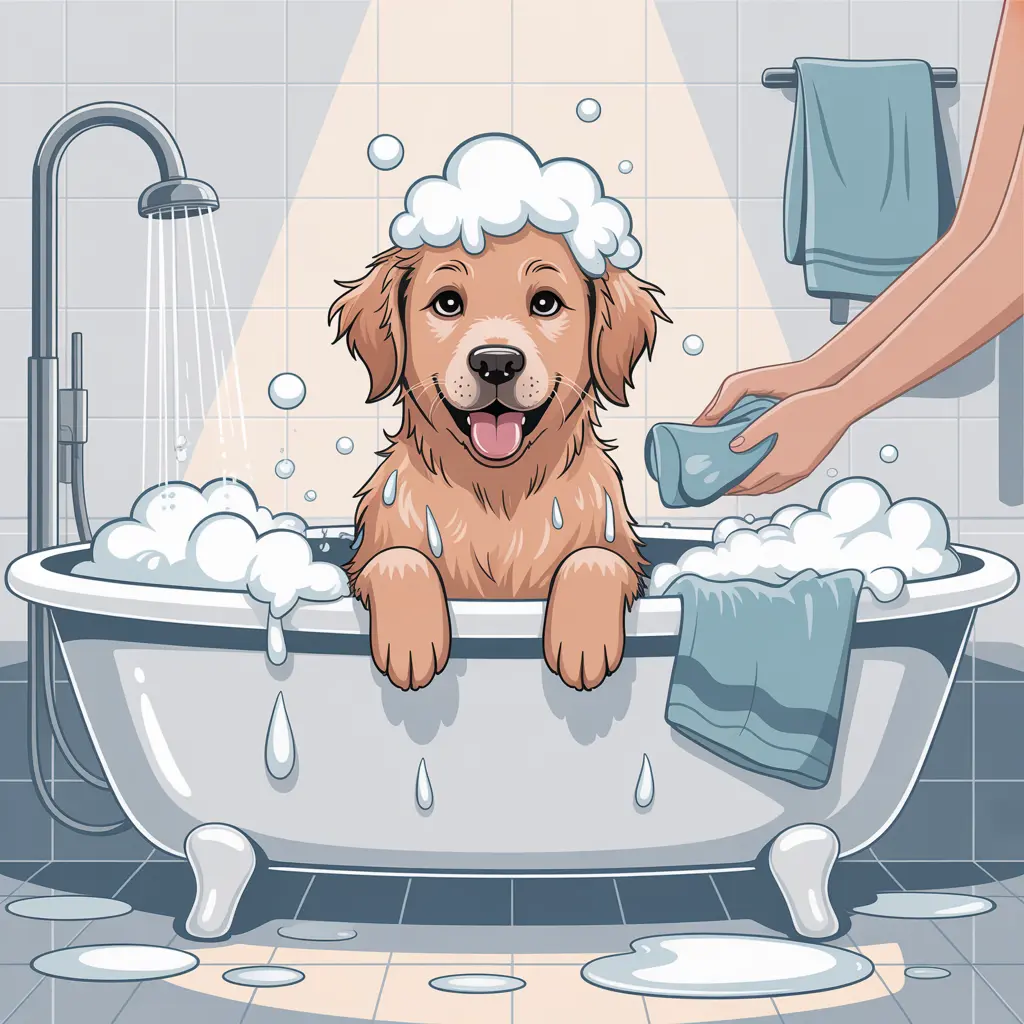
Bathing your furry friend may seem simple, but many pet parents unknowingly make mistakes that affect their pet’s comfort, skin health, and overall bathing experience. Understanding these mistakes pet parents make during bath time helps you keep your pet clean, happy, and stress-free. With the right techniques and a little expert insight from Pet Grooming Abu Dhabi, you can turn bath time into a positive bonding routine rather than a messy struggle.
Based on real experience and useful care tips, this beginner-friendly guide will help you master pet bath time.
1. Using the Wrong Shampoo for Your Pet
One of the biggest mistakes pet parents make during bath time is choosing the wrong shampoo. Your dog or cat’s skin is different from human skin and needs products formulated specifically for pets.
- Human shampoos can disturb your pet’s pH balance.
- Harsh or scented formulas may cause itching, dryness, or allergic reactions.
- Some ingredients can be toxic to pets.
How to Get It Right:
- Use pet-safe shampoos recommended by veterinarians.
- Choose formulas based on your pet’s needs: anti-shedding, medicated, hypoallergenic, or flea control.
- If unsure, ask your vet which shampoo suits your pet’s coat and skin type.
From my experience with my cat Lisa, I learned just how much the right shampoo matters, and the advice I received during cat grooming in Abu Dhabi really helped me understand which products work best for her skin and coat.
2. Bathing Too Frequently or Not Often Enough
Bathing frequency is often misunderstood. Many pet parents believe more baths equal better hygiene, but over-bathing can do more harm than good.
Signs You’re Bathing Too Often
- Dry, flaky skin
- Dull coat
- Excessive scratching
- Increased shedding
Signs You’re Not Bathing Enough
- Strong odor
- Greasy fur
- Dirt buildup
- Skin irritation
Ideal Bath Schedule
- Most dogs: Every 3 to 6 weeks
- Long-haired breeds: More frequent grooming
- Cats: Less often, unless they are elderly, overweight, or unable to groom themselves
Adjust the routine based on your pet’s lifestyle. Pets who go outdoors regularly may need more frequent baths.
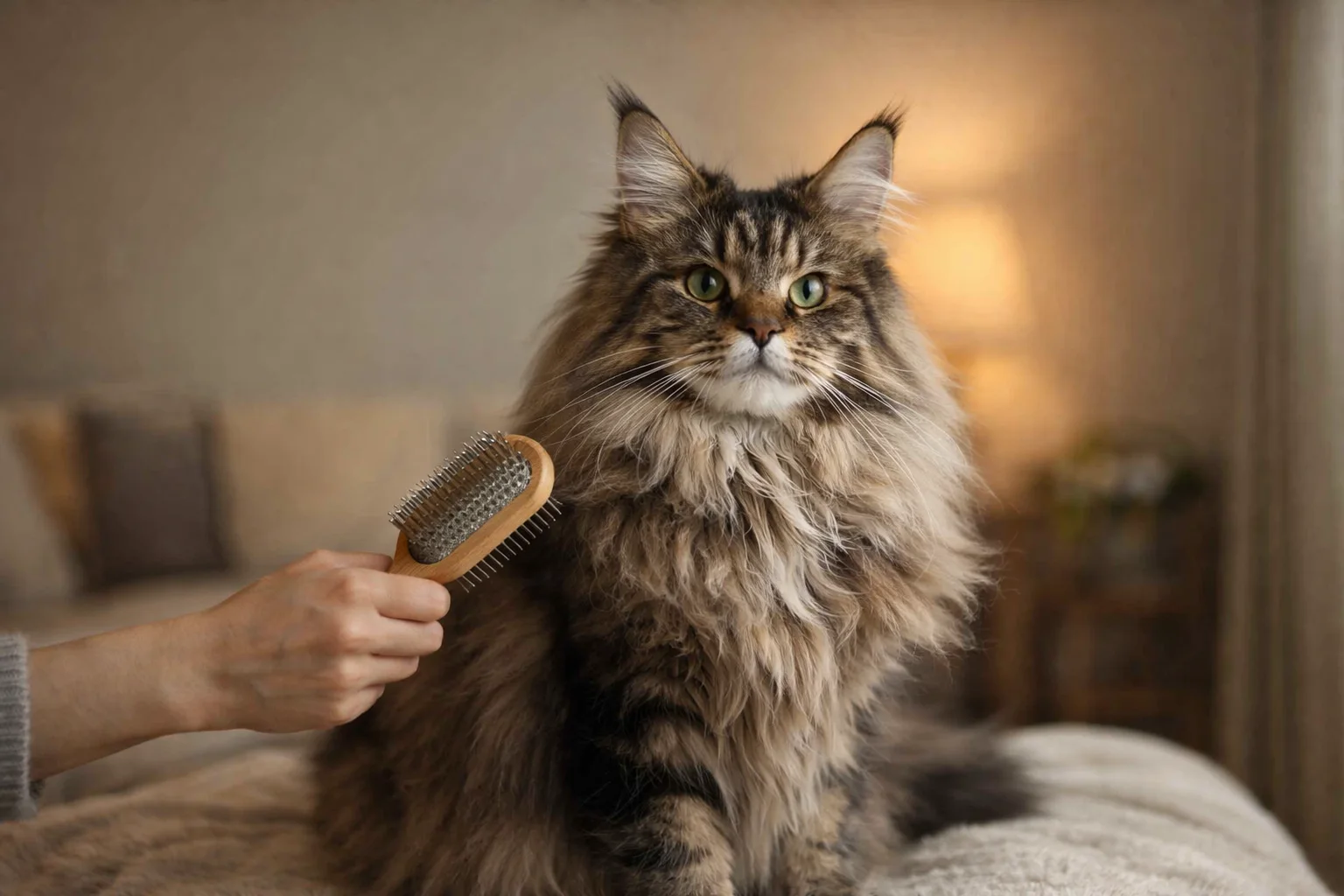
3. Not Brushing Before the Bath
Skipping the pre-bath brushing step is a common mistake that makes the whole process harder for both you and your pet.
Why Brushing First Is Essential
- Removes tangles and mats that worsen when wet
- Helps shampoo reach the skin evenly
- Reduces shedding during and after the bath
- Makes drying easier and faster
Quick Tips:
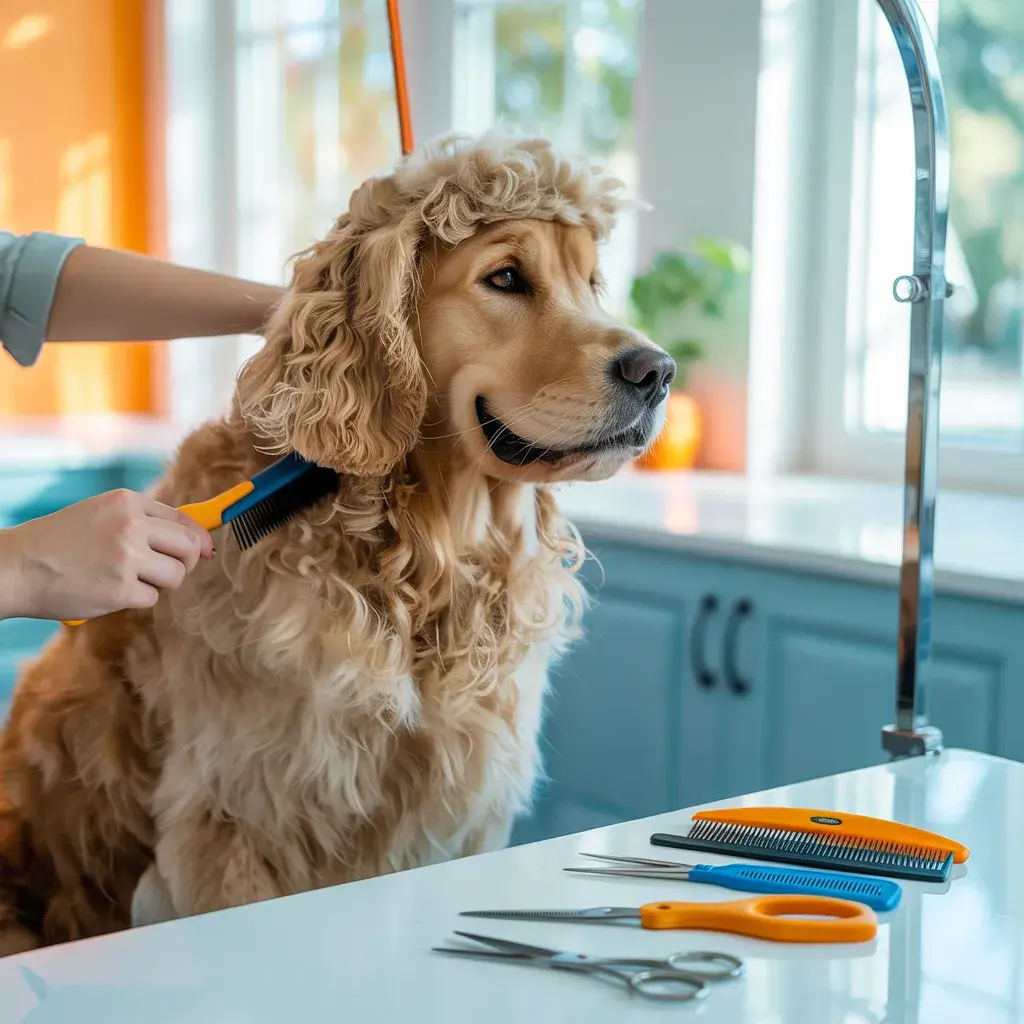
- Use a slicker brush for dogs with long coats
- Use a grooming glove for pets with short hair.
- Be gentle around sensitive areas.
4. Using Water That’s Too Hot or Too Cold
Water temperature plays a big role in how comfortable your pet feels during bath time. Extreme temperatures can make pets anxious or even cause skin irritation.
The Right Temperature
- Use lukewarm water comfortable enough for a baby’s bath.
- Check the water temperature on your wrist instead of your hand to ensure it’s comfortable for your pet.
- Keep the water flow gentle to avoid startling your pet.
5. Rushing the Drying Process
Proper drying is just as important as the bath itself. Many pet parents either leave their pets to air-dry or misuse dryers.
What Happens When Pets Don’t Dry Properly
- Wet fur traps bacteria and may cause skin infections.
- Damp coats cause discomfort and shivering.
- Mats and tangles form more easily in long coats
Best Drying Practices
- Use a clean towel to absorb moisture
- For thick coats, use a pet-safe blow dryer on low heat.
- Brush while drying to prevent tangles.
6. Making Bath Time Stressful
A stressful bath can make future grooming sessions difficult. Pets often react to their environment and your energy.
Common Stress-Triggering Mistakes
- Yelling or showing impatience
- Splashing water near the face
- Loud dryer noises
- Holding the pet too tightly
How to Keep Bath Time Calm
- Give treats to create positive associations
- Start slowly for nervous pets.
- Speak in a calm, soothing tone.
- Use non-slip mats to help them feel secure.
Conclusion
Avoiding these mistakes pet parents make during bath time can transform a stressful chore into an enjoyable bonding moment. By choosing the right products, maintaining a proper routine, brushing before bathing, and creating a calm environment, you ensure your pet stays healthy, comfortable, and happy. A little care and patience go a long way in making bath time a safe and pleasant experience for your furry companion, and understanding grooming for different breeds can help you tailor the routine to suit your pet’s unique coat needs.