
Every pet is unique, and so are their grooming needs. Just like humans, dogs and cats require personalized care based on their hair type, breed, and lifestyle. Understanding how to groom short-haired and long-haired pets differently ensures they stay healthy, comfortable, and happy. In this guide, we’ll explore breed-specific grooming tips, tools, and routines for short and long-haired pets.
Why Grooming Is Important for Every Pet
Grooming isn’t just about keeping your pet looking good; it’s crucial for their overall health. Regular grooming:
- Reduces shedding and keeps your home cleaner
- Prevents matting and painful tangles
- Helps detect skin issues, lumps, or parasites early
- Supports healthy coat and skin
- Enhances bonding between you and your pet
This is why regular sessions with a professional pet grooming Abu Dhabi specialist are an investment in your pet’s long-term well-being.
Grooming Short-Haired Pets
Short-haired pets, like Beagles, Boxers, or Shorthair cats, have sleek coats that don’t require frequent trimming. However, they still benefit from consistent grooming.
Tips for Short-Haired Pets:
- Brushing: Once or twice a week with a soft-bristle brush or grooming glove removes loose hair and distributes natural oils.
- Bathing: Short-haired pets generally need fewer baths, about once every 6, 8 weeks, unless they get dirty.
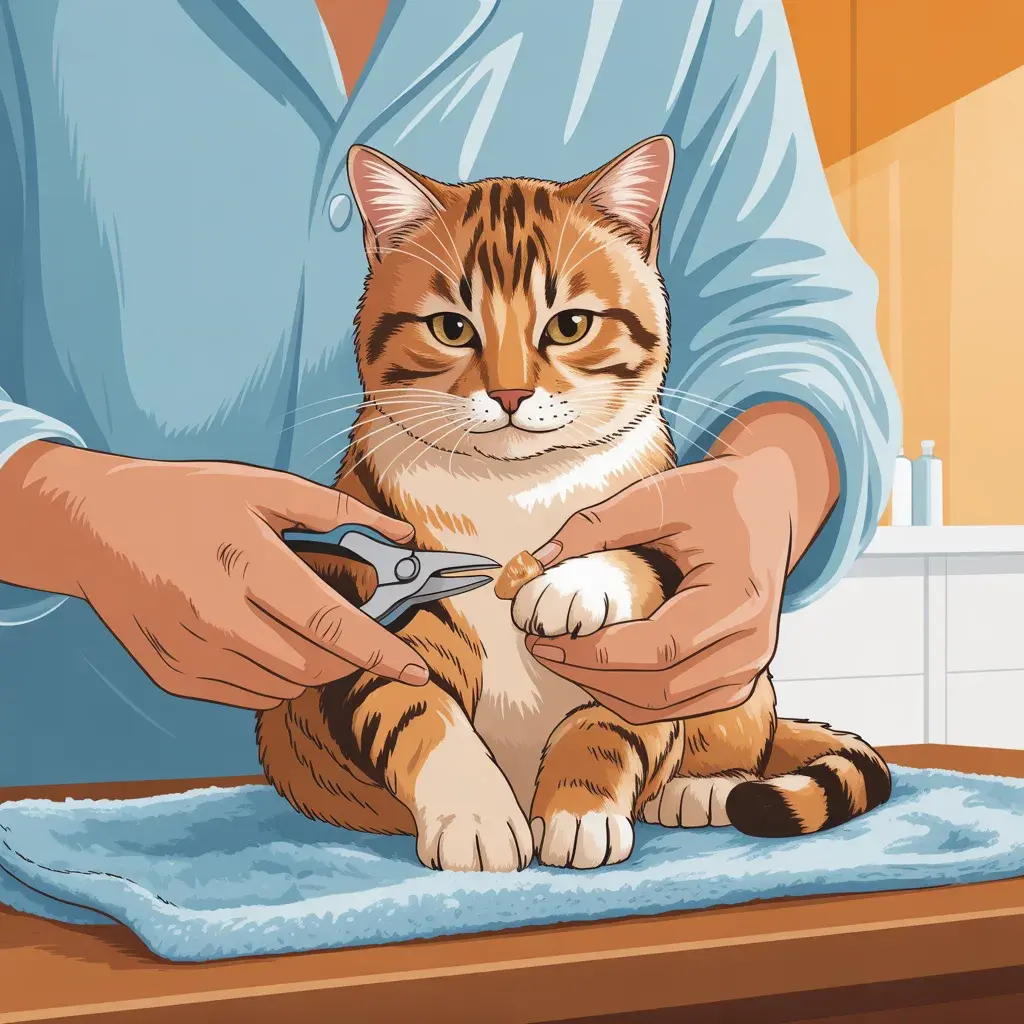
- Nail Care: Trim nails every 3, 4 weeks to prevent discomfort or injury.
- Ear Cleaning: Check ears weekly to avoid wax buildup or infections.
- Dental Care: Brush teeth regularly or provide dental treats for oral health.
Why it matters: Even though their coat is short, neglecting grooming can cause skin irritation, shedding problems, and bad odor. To ensure your shorthair cat’s comfort and health, consider a session with a professional cat grooming Abu Dhabi expert.
Grooming Long-Haired Pets
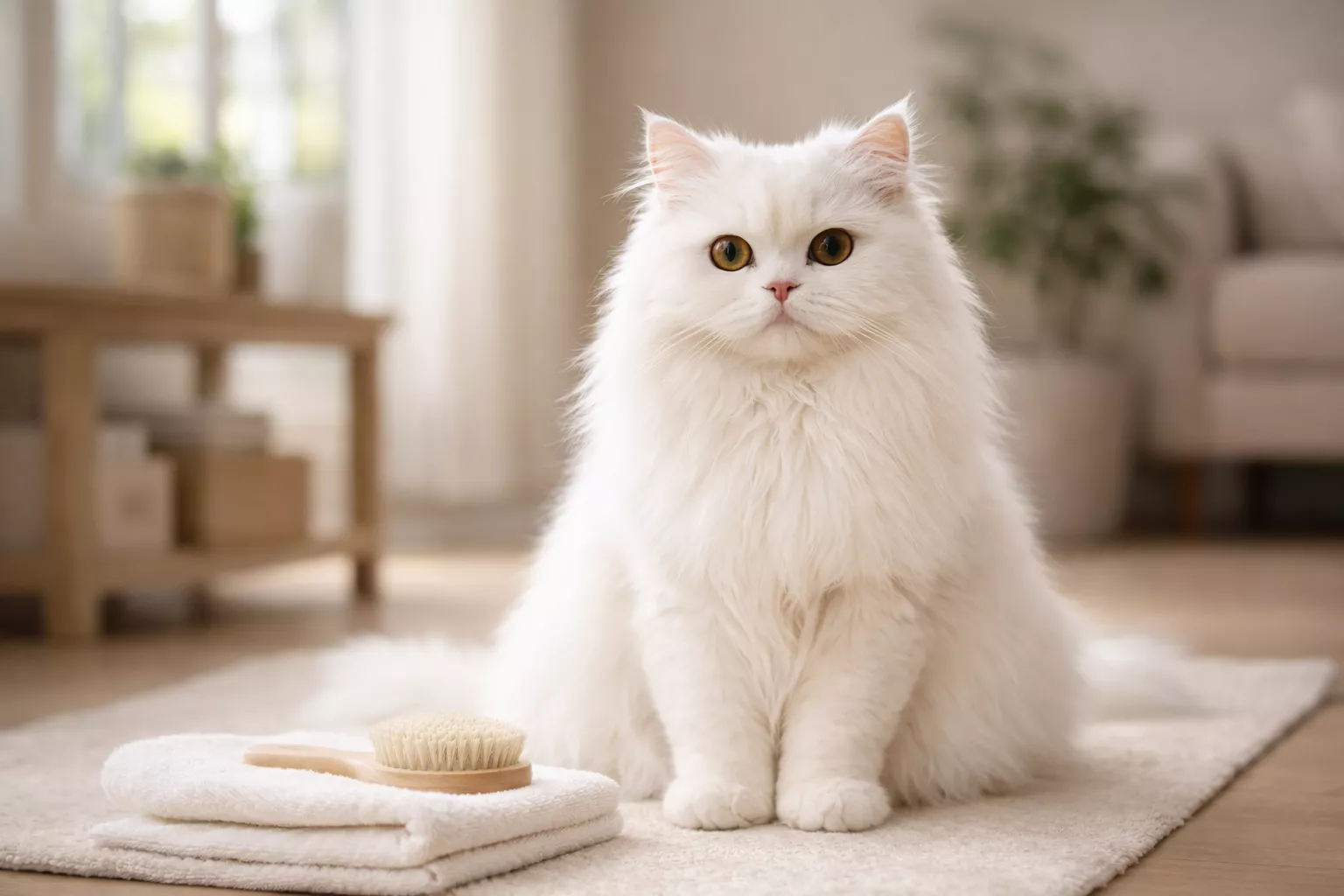
Long-haired pets, such as Persian cats, Shih Tzus, or Afghan Hounds, require a more intensive grooming routine. Their coats are prone to tangles, mats, and debris accumulation.
Tips for Long-Haired Pets:
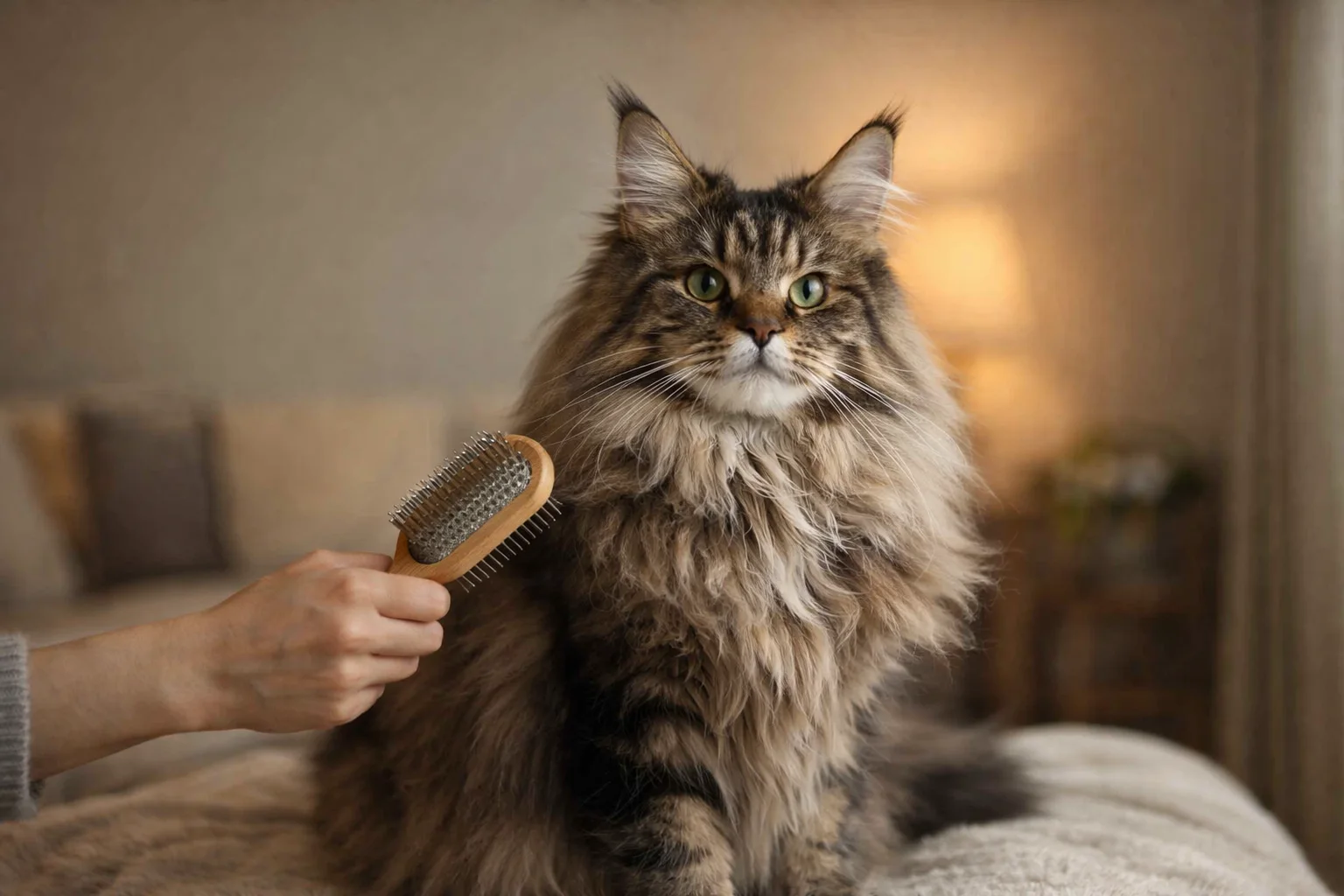
- Brushing: Daily brushing is essential to prevent mats and tangles. Use a slicker brush or comb suitable for long fur.
- Bathing: Long-haired pets need regular baths (every 4, 6 weeks) to maintain a clean, healthy coat.
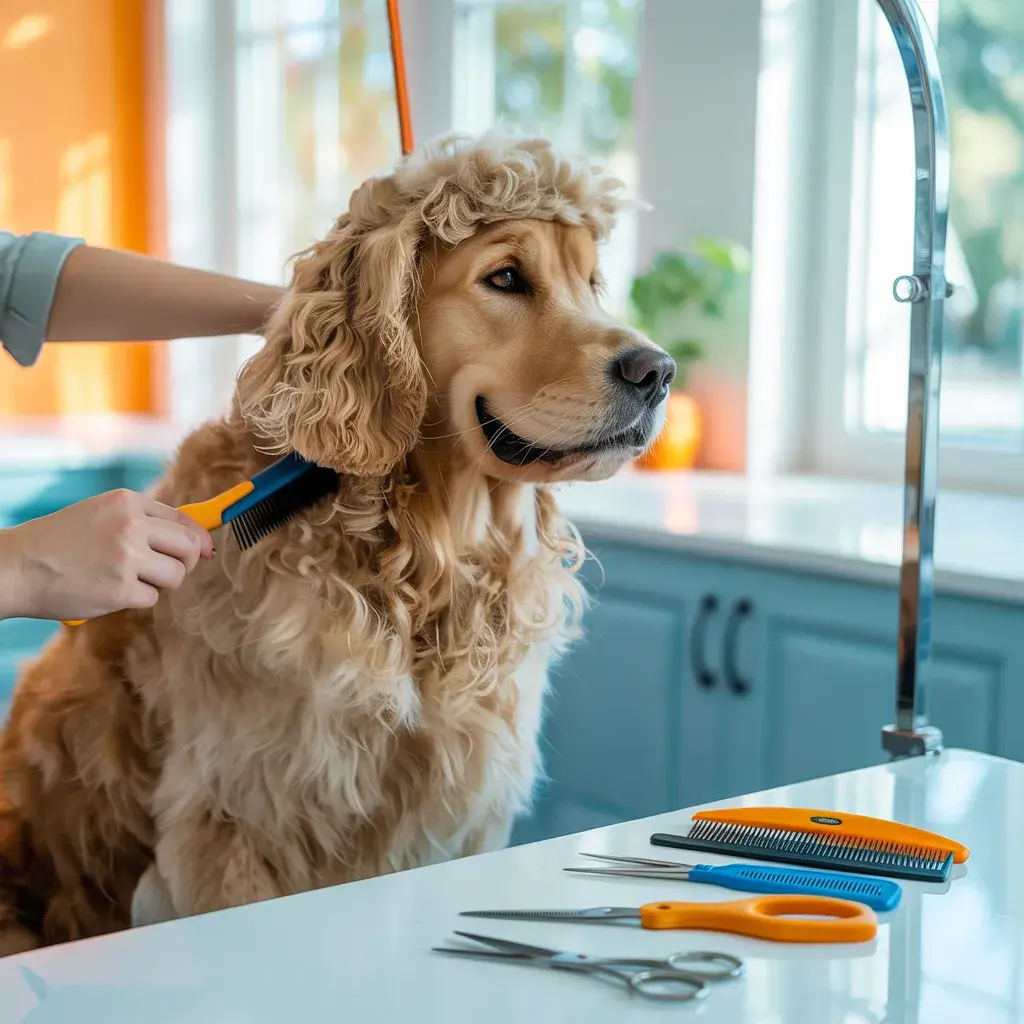
- Trimming: Regular trimming, especially around the eyes, paws, and sanitary areas, keeps your pet comfortable.
- Mat Removal: Use detangling sprays or professional grooming services for severe mats.
- Ear & Nail Care: Similar to short-haired pets, maintain ear hygiene and nail trimming.
Why it matters: Long-haired pets are more susceptible to overheating, infections, and skin irritations if grooming is inconsistent.
Tools Every Pet Owner Should Have
Proper tools make grooming more effective and enjoyable for both you and your pet:
- Slicker brush and comb for long hair
- Soft-bristle brush for short hair
- Nail clippers and a grinder
- Pet-friendly shampoo and conditioner
- Detangling sprays or mats remover
- Ear cleaner and cotton balls
Tips for Stress-Free Grooming
- Start grooming early to make it a positive experience.
- Use treats and praise to encourage cooperation.
- Take breaks if your pet becomes anxious.
- Consider professional grooming for breeds with complex grooming needs.
Conclusion
Mastering how to properly groom short-haired and long-haired pets is a fundamental part of responsible, loving pet ownership. Every pet deserves grooming that suits their breed and coat type. Short-haired pets need regular but less frequent attention, while long-haired pets require daily care to stay healthy and happy. By following a customized grooming routine, as outlined in the Guide to Grooming Your Dog, you ensure your pet not only looks their best but also enjoys better overall health and well-being.
Investing time in your pet’s grooming routine strengthens your bond and gives them a more comfortable, joyful life.