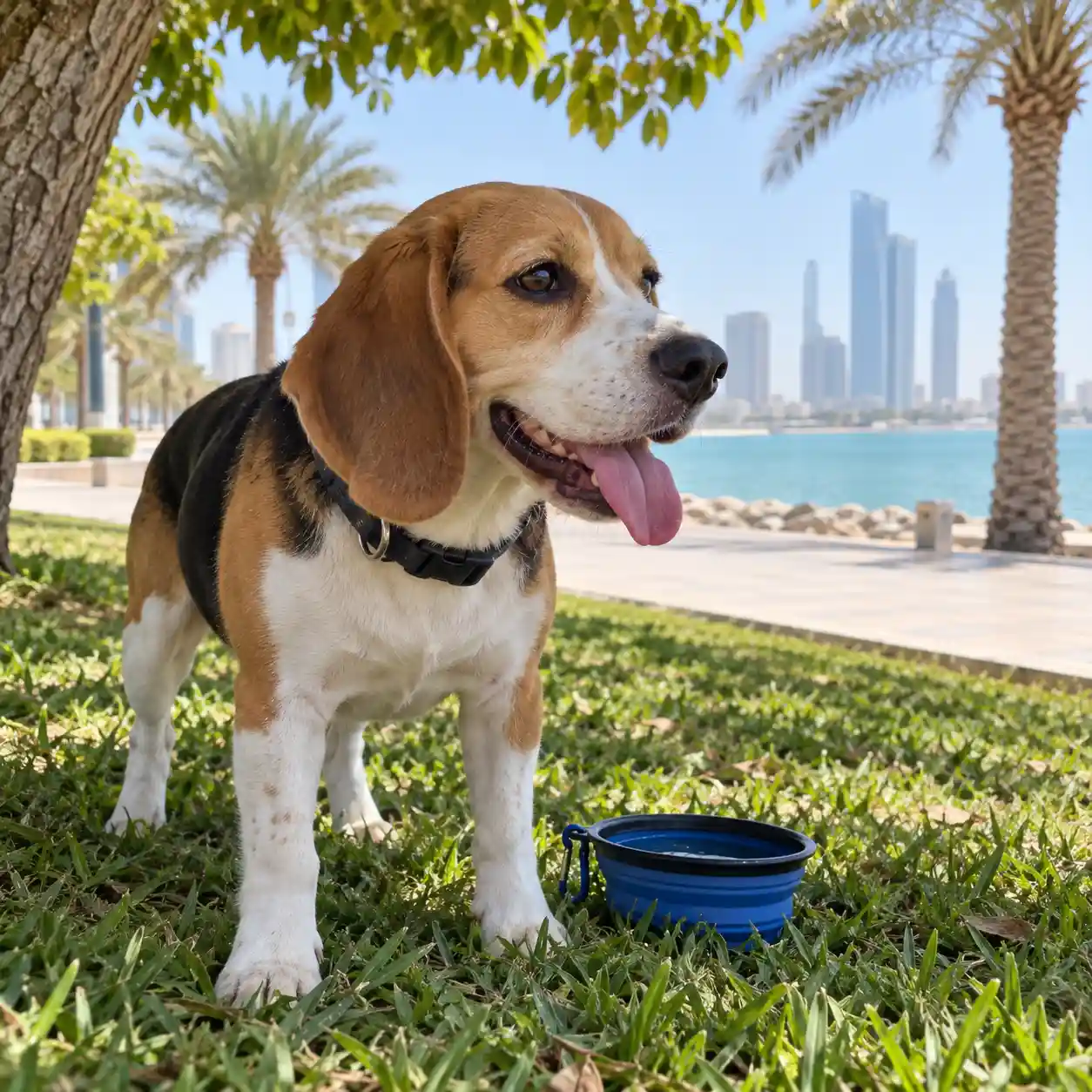

When I first noticed a small red bulge in the corner of my dog’s eye, I honestly panicked. I thought it was an infection or maybe something far more serious. After a visit to our veterinarian and a lot of learning, along with advice I later reinforced during a routine Pet Grooming in Abu Dhabi visit, I discovered it was cherry eye in dogs, a common but often misunderstood condition.
In this guide, I’m sharing both my personal experience and expert-backed information to help you understand, recognize, and manage cherry eye with confidence.
What Is Cherry Eye in Dogs?
Cherry eye in dogs occurs when the third eyelid gland slips out of its normal position and becomes visible. It appears as a red or pink mass in the inner corner of the eye, resembling a cherry, hence the name.
From my vet’s explanation, this gland is responsible for producing a significant portion of your dog’s tears. When it prolapses, it can no longer function properly, which may lead to dry eye.
Common Breeds Prone to Cherry Eye
Some dogs are more genetically predisposed, including:
- Bulldogs.
- Cocker Spaniels.
- Beagles.
- Shih Tzus.
- Lhasa Apsos.
That insight helped me realize it wasn’t something I “missed”; it was largely hereditary.
Symptoms and Early Warning Signs
One thing I learned quickly is that early detection matters. These are the most common signs of cherry eye in dogs:
- Red or pink bulge in the eye.
- Eye irritation or redness.
- Excessive tearing.
- Pawing or rubbing the eye.
- Mild discharge.
In my dog’s case, there was no pain at first, which made it easy to overlook. But ignoring it can make the condition worse over time.
Causes of Cherry Eye in Dogs
Veterinary experts agree that the exact cause isn’t always clear, but the most common factors include:
- Weak connective tissue holding the gland in place.
- Genetic predisposition.
- Eye trauma or excessive rubbing.
According to my vet, cherry eye is rarely caused by infection, a fact I also learned while researching dog grooming in Abu Dhabi, which is a common misconception among dog owners.
Cherry Eye Treatment Options: What Actually Works
This was the part I cared about most: how to fix it safely.
Non-Surgical Treatment
In mild or early cases, vets may recommend:
- Lubricating eye drops.
- Anti-inflammatory medications.
- Gentle massage (only under vet guidance).
I tried medication initially, but it didn’t permanently resolve the issue.
Surgical Treatment
Surgery is often the most effective and permanent solution for cherry eye in dogs. Importantly, modern veterinary practice focuses on repositioning the gland, not removing it.
Benefits of surgery include:
- Preserves natural tear production.
- Prevents chronic dry eye.
- Reduces long-term complications.
My dog underwent surgery, and the recovery was smooth with proper aftercare.
Recovery and Aftercare Tips From My Experience
Post-surgery care plays a huge role in success. Here’s what helped us:
- Use an Elizabethan collar to prevent rubbing.
- Administer prescribed eye drops consistently.
- Keep the eye clean and dry.
- Attend follow-up vet visits.
Within two weeks, my dog’s eye looked completely normal again.
Can Cherry Eye Be Prevented?
While cherry eye isn’t always preventable, you can reduce risks by:
- Avoid rough play that may injure the eyes.
- Keeping eyes clean and moisturized.
- Scheduling regular veterinary checkups.
Early intervention is key to protecting your dog’s vision and comfort.
Final Thoughts: Trust Your Vet and Act Early
Dealing with cherry eye in dogs can feel overwhelming, especially the first time you see it. From my experience and veterinary guidance, I’ve learned that it’s a manageable condition when treated properly. Trust a qualified veterinarian, avoid home remedies, and don’t delay care just like I learned some helpful tips on how often a dog should be groomed.
Your dog depends on you to notice changes and act quickly, and with the right treatment, cherry eye doesn’t have to affect their quality of life.