If you’ve ever had your cat climb into your lap, start purring, and rhythmically press its paws against you, you’ve experienced kneading. Some owners call it “making biscuits” because of the dough-like motion. But many still wonder: why do cats knead their owners?
This behavior is deeply instinctual, comforting for cats, and a strong sign of trust and affection. Let’s explore the reasons behind kneading and what it really means for your bond with your feline friend.
What Is Kneading in Cats?
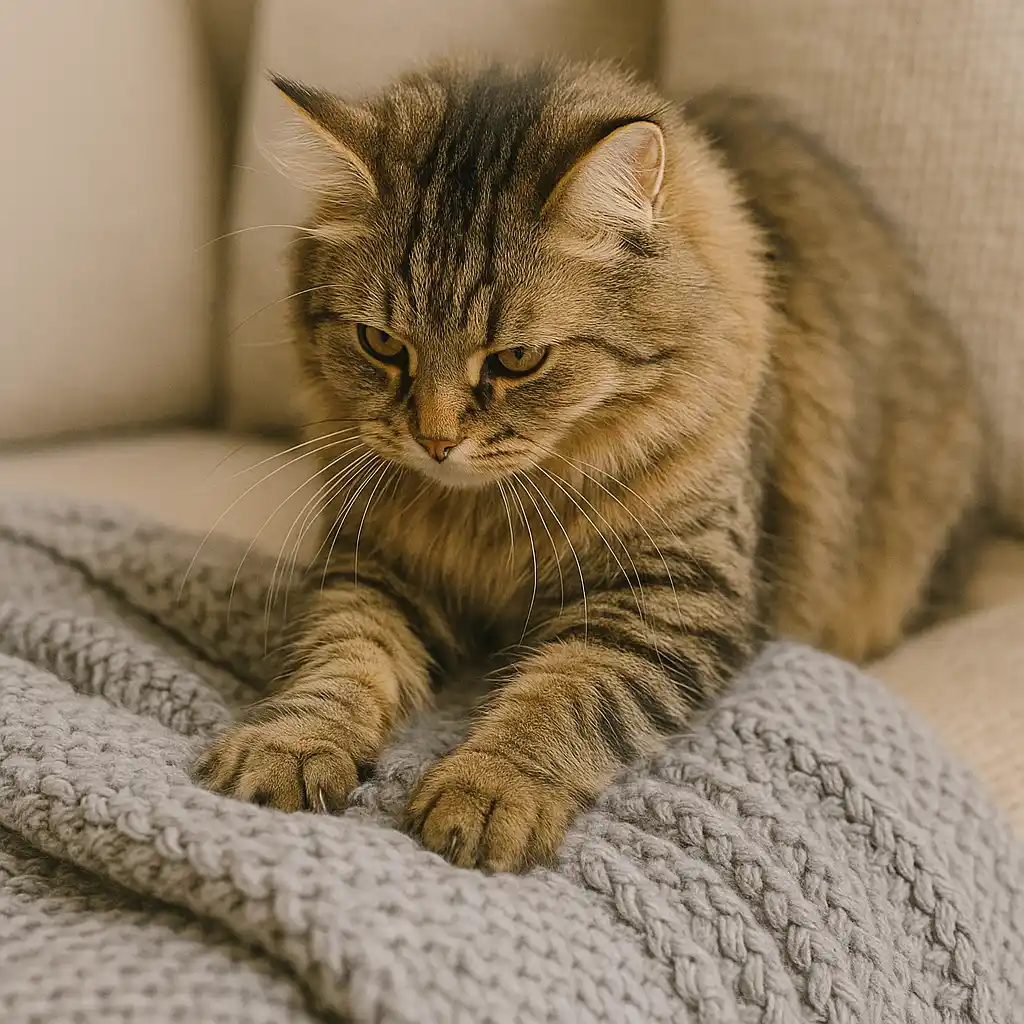
Kneading is when cats press their paws alternately against a soft surface — a blanket, pillow, or your lap. Often paired with purring or drooling, kneading signals relaxation and contentment.
Instinctual Roots of Kneading
1. Nursing Behavior
As kittens, cats knead their mother’s belly to stimulate milk flow. This instinct often carries into adulthood, resurfacing when they feel safe and comfortable.
2. Territory Marking
Cats have scent glands in their paws. By kneading, they release pheromones that mark you as part of their territory.
3. Nesting Instinct
Wild cats knead grass or leaves to create soft resting spots. Domestic cats retain this behavior as part of their natural instincts.
Emotional Reasons Cats Knead
Beyond instinct, kneading often reflects emotional well-being.
- Comfort and relaxation: Cats knead when they feel happy, calm, and secure.
- Bonding with owners: Kneading on your lap is your cat’s way of showing love and trust.
- Self-soothing: Much like a human fidgeting when relaxed, kneading helps cats manage stress.
Kneading is one way of understanding your cat’s body language, showing how they communicate comfort and affection.
Why Cats Knead Their Owners
Cats often knead their owners instead of blankets because of warmth, familiarity, and scent. Your lap provides the perfect mix of comfort and bonding, making it their preferred place to express this behavior.
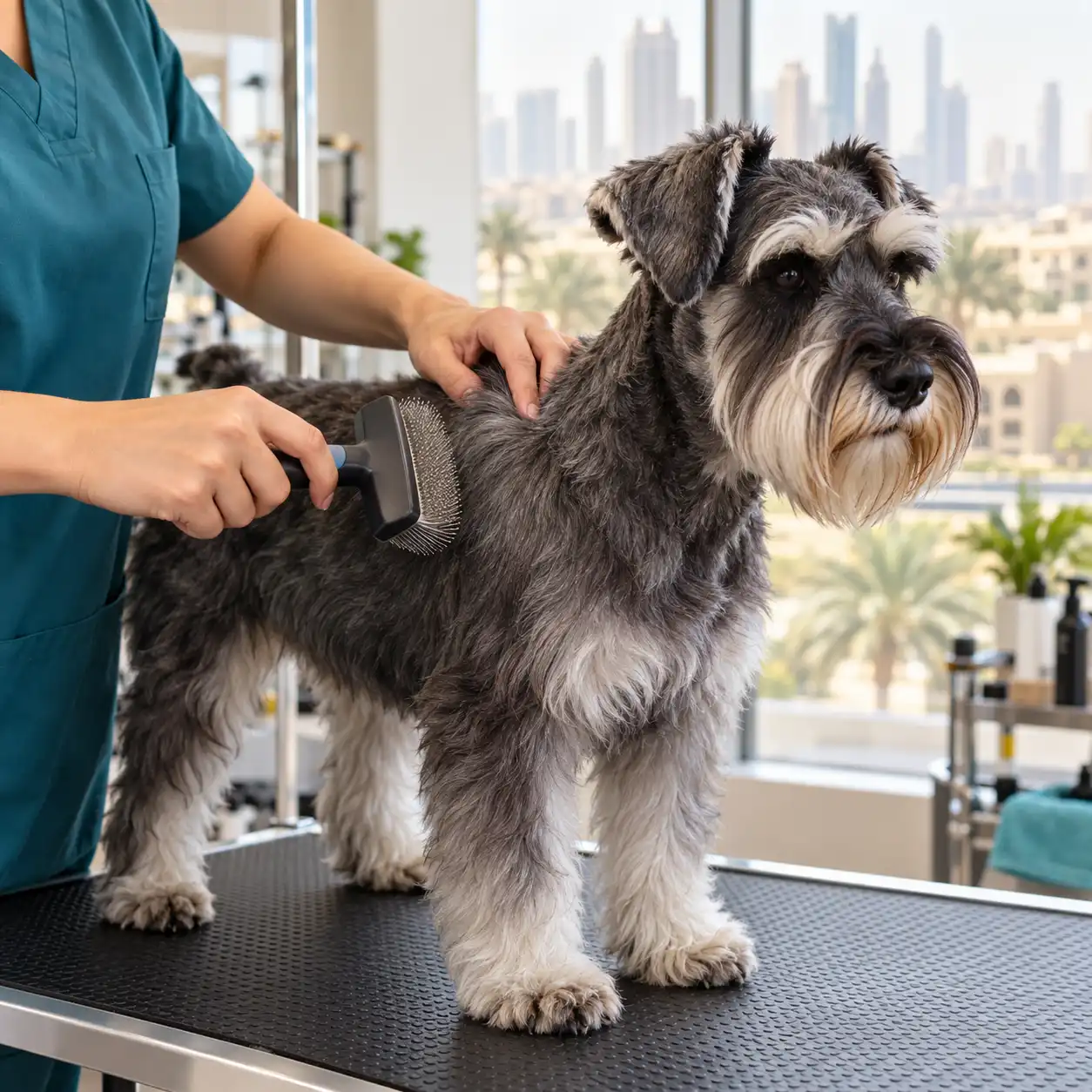
Professional groomers also highlight that cats show affection during grooming sessions too. Services such as mobile grooming Abu Dhabi can make these routines easier, as cats feel safer and more relaxed in their home environment.
When Kneading Hurts: Managing Sharp Claws
As endearing as kneading is, sharp claws can sometimes make it painful. Instead of discouraging the behavior:
- Interesting Facts About KneadingKeep claws trimmed regularly.
- Place a soft blanket on your lap during cuddle time.
- Redirect your cat to a pillow or cushion if needed.
Kneading is an instinctive habit — gentle management keeps it positive for both of you.
Interesting Facts About Kneading
- Not all cats knead, but those that do often keep the habit for life.
- Kneading is not gender-specific — both male and female cats do it.
- Cats may drool, purr, or even close their eyes in bliss while kneading.
These behaviors all indicate deep comfort and satisfaction.
Is Kneading Ever a Concern?
In most cases, kneading is perfectly normal. But if your cat kneads obsessively while showing signs of stress or agitation, it may indicate anxiety. In such cases, consult your veterinarian for advice.
Professional cat grooming Abu Dhabi services often observe that anxious cats display different grooming and kneading patterns, making professional care another opportunity to notice health or stress issues early.
Encouraging Healthy Kneading
If you want to encourage kneading without damage:
- Provide soft blankets or dedicated cushions.
- Create cozy resting spots around the home.
- Reward calm behavior with petting or treats.
This keeps kneading safe and enjoyable while preventing claw damage to your furniture or skin.
Kneading, Grooming, and Bonding
Kneading often goes hand in hand with other bonding behaviors, such as grooming. When your cat grooms you, it’s marking you as family and showing affection. Similarly, kneading is a display of trust.
Professional pet grooming Abu Dhabi services stress that grooming, nail care, and coat maintenance not only improve your cat’s health but also strengthen the bond you share. Kneading before or after grooming sessions is another sign of your cat feeling secure.
Conclusion
So, why do cats knead their owners? The reasons are both instinctual and emotional from kittenhood nursing habits to comfort, bonding, and marking territory. When your cat kneads you, it’s not just a quirky habit it’s a heartfelt sign of affection and trust.
By trimming claws, providing soft spaces, and encouraging positive grooming routines or even opting for professional pet grooming Abu Dhabi services you can make kneading enjoyable and safe. Whether through kneading, grooming, or playful interaction, your cat is constantly showing you love.
Understanding and appreciating these behaviors deepens your connection and makes life with your feline companion even more rewarding.